Samsung Heavy Industries (SHI) is reinforcing its global operations strategy by focusing advanced shipbuilding technology at its Geoje Shipyard while expanding overseas construction capacity for standard vessel types such as crude oil tankers.
On October 23, the company announced a contract with a Liberian shipowner for three crude oil tankers valued at KRW 341.1 billion (approximately USD 237 million). This brings SHI’s cumulative orders for 2025 to around USD 5.2 billion.
SHI’s annual shipbuilding target stands at USD 5.8 billion for merchant ships and USD 4 billion for offshore facilities, totaling USD 9.8 billion. As of late October, the company has achieved about 78% of its merchant ship target and secured approximately USD 700 million in pre-engineering work for upcoming offshore projects.
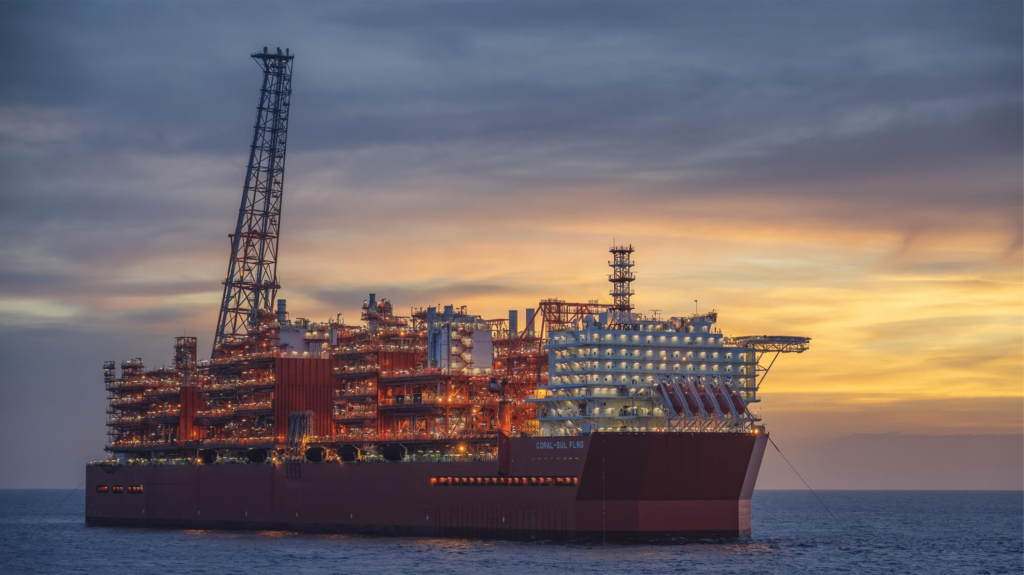
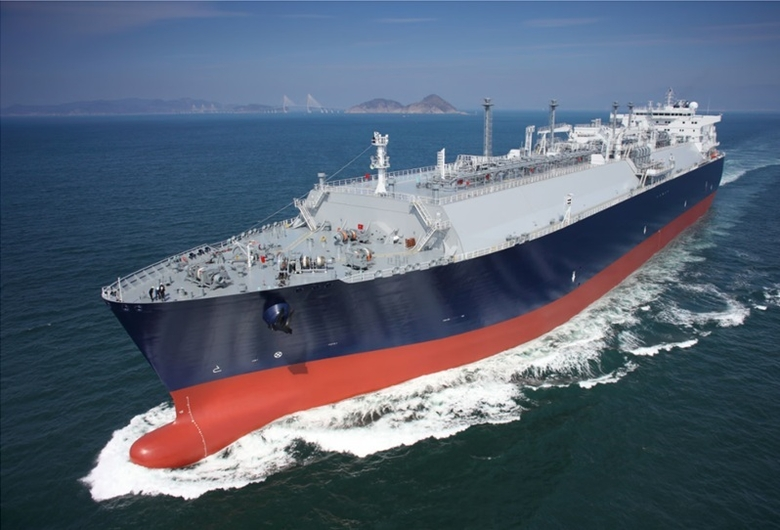
The newly awarded crude oil tankers will be built at a Vietnamese shipyard, reflecting Samsung Heavy Industries’ commitment to broadening its global production base. Under this distributed model, Geoje Shipyard will serve as a technology and R&D hub dedicated to high-value vessels — including LNG carriers, eco-friendly container ships, and FLNG facilities — while standard ships such as crude carriers will be partially built in collaboration with partner yards in China, Southeast Asia, and Korea.
This “global operation” structure allows SHI to handle design, core engineering, and key equipment procurement in-house while outsourcing hull construction to qualified regional shipyards. The approach enhances cost efficiency, secures flexible capacity, and diversifies production risks amid fluctuating global demand.
In recent months, Samsung Heavy Industries has also been expanding international partnerships. In September 2025, the company signed a memorandum of understanding with Swan Defence & Heavy Industries in India to explore collaborative shipbuilding projects. Earlier, in August, SHI entered into a strategic cooperation framework with Vigor Marine Group (VMG) of the United States to jointly pursue maintenance, repair, and overhaul (MRO) business opportunities — correcting previous reports that misidentified the U.S. partner.
Samsung Heavy Industries’ collaborative model is already in operation. The company’s previously ordered Dynacom Tankers’ four crude carriers are under construction at PaxOcean Zhoushan Shipyard in China. Another set of vessels ordered by Centrofin is being built under SHI’s supervision, though their exact construction site has not been publicly confirmed.
Meanwhile, two crude carriers ordered in September by Greece’s New Shipping are scheduled for construction at Korean yards, according to industry sources. SHI stated that such cooperative arrangements are designed to strengthen ties with small and mid-sized domestic shipyards, promoting shared growth while maintaining global competitiveness.
By positioning Geoje Shipyard as a technology hub and managing a network of partner yards abroad, Samsung Heavy Industries aims to build a more flexible, resilient, and innovation-driven production ecosystem. This dual structure enables SHI to maintain leadership in LNG carriers and FLNG technologies, while efficiently managing standard vessel demand through global collaboration.
Samsung Heavy Industries commented that it will continue expanding global cooperation networks encompassing shipbuilding, maintenance, and engineering to ensure sustainable long-term growth in a rapidly evolving market.