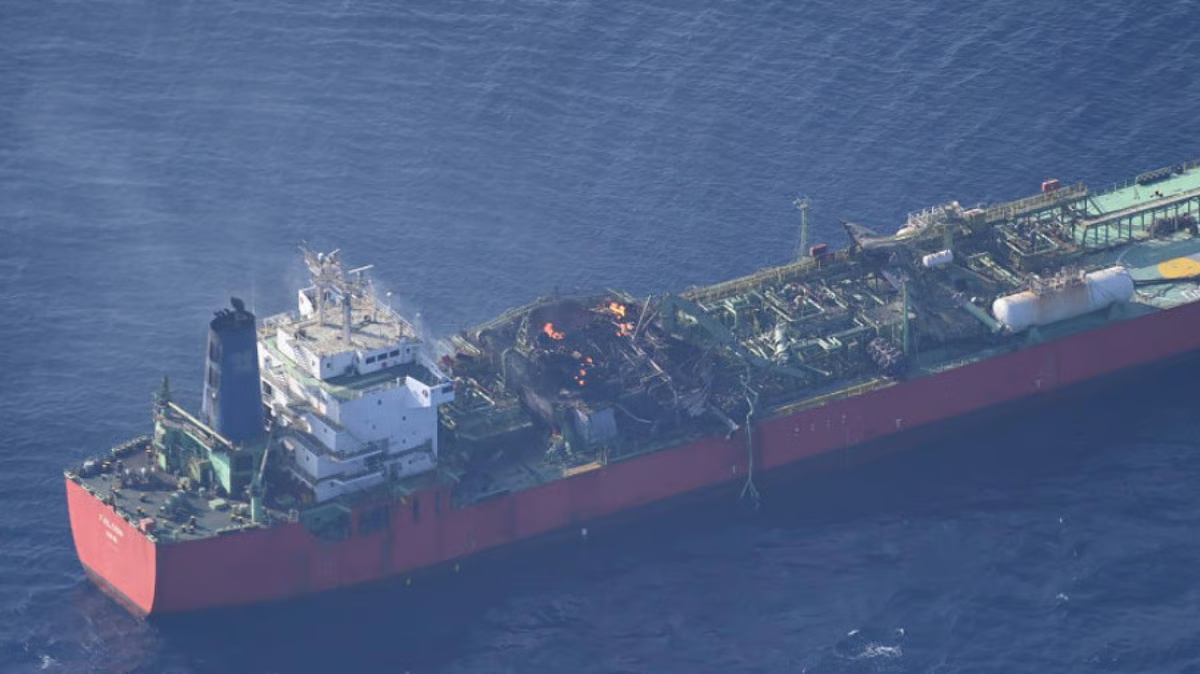
A salvage and firefighting operation is still in progress for the Cameroon-flagged LPG tanker Falcon, which remains partially ablaze and adrift in the Gulf of Aden following an explosion on October 18, according to maritime security officials and the EU naval mission Aspides.
The blast occurred around 07:00 GMT as the vessel, fully laden with liquefied petroleum gas (LPG), was sailing off Yemen’s southern coast. The explosion forced the 26-member crew to abandon ship. Nearby merchant vessels rescued 24 crew members, who have been transferred safely to Djibouti. Reports differ on the remaining two — some sources list them as missing, while others say they have died, pending official confirmation from Aspides.
A private salvage company, under coordination with naval forces, has been contracted to manage the operation. A firefighting support vessel remains alongside the Falcon, working to extinguish remaining fires and stabilize the vessel. Officials warn that the ship continues to pose a navigational hazard in one of the world’s busiest trade corridors.
The tanker was en route from Sohar Port in Oman to Djibouti when the explosion occurred. The cause of the blast is still under investigation. Early assessments by Aspides suggest the incident was likely accidental and related to the LPG cargo, rather than a result of any external attack.
Yemen’s Houthi movement has denied involvement, according to the group’s statement via the Saba news agency. The claim follows widespread speculation given the Houthis’ repeated missile and drone attacks on commercial shipping in the Red Sea and Gulf of Aden since 2023, acts the group describes as solidarity measures with Palestinians amid the war in Gaza.
The EUNAVFOR Aspides mission has issued navigation warnings, urging all vessels transiting the area to exercise maximum caution until the Falcon is secured or towed to safety.