The Royal Navy has monitored a Russian corvette and tanker moving through the English Channel, an operation the Ministry of Defence (MoD) confirmed as part of a rise in Moscow’s naval presence around the United Kingdom.
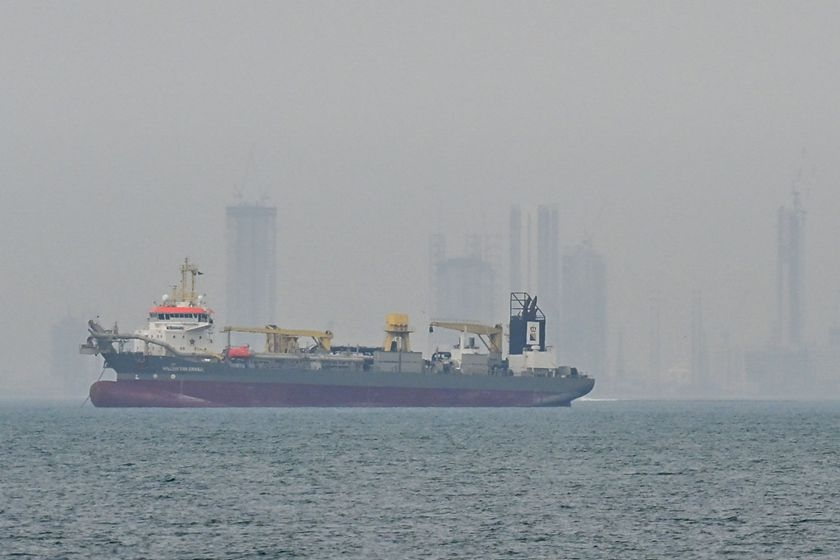
HMS Severn, assigned to patrol duties, kept close watch on the corvette Stoikiy and the tanker Yelnya as both ships moved west through the Dover Strait and into the Channel over the past two weeks. After initiating the interception, Severn passed the tracking duties to a NATO unit operating off the coast of Brittany in north-west France. The British vessel continued to observe from a distance and remained ready to intervene if required.
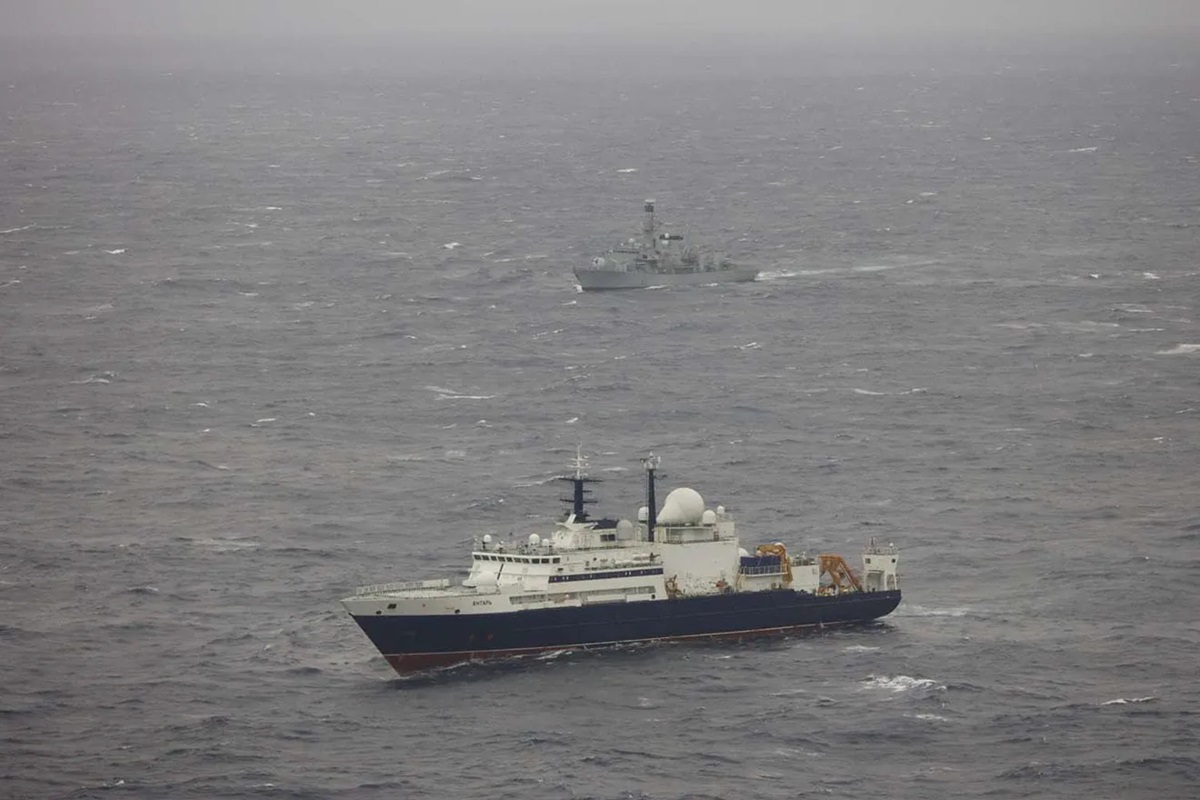
The encounter followed a separate episode involving the Russian intelligence-gathering ship Yantar, recently sighted near Scotland. Officials stated that Yantar directed lasers at RAF aircrew monitoring its movement. Defence Secretary John Healey called the action “deeply dangerous” and cautioned Russia and President Vladimir Putin that the UK was fully aware of regional activity and prepared to respond when necessary.
According to the MoD, Russian operations near UK waters have increased by 30% over the last two years.
Stoikiy has previously passed through the same area. In May, two Royal Navy vessels and the 814 Naval Air Squadron, known as the “flying tigers”, followed the corvette as it travelled west to link with the merchant ships Sparta IV and General Skobelev. Those ships were returning from the Mediterranean before heading back toward the Baltic Sea, where HMS Hurworth continued surveillance.
In parallel with its Channel presence, the UK has deployed three Poseidon surveillance aircraft to Iceland as part of a NATO mission to monitor Russian naval activity in the North Atlantic and Arctic.
The Russian Embassy in London rejected the UK’s concerns last week, accusing the British government of fuelling “militaristic hysteria” and insisting that Moscow had no intention of challenging UK security.
Healey’s comments on rising Russian activity came ahead of the government’s forthcoming budget, where he has been advocating for increased defence spending, even as ministers weigh tax measures and broader cuts to address financial pressures.