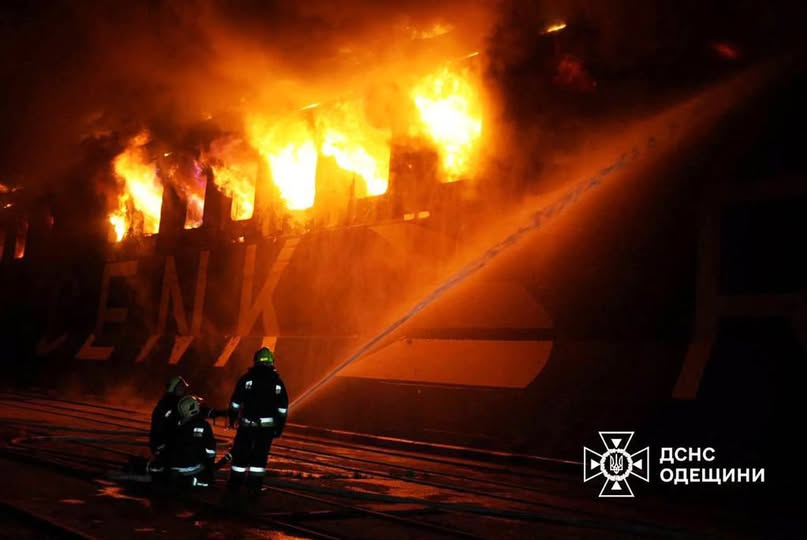
Early Thursday, two crewmembers were killed and several others injured when a tanker alongside in the Russian port of Rostov-on-Don caught fire after what local officials described as a Ukrainian drone strike. The incident is the latest in a series of attacks affecting commercial shipping in and around the Black Sea.
Rostov-on-Don mayor Alexander Skryabin said emergency services were working to put out the blaze on the tanker hit while it was docked. He reported that a spill of oil products had been avoided, but confirmed that there were fatalities and injuries. Regional governor Yuri Slyusar also stated that crew were among the casualties, adding that full details were still being clarified.
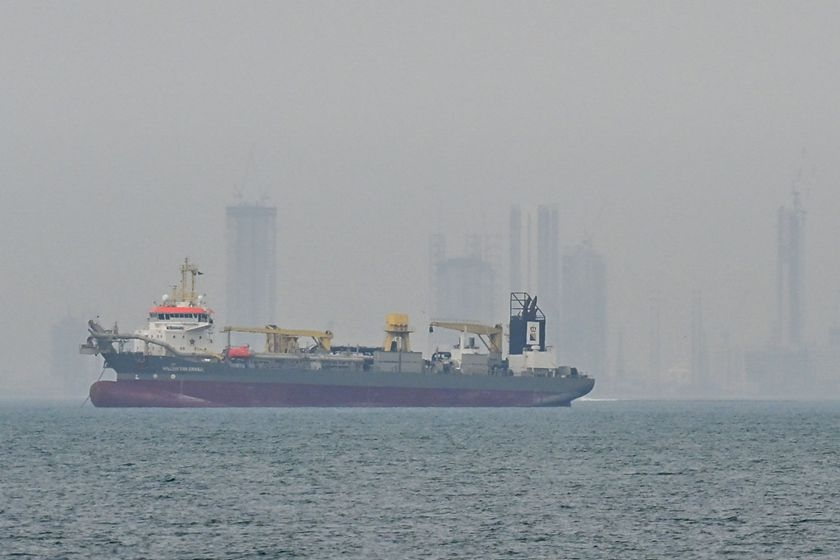
Local reports named the vessel as the 1969-built tanker Valery Gorchakov, which was moored at the pier when the drone struck. The explosion and subsequent fire damaged port infrastructure in the city, which is connected to the Sea of Azov, and officials said nearby buildings also suffered damage.
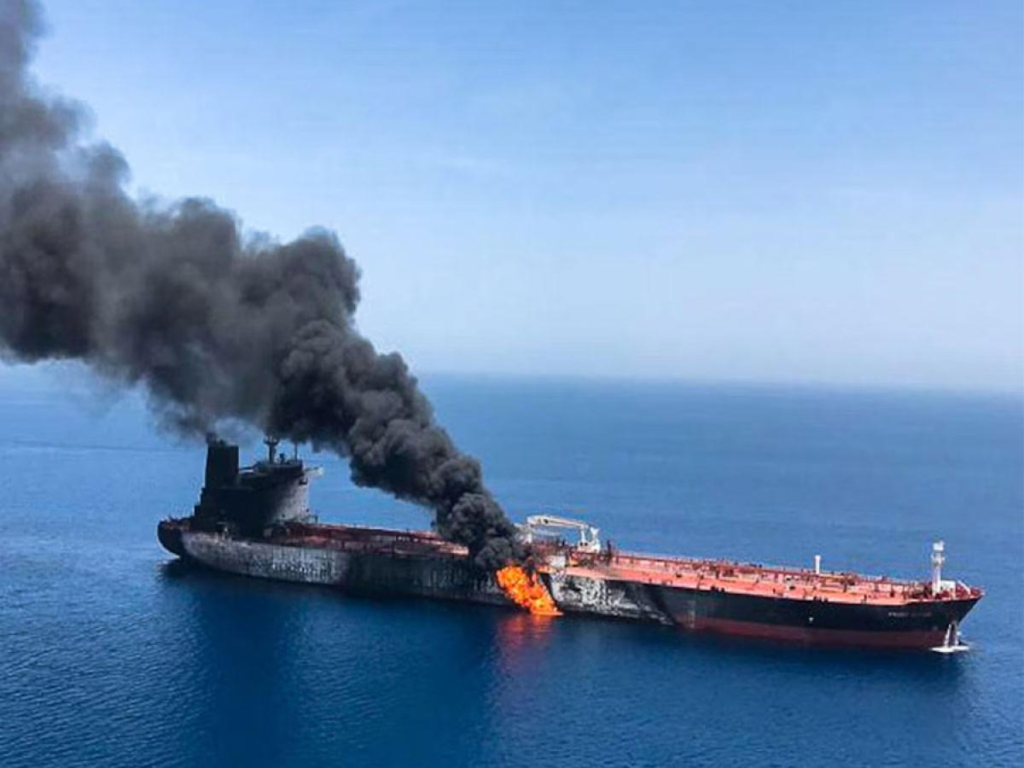
The attack took place amid a sharp decline in maritime security in the Black Sea and adjacent waters. Ukraine has increased strikes on Russian oil assets and vessels, including repeated attacks on tankers linked to Moscow’s so-called shadow fleet. Between late November and early December, Ukrainian sea drones hit the tankers Kairos, Virat and Dashan, with Kyiv saying these operations are intended to disrupt Russian oil exports.
Russia has issued counter-threats. President Vladimir Putin has warned that Moscow could “cut Ukraine off from the sea” and target tankers from states backing Kyiv. Those comments followed Russian attacks on Ukrainian ports last week that damaged three Turkish-owned vessels and triggered a large fire.
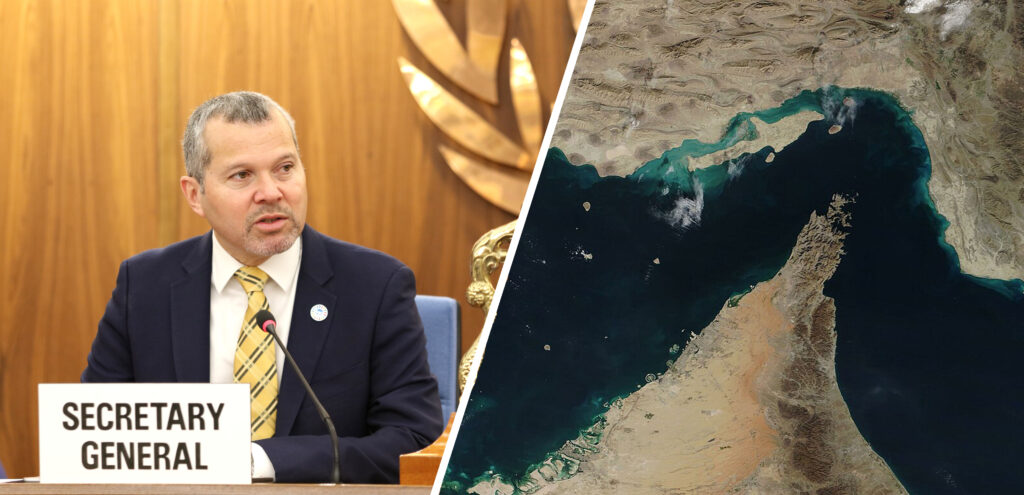
The head of the UN International Maritime Organization has cautioned that the growing number of incidents is putting both seafarers and the marine environment under increasing pressure. IMO secretary-general Arsenio Dominguez said earlier this week that all parties should refrain from targeting seafarers, port workers and merchant ships, and stressed that shipping must not be treated as collateral in geopolitical disputes, warning that environmental risks are rising.
Mark Dickinson of the International Transport Workers’ Federation also condemned the trend, stating that seafarers are not tools of war and that no political or military goal can justify endangering civilian crews.