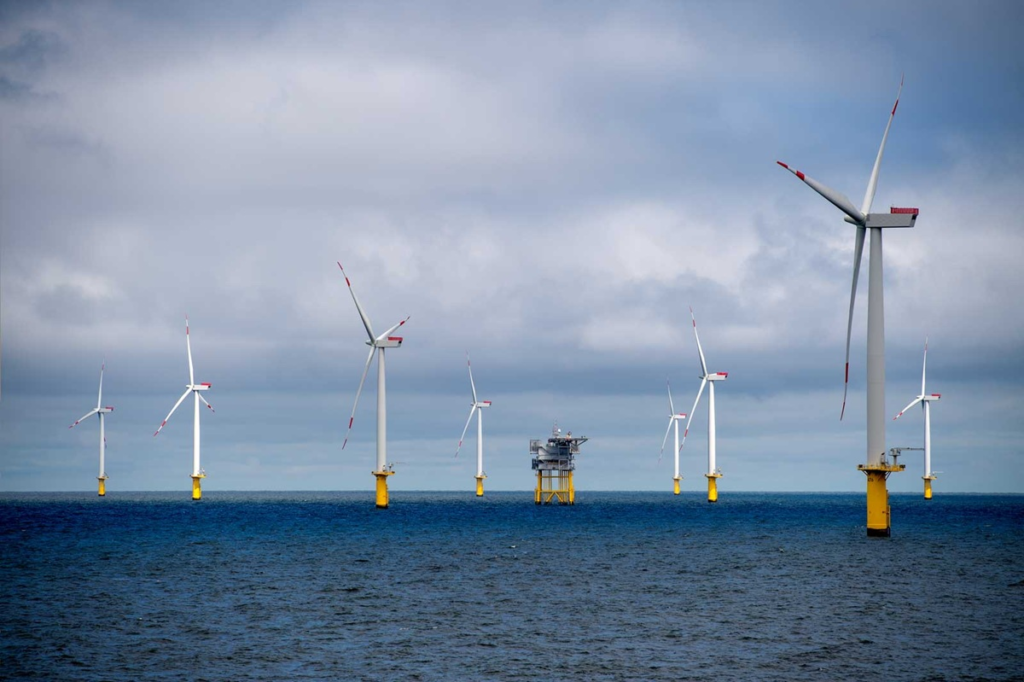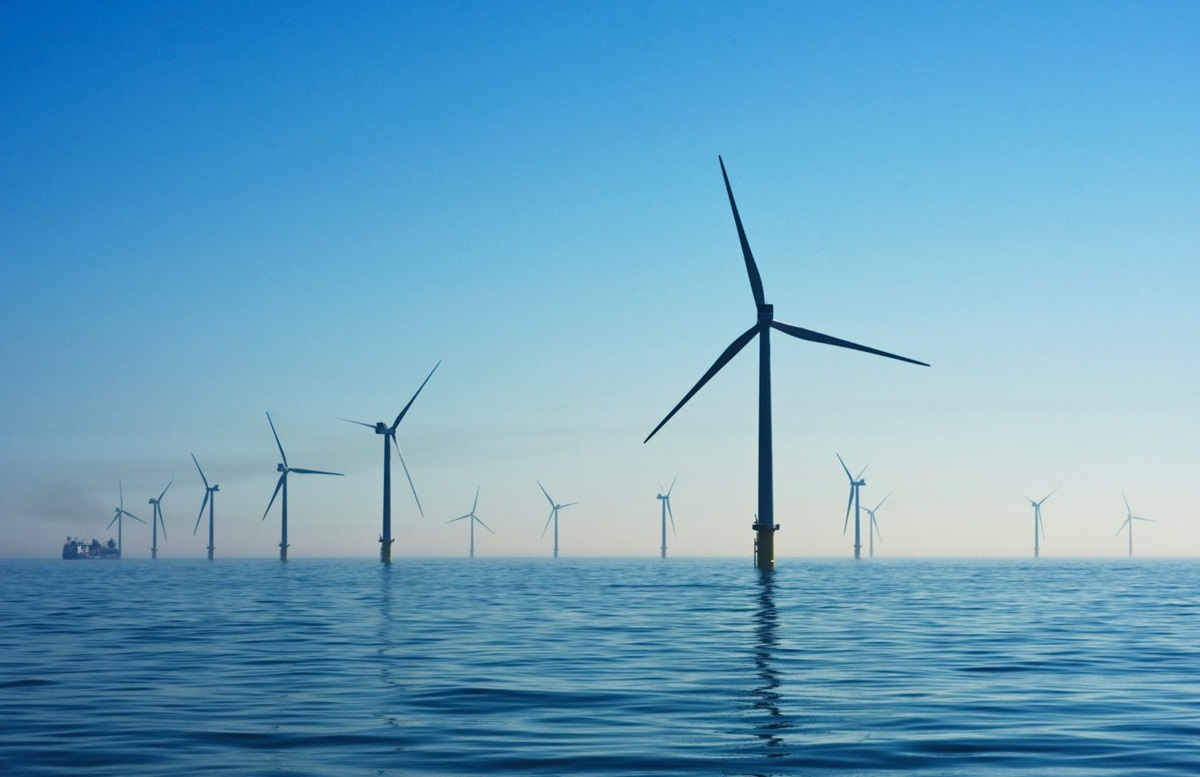
On 12 January, Rio de Janeiro state adopted a dedicated policy to promote offshore wind power as part of its wider energy transition agenda. The legislation sets out how offshore areas will be allocated for energy use and is intended to draw investment, create skilled employment, and strengthen ocean-related industries.
The new state framework for offshore energy transition rests on principles that include respect for Brazil’s federal structure, recognition of federal responsibilities, environmental and climate safeguards, and avenues for public participation. It is designed to give Rio de Janeiro an institutional channel that can align state-level action with national planning for offshore areas used for power generation.
The law also requires that territorial, socio-economic, and environmental assessments be carried out along the coast. These studies are expected to support more orderly coastal management and the safe, efficient siting of offshore wind projects, while reducing disputes over how marine space is used and giving developers a clearer view of future permitting conditions.
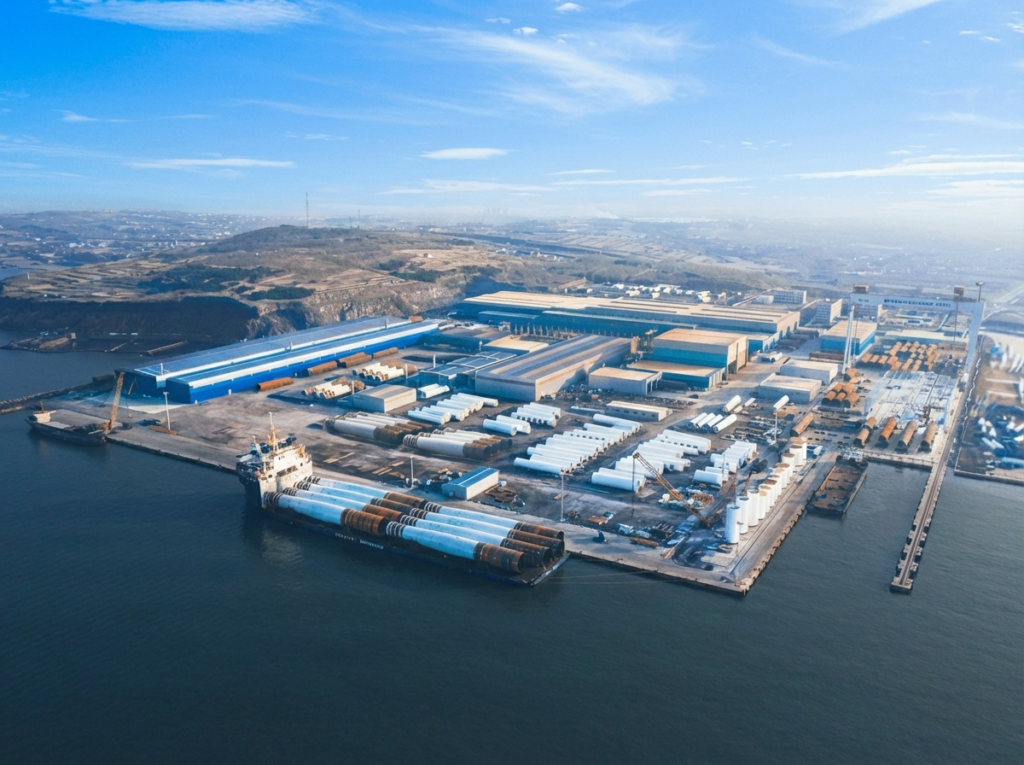
State officials say the policy has the capacity to unlock thousands of qualified jobs and to stimulate local supply chains tied to local shipyards, metalworking firms, port logistics operations, and specialized service providers. Offshore wind is being framed as a new driver of sustainable growth that fits within what the government describes as the green economy.
Another core objective of the initiative is to bring in both Brazilian and foreign investors and to turn Rio de Janeiro into a centre for innovation in energy. The state intends to take advantage of links with universities and research institutions, as well as industries already based in the region, to support project development and technology deployment.
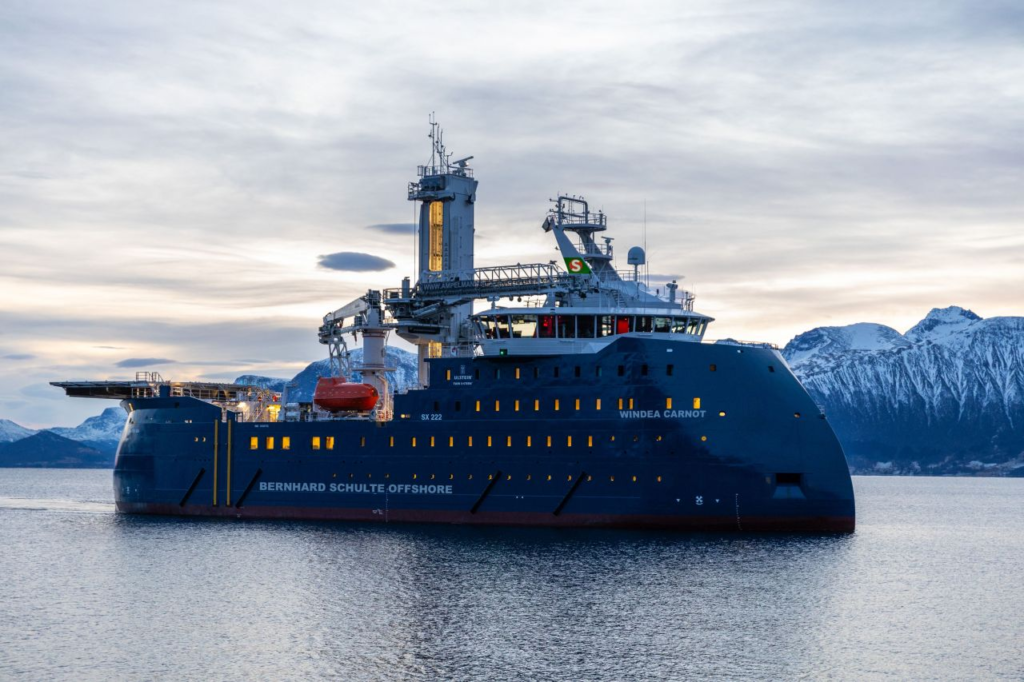
According to the state’s energy and maritime economy secretariat, Rio de Janeiro enters the offshore wind segment with a set of structural advantages. The state has an established network of ports, deep experience in logistics, and more than five decades of offshore oil and gas activity, giving companies in the region substantial technical and industrial know-how in marine operations.
This legacy, coupled with strong wind resources off the coast of Rio de Janeiro state and progress in marine spatial planning studies, is presented by the government as the basis for a phased, secure, and environmentally responsible build-out of offshore wind projects along the state’s coastline.