Brazil’s offshore drilling outlook remains firm through 2029, with Petrobras holding 36 of the country’s 49 offshore rigs, according to data released by Westwood Global Energy Group on 1 March.
The four-year pipeline totals a minimum 5,472 rig days across identified tenders and prospects from 2026 to 2029. Tender activity carries most of the near-term demand. In 2026, all 1,850 minimum rig days are linked to tenders. The total rises to 2,412 days in 2027, made up of 2,262 tender days and 150 prospect days. The pace then eases, with 700 minimum prospect days in 2028 and 510 in 2029. Over the full period, tenders account for 4,112 days and prospects for 1,360 days.
Of the 49 rigs in Brazil, 33 are drilling, seven are in shipyards, four are under workover, four are warm stacked and one is cold stacked. Petrobras’ fleet includes 25 drilling units, five in shipyards, three under workover and three warm stacked.
Outside Petrobras, Equinor operates five rigs, with four drilling and one in a shipyard. PRIO has two drilling rigs. Trident Energy holds two units, one drilling and one under workover. Brava Energia has one drilling rig, while Karoon Energy has one unit in a shipyard. Two rigs have no assigned operator, including one warm-stacked unit and one cold-stacked unit.
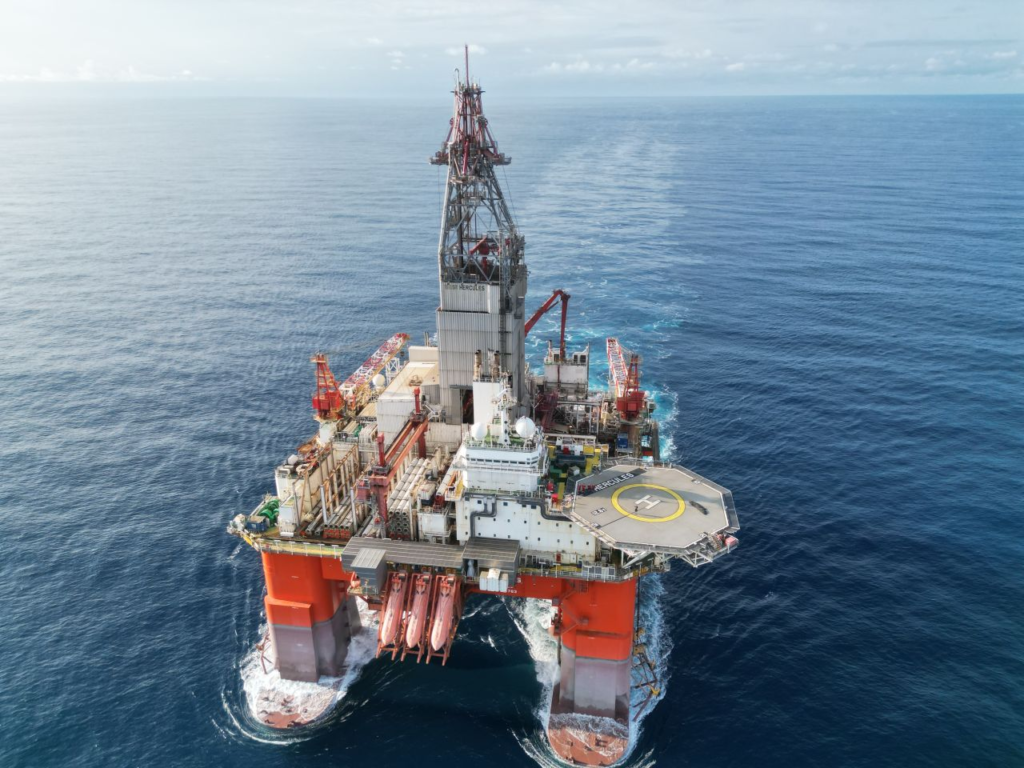
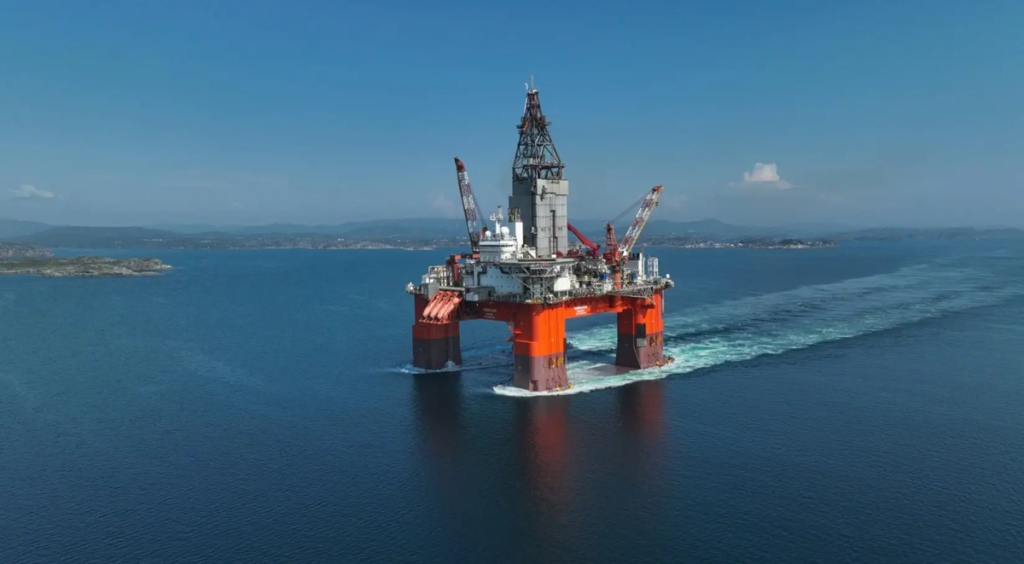
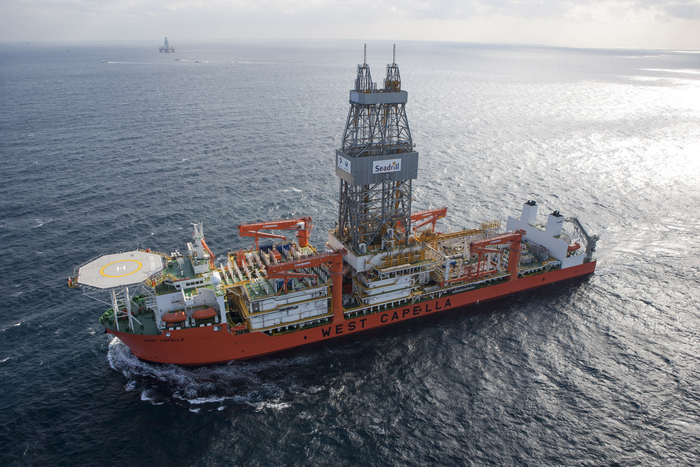
By class, drillships make up the largest share at 27 units, including 21 drilling and six in shipyards. Platform rigs total 10 units, with six drilling, one under workover and three warm stacked. Semisubmersibles account for nine units, including six drilling, one in a shipyard, one under workover and one warm stacked. Jackups number three, with two under workover and one cold stacked.
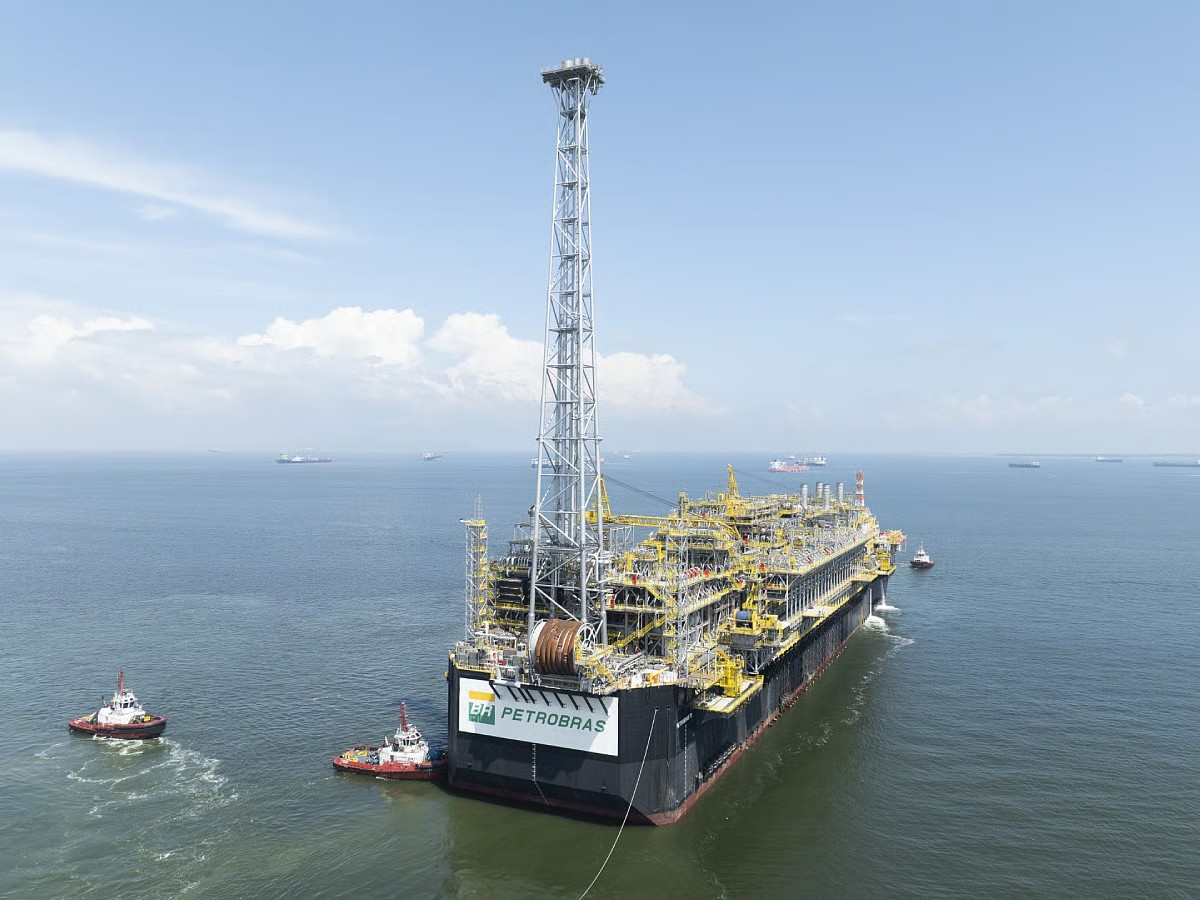
Brazil also remains the largest FPSO market in the region. About 70% of all newbuild FPSOs contracted in South America during the past five years were tied to projects in Brazil. Fields run by Petrobras accounted for 11 of those units, while Equinor secured FPSOs for Raia and Bacalhau.