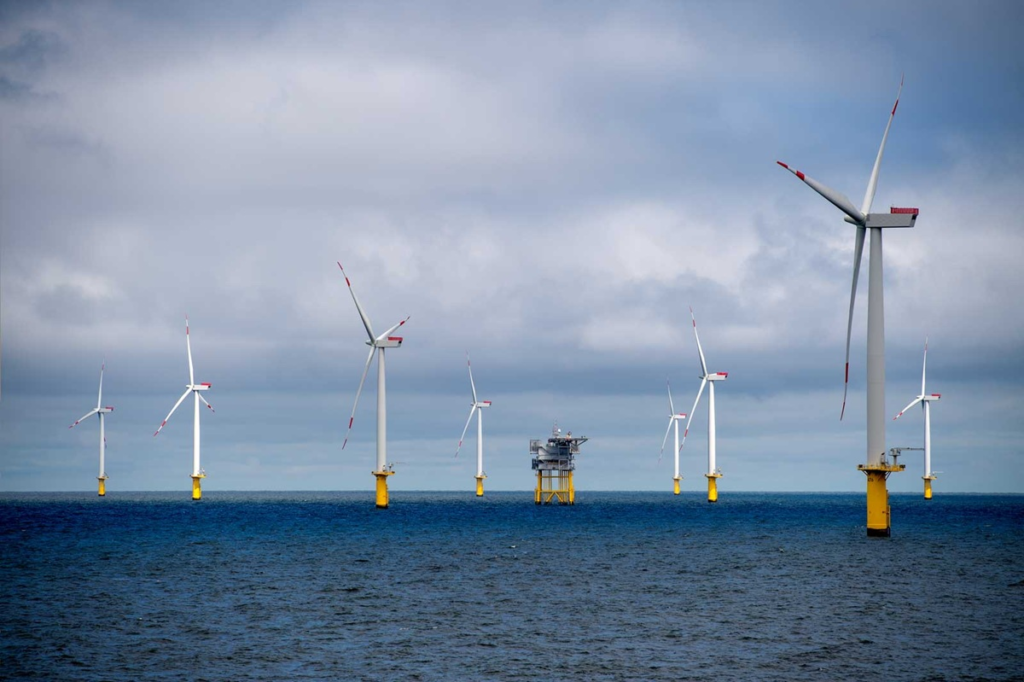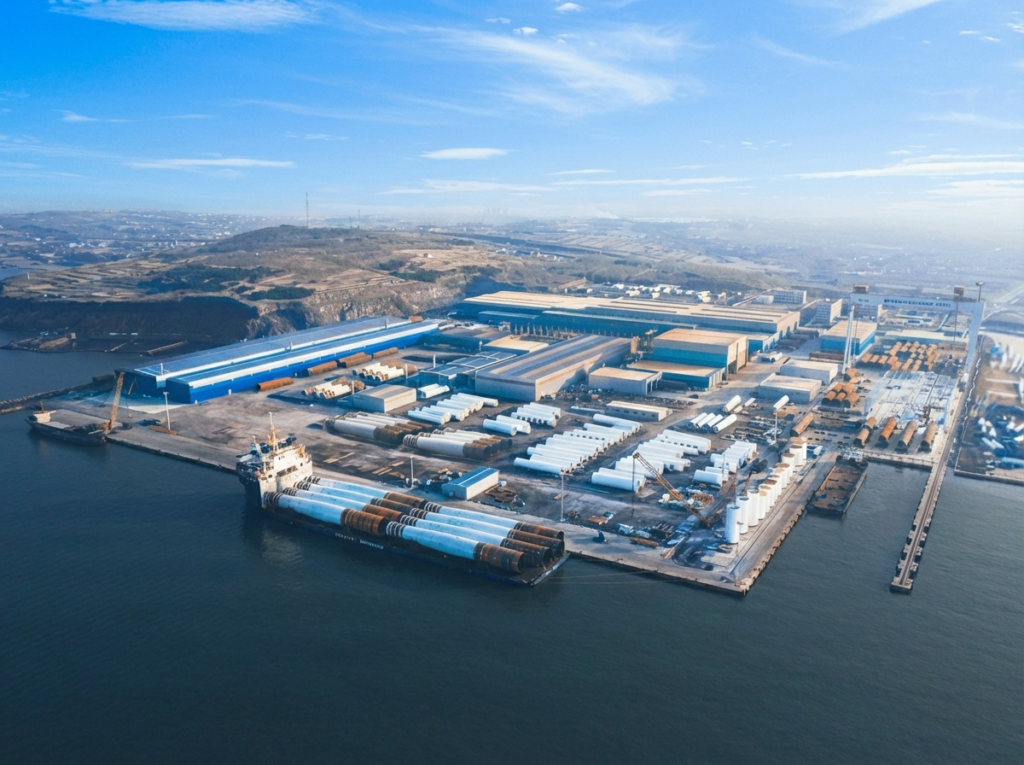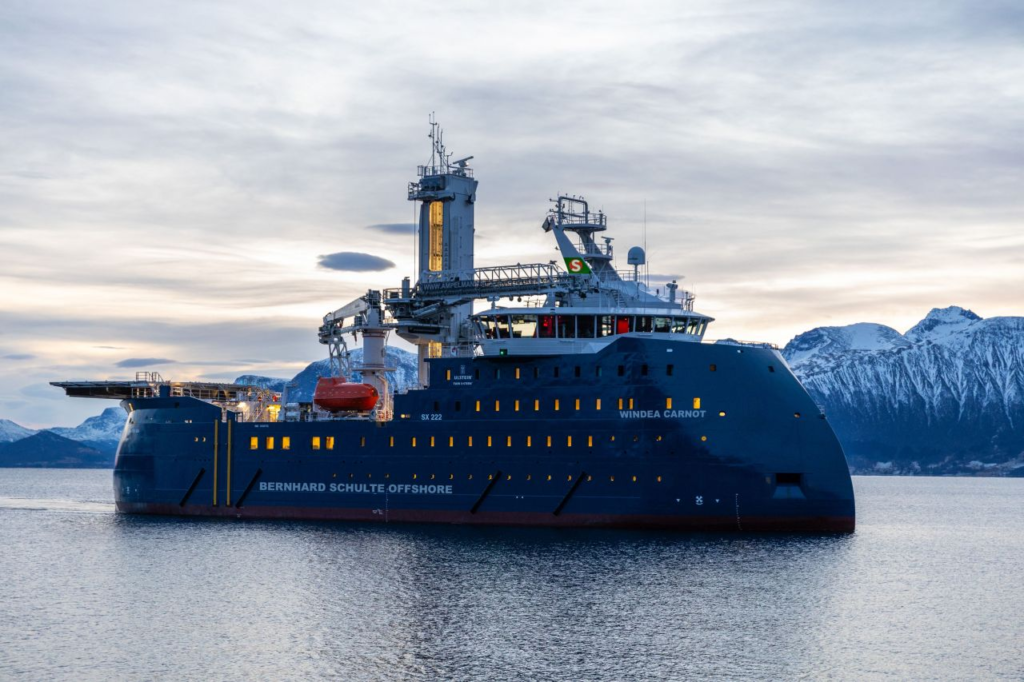
Massachusetts Governor Maura Healey signed a memorandum of understanding with Nova Scotia Premier Tim Houston on 4 February to work toward Nova Scotia supplying Massachusetts with offshore wind energy, as Massachusetts seeks more electrical power alongside renewable growth.
The memorandum is being billed as a win-win: supporting Massachusetts’ rising power needs while also backing Nova Scotia as it moves to launch Canada’s first offshore wind projects.
Premier Houston said Nova Scotia is nearing its first call for bids to license offshore wind projects in Canada and is advancing Wind West to build transmission infrastructure to send clean energy to markets. He said the agreement with Massachusetts signals to developers that markets for clean energy are solidifying.
Nova Scotia and the Government of Canada jointly designated the first four offshore wind energy areas in Nova Scotia in July 2025. The Canada–Nova Scotia Offshore Energy Regulator launched the overall process for the first call for bids to license offshore wind energy in Nova Scotia on 16 October, with the call for bids expected in the next few months. After the first four licenses currently in process, the province said it would revisit four to five other areas identified in the regional assessment.
Canada has historically been a major power exporter to the United States despite trade tensions with the Trump administration. U.S. Energy Information Administration figures cited in the report put exports historically at 50–60 million megawatthours annually, falling to just over 27 million megawatthours in 2024.
Massachusetts has been an early supporter of offshore wind in the United States and is weeks away from the completion of Vineyard Wind 1. The state has also opposed the Trump administration’s efforts to end offshore wind development, including legal actions involving Massachusetts Attorney General Andrea Joy Campbell and earlier state-led litigation linked to an executive order to review the industry’s future.
Premier Houston’s 2025 plan sets an initial goal of 5 GW of generation capacity by 2030 and notes Nova Scotia’s current peak usage of 2.4 GW. Longer term, the province’s vision says it could potentially produce 66 GW through offshore development.