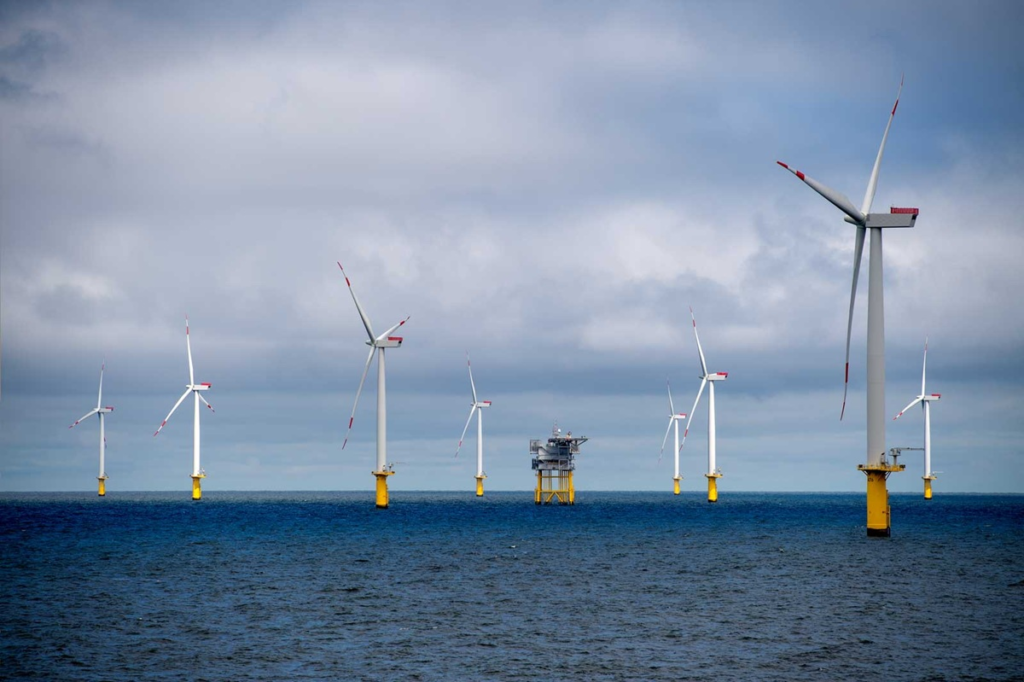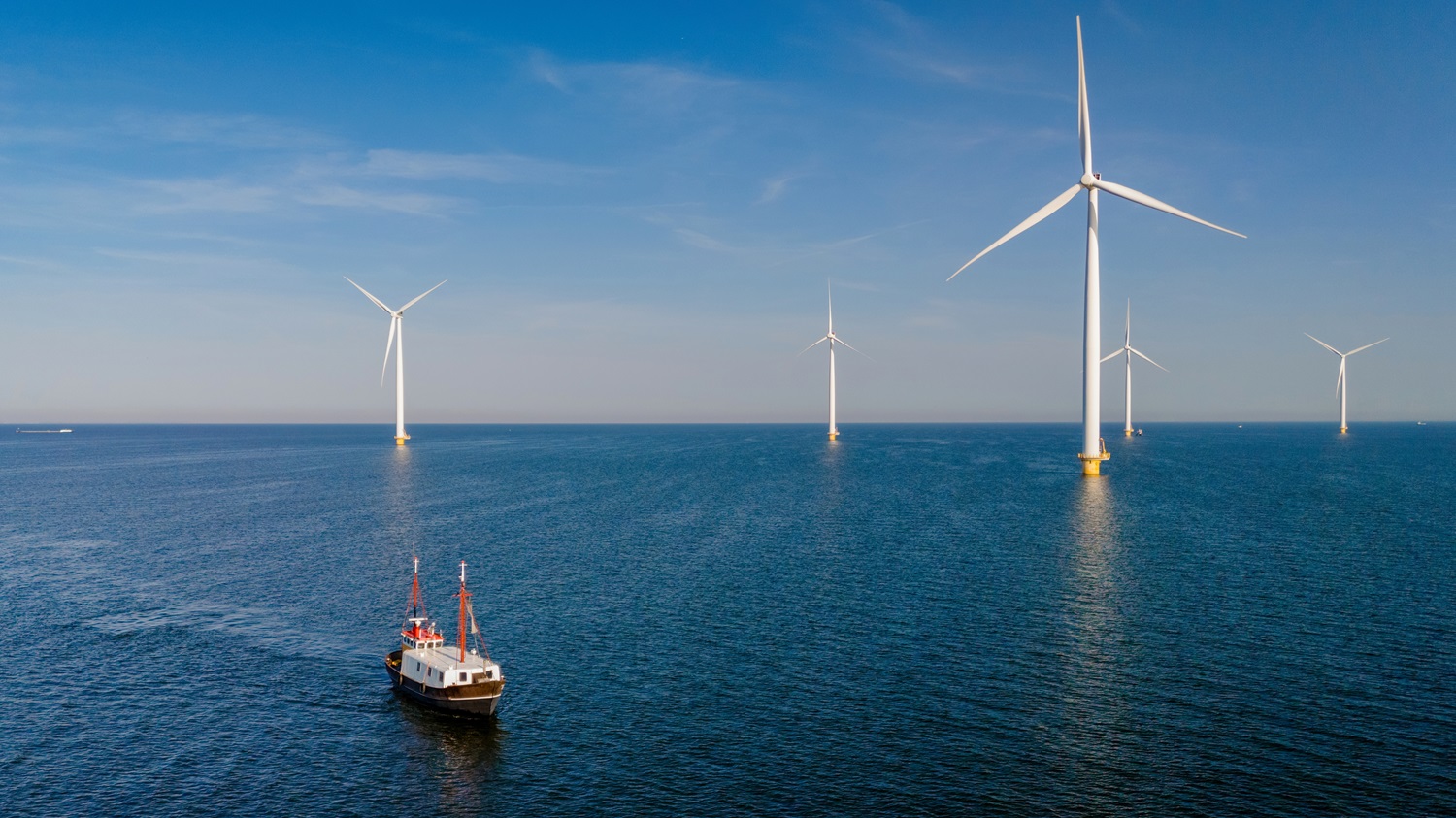
KUALA LUMPUR — The Malaysian government has released details of a proposed 2,000 MW offshore wind project connecting Vietnam, Malaysia, and Singapore in a significant step towards regional cooperation on renewable energy. The announcement was made on 22 October 2025 by Malaysia’s Energy Minister Fadillah Yusof in parliamentary remarks.
The project will be developed in two phases. Phase 1 involves the construction of the offshore wind farm facility and the undersea cable link from Vietnam to Peninsular Malaysia, with a targeted completion date of 2034. Of the total 2,000 MW, 700 MW is earmarked for domestic Malaysian consumption and 1,300 MW for export to Singapore.
Phase 2 contemplates extending land-based transmission networks via Cambodia, Laos, and Thailand, connecting back into Malaysia’s grid and eventually exporting to Singapore. However, this stage is contingent on “energy requirements and economic assessment” upon completion of Phase 1.
Malaysia plans to participate either as a shareholder or a lessor for the required land and transmission-route infrastructure. The initiative aligns with Malaysia’s broader ambition to integrate into the ASEAN Power Grid and enhance its role as a regional energy hub.
Analysts note the strategic importance of the project: Singapore has set a target to import up to 4 GW of low-carbon electricity by 2035, making this wind-farm link a potentially major contributor. The route via Vietnam and Malaysia also opens new connections for renewable electricity trade in Southeast Asia.
That said, key details remain unfinalized, including the exact offshore site, investment structure, timeline beyond 2034, and commercial terms for export. The government emphasized that decisions on the project will depend on detailed feasibility, grid readiness, and regional demand.