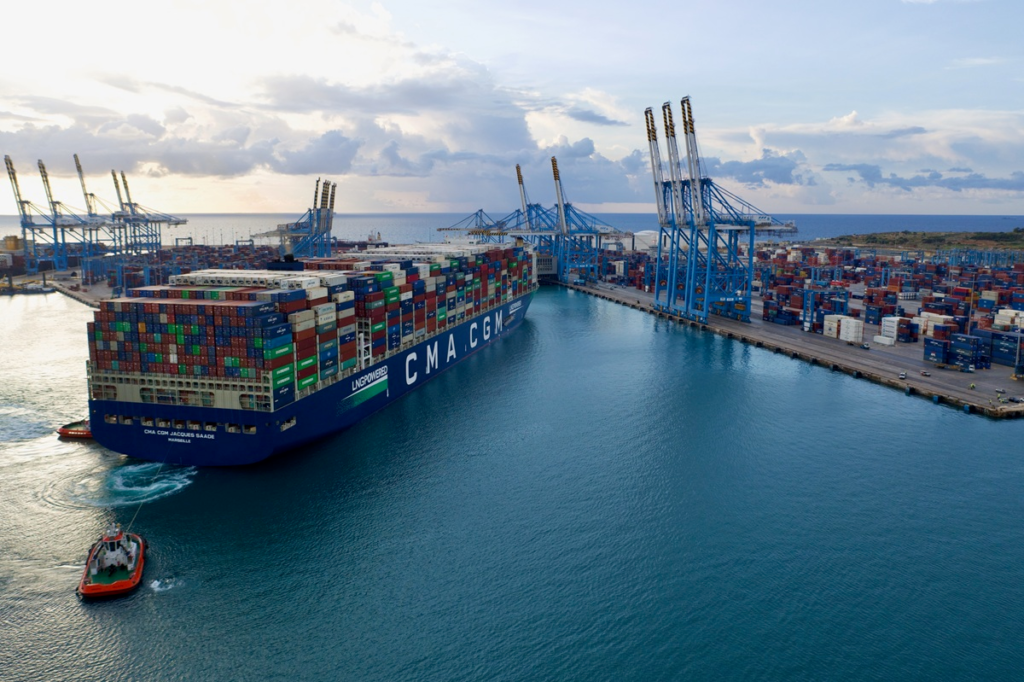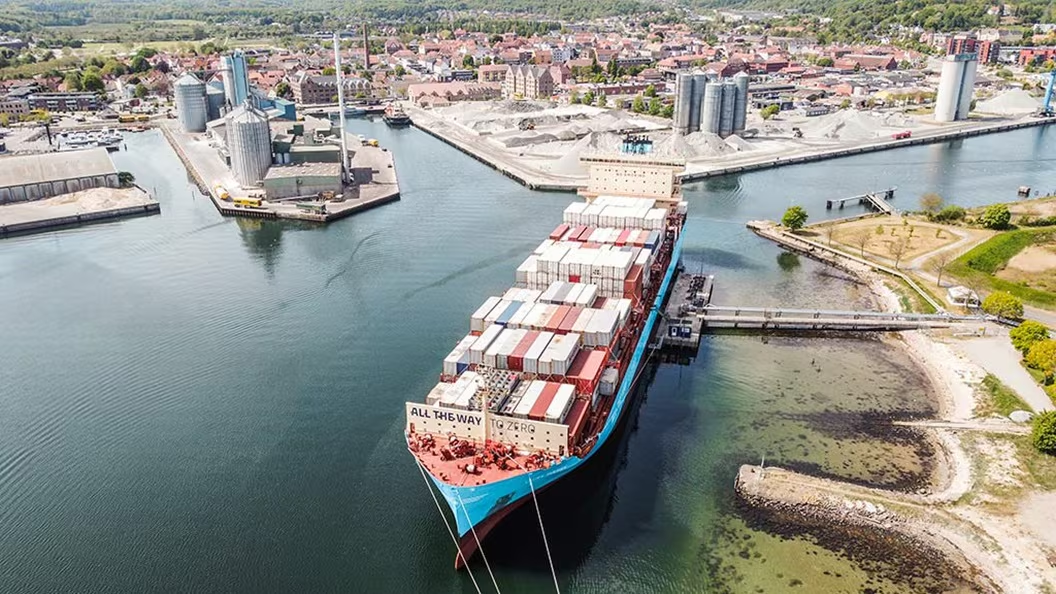
Maersk said its ocean division recorded an EBIT loss in the fourth quarter of 2025, and the group will cut 1,000 jobs this year as it tightens cost control in a weaker freight-rate environment.
For Q4 2025, Maersk reported an EBIT loss of $153 million in its ocean business. The result compares with an EBIT of $567 million in the previous quarter and $1.6 billion in Q4 2024. The Danish group also announced a DKK 6.3 billion ($1 billion) share buyback programme.
Chief executive Vincent Clerc said 2025 was a year in which supply chains and global trade continued to be reshaped by “evolving geopolitics,” according to the company’s statement.
The update followed results from Ocean Network Express, which reported an operating loss of $84 million and a net loss of $88 million for Q4 2025. ONE CEO Jeremy Nixon described the situation as a “challenging operating environment”.
Linerlytica said freight rates continued to slide ahead of the Chinese New Year holidays and suggested carriers’ ability to halt the decline will be tested in the coming months. A separate report from container booking platform Freightos said the market is moving into a downcycle as a wave of new vessel capacity enters service, putting pressure on rates and carrier revenue.
In its 2026 Financial Health Check for liner shipping, Drewry said the sector is nearing a “structural reset” as freight rates normalise, pandemic-era windfalls fade and a large newbuilding orderbook delivers. AlixPartners also called for strict capital discipline, pointing to cost-saving programmes and capacity management through measures including slow steaming and vessel idling.
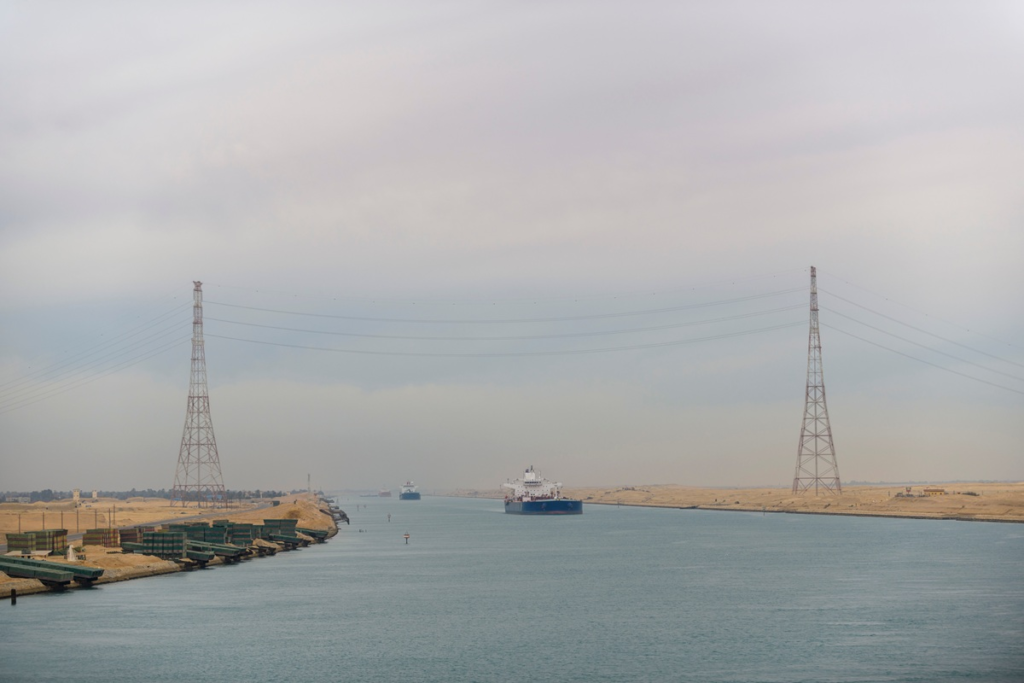
A return by the industry to transiting the Suez Canal was also cited as a major driver for capacity dynamics. Xeneta data indicated that a large-scale shift back to shorter voyages via the Suez Canal would effectively free up 6–8% of global container shipping capacity.
Maersk said its full-year 2026 group EBIT forecast ranges from a $1.5 billion loss to a $1 billion profit. “The ranges reflect the expected overcapacity in the shipping industry and scenarios of a gradual Red Sea reopening in 2026,” the company said.