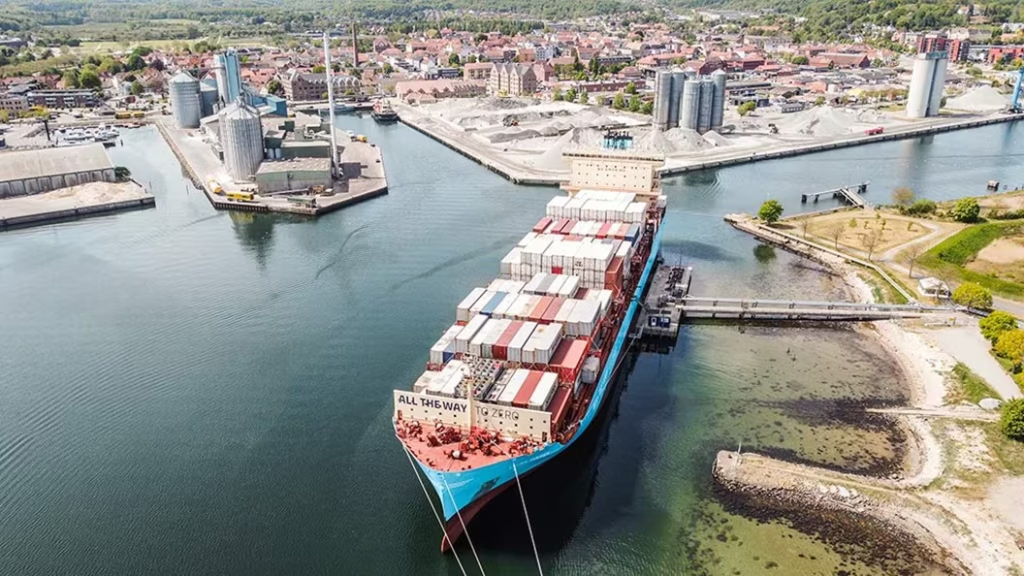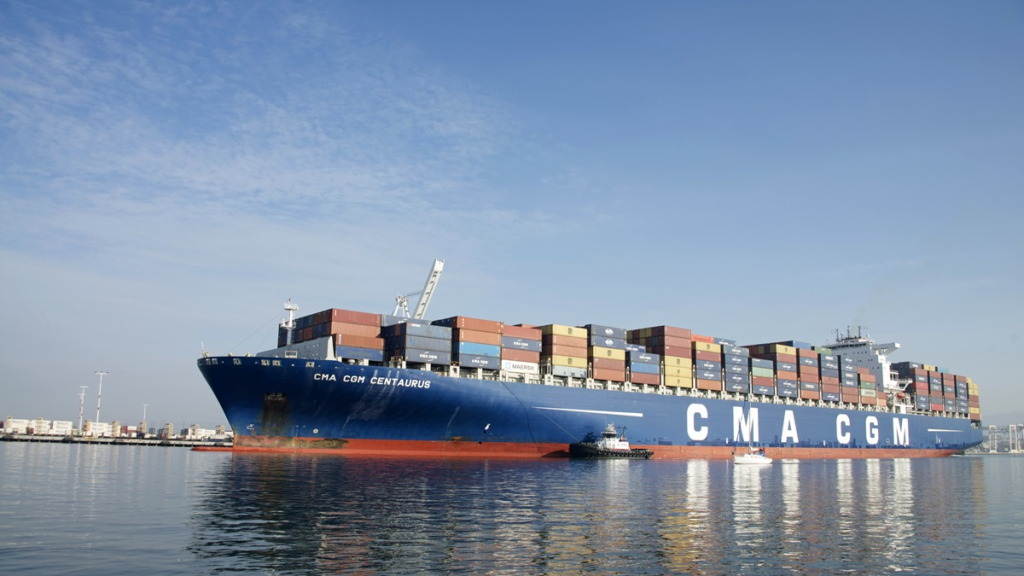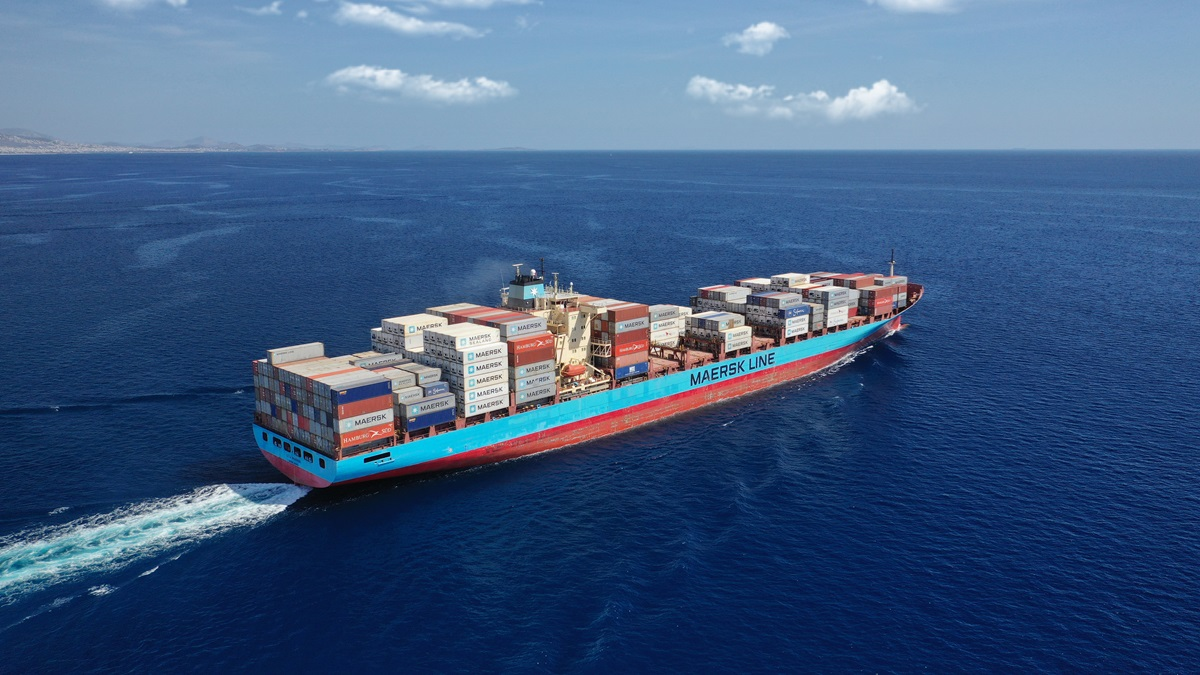
Maersk and Hapag-Lloyd will route ships through the Red Sea again for their joint Gemini Cooperation network, ending a period in which vessels were diverted around the Cape of Good Hope because of security concerns.
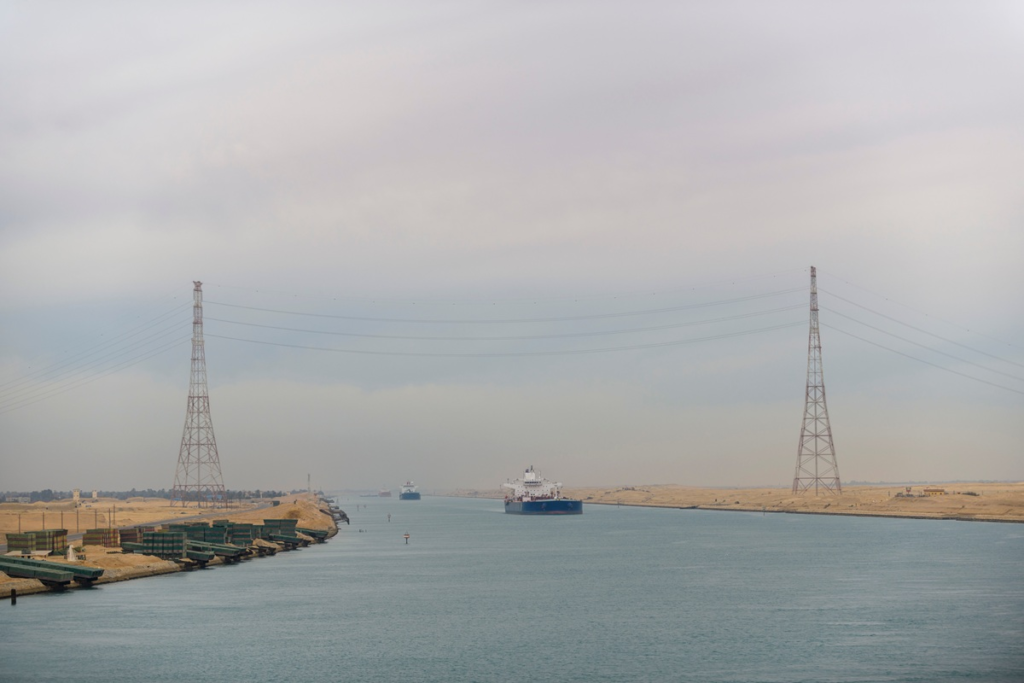
The change applies first to the ME11 loop that links India and the Middle East with the Mediterranean. From mid-February, the service will transit the Red Sea and the Suez Canal, and every sailing will operate with naval protection in place. The revised routing will affect westbound voyages starting with Albert Maersk and eastbound sailings beginning with Astrid Maersk.
The partners said the objective is to limit disruption for customers while keeping the Gemini Cooperation schedule dependable. They also said there are no further Red Sea-related adjustments planned for the wider Gemini network at this stage.
In parallel, the two carriers are assessing whether comparable route changes should be introduced on the AE12 and AE15 services. Any decision will depend on how conditions in the region evolve.
Safety requirements remain central to the restart. The companies said they will apply the highest protective measures for crews, vessels, and cargo, and stressed that continued use of the corridor will depend on regional stability and the absence of additional escalation.
Earlier this year, Maersk began a gradual move back toward the Suez route by shifting its MECL service—linking the Middle East and India with the U.S. East Coast—through the canal. That step followed trial transits by Maersk Sebarok and Maersk Denver. The Gemini Cooperation, launched in February 2025, spans 29 shared mainline services and 29 shuttle services across East–West trades.
The carriers said they will continue to monitor the situation and will provide updates if further routing changes become necessary.