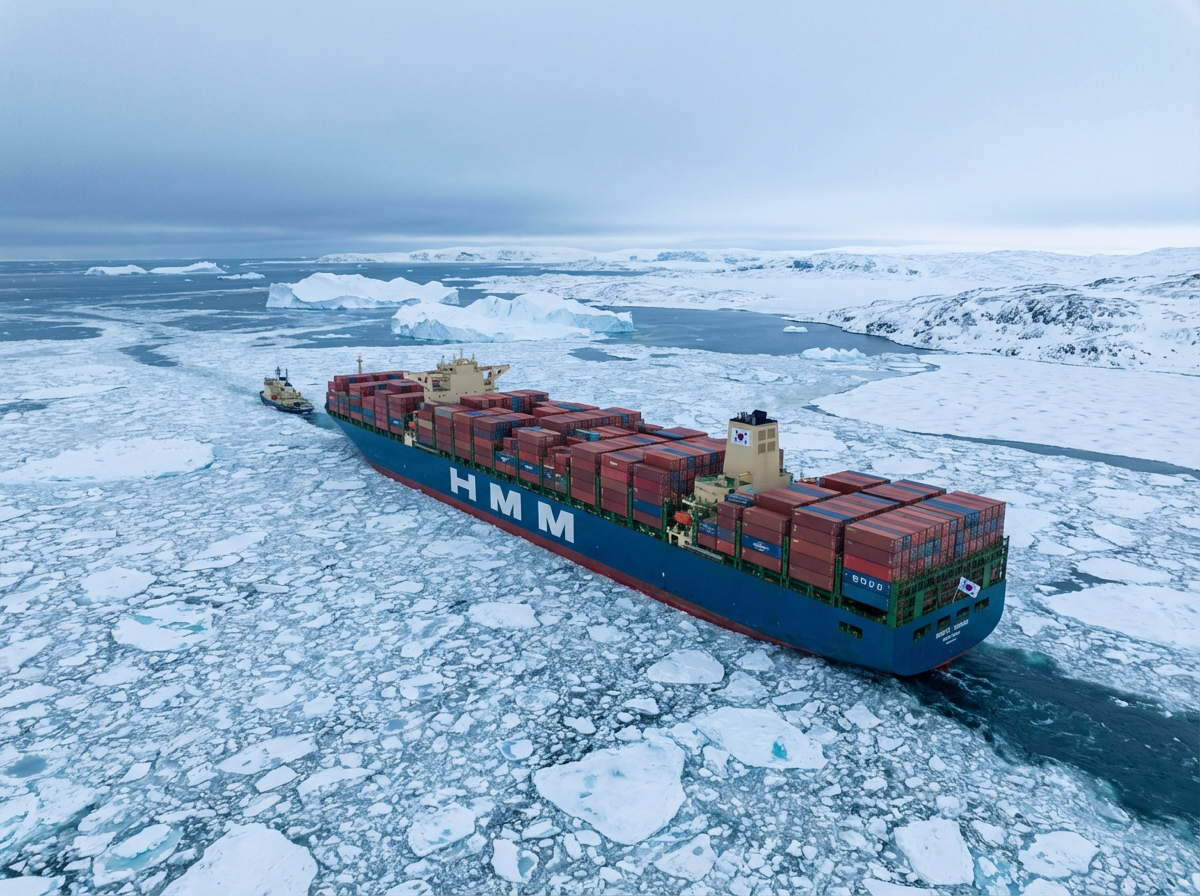
South Korea plans a trial voyage by a 3,000-TEU container ship between Busan and Rotterdam via an Arctic route in July–August this year, as part of a wider maritime policy shift outlined at a New Year briefing in Busan. The Ministry of Oceans and Fisheries, which has now relocated to Busan, will also lead a new pan-government Arctic Route Promotion Headquarters.
The trial is intended to open Korea’s first Arctic shipping corridor, using the shorter Asia–Europe route to lower logistics costs and support industries such as shipbuilding and maritime finance. A domestic carrier will operate the voyage, with two options under review: expanded use of the Northeast Passage through Russia if sanctions ease, or pilot voyages via the more challenging Northwest Passage through Canada if sanctions remain.
To back Arctic operations, the ministry will localise technology for ice-strengthened and icebreaking container ships and build a “Maritime Capital Region” around Busan. Key steps include relocation incentives for additional shipping lines following SK Shipping and H-Line Shipping, support for establishing a Southeast Region Investment Corporation, and a capital increase at the Korea Maritime Promotion Corporation.
Fisheries policy will be reshaped by cutting coastal and offshore fishing capacity by 40% over five years and expanding large-scale, smart aquaculture in offshore and East Sea sites. An AI-based onboard auction system will be introduced to sell catches immediately, while fines for illegal fishing by Chinese vessels will rise from KRW3 billion (US$2.07 million) to KRW10 billion, with enforcement shifting from expulsion to seizure and prosecution in Korea before transfer to China.
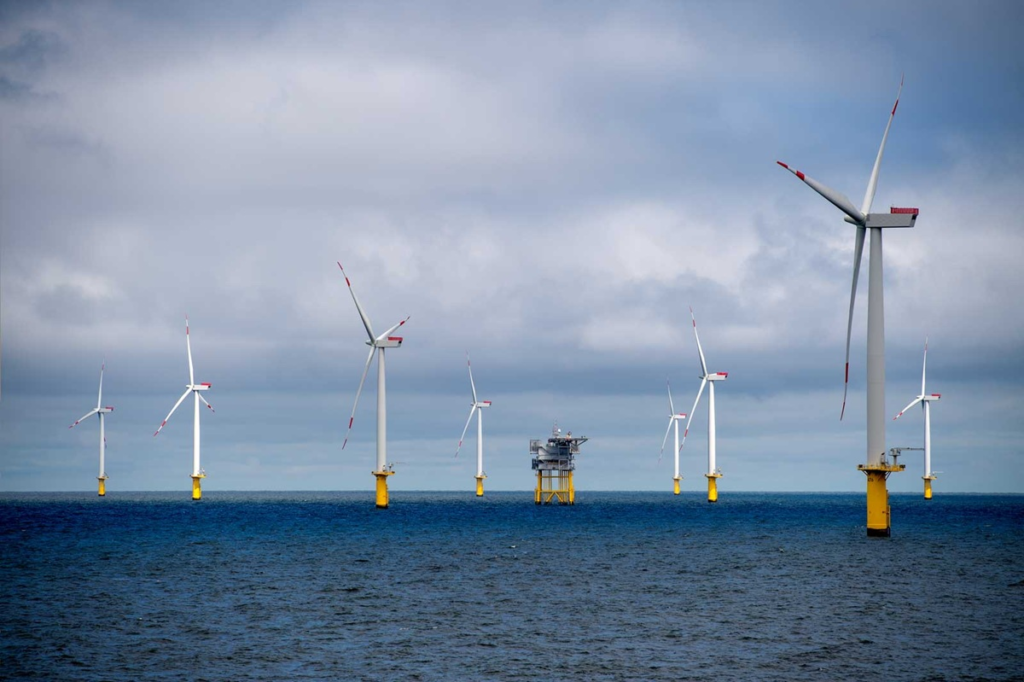
The ministry also aims to drive offshore wind expansion by designating Phase 1 zones under the Special Act on Offshore Wind Power and creating a profit-sharing model focused on fishermen and producer cooperatives. It plans to identify routes for subsea power links, invest KRW22.2 billion through 2030 in transmission network maintenance technologies, and lift seafood exports to $4 billion, including $1.5 billion in seaweed, while using its relocation to Busan to support more balanced national development.