Search
Close this search box

Kidnapped CGas Saturn Crew Released After Gulf of Guinea Attack

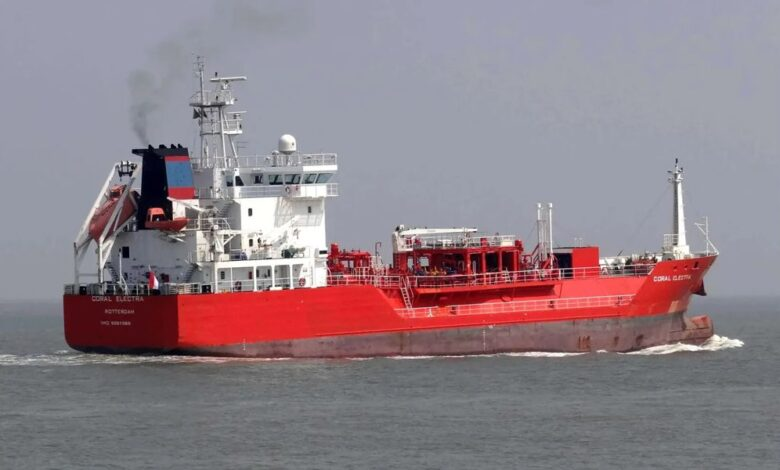
Nine crew abducted from CGas Saturn in the Gulf of Guinea on 3 December have been released and are being repatriated, Christiania Gas said.
Photo source: Wolgrang Berthel / Marine Traffic

SHARE ARTICLE

The nine seafarers taken during a pirate boarding of the LPG carrier CGas Saturn earlier this month have been released and are now safe, according to Christiania Gas.

The vessel was attacked on 3 December while transiting the Gulf of Guinea on passage toward Malabo, Equatorial Guinea. At the time, four crew members remained onboard and maintained control of the ship as it proceeded to safer waters. One of the mariners who stayed onboard sustained minor injuries and received medical attention.

In an update issued on 29 December, Christiania Gas said the abducted seafarers have been able to contact their families and are being repatriated to their home countries.

The case highlights the persistent, if diminished, security exposure in West African waters. Industry reporting citing International Maritime Bureau (IMB) figures indicates the Gulf of Guinea continued to record kidnapping-linked incidents in 2025, underscoring the ongoing need for voyage risk assessments and layered onboard security procedures when routing through the region.
Editorial Note:
This article was prepared with the assistance of AI tools to enhance clarity and efficiency.
All information has been reviewed and verified by the HMT News editor.
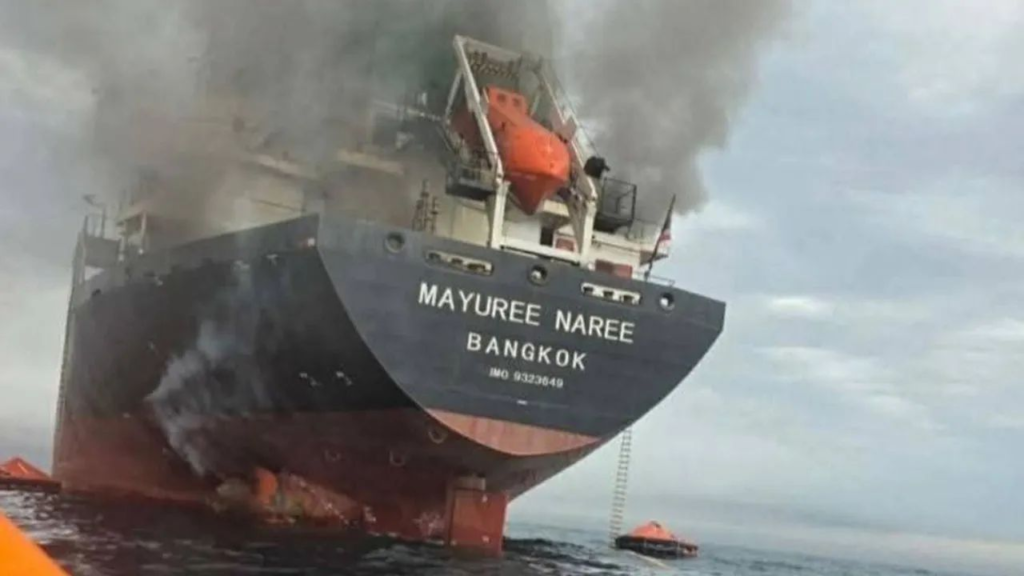
Three merchant vessels including MAYUREE NAREE, One Majesty, and Star Gwyneth were reportedly damaged on 11 March near the Strait of Hormuz, raising renewed concern over maritime security and crew safety in one of the world’s most critical shipping corridors.
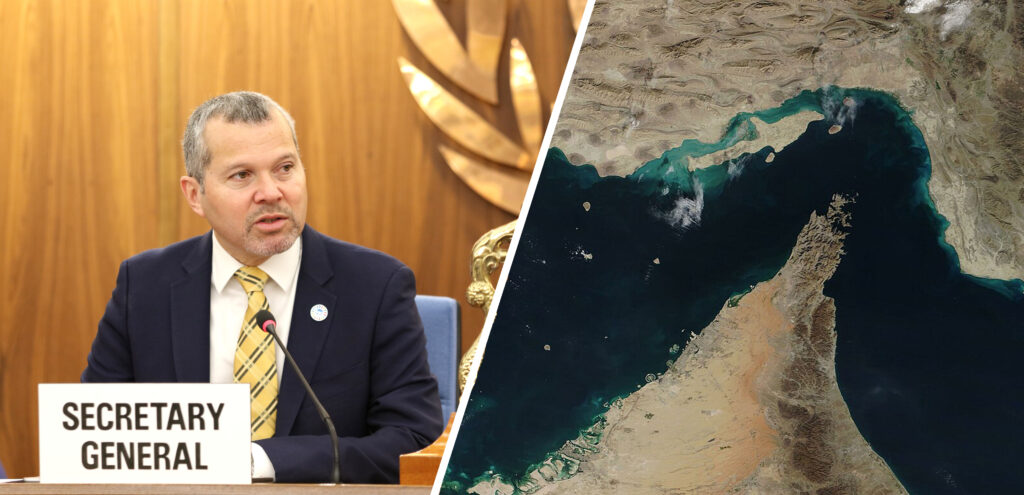
The IMO has urged shipping companies to put crew safety first after attacks on merchant vessels in the Strait of Hormuz caused seafarer casualties. The agency also warned operators to use only confirmed information when making navigational decisions in the high-risk corridor.
Seafarers on IBF-covered ships can now refuse voyages through the Strait of Hormuz and the wider Middle East Gulf after the threat level reached its highest category. The new arrangement includes repatriation rights, two months of basic wage compensation, higher pay in the zone, and doubled compensation in death or disability cases.

Subscribe to HMT WEEKLY

Receive HMT WEEKLY in your mailbox.

Heavy Marine Transport News, Delivered Daily — Stay informed on shipping, offshore, and global logistics.

SECTION

INFORMATION

CONTACT

For general inquiries and to contact us,
please email: info@hmt-news.com