Japan has launched a month-long offshore mission to test whether it can secure rare earth elements from domestic seabed resources for use in electric vehicles, electronics and defense systems.
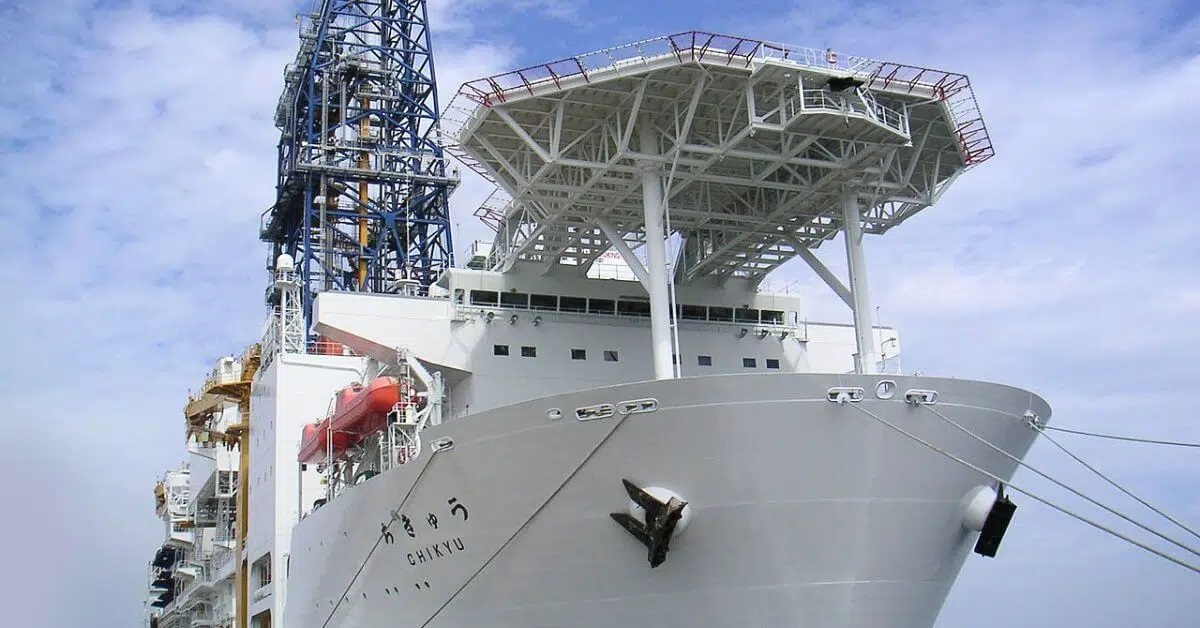
The test mining vessel Chikyu departed on Monday from Shizuoka for waters near Minamitori Island, a remote coral atoll located about 1,900 km southeast of Tokyo. The operation is designed to continuously lift mud containing rare earths from around 6,000 m below the ocean surface directly onto the ship—an outcome the project team says has not been achieved before at that depth.
Project leader Shoichi Ishii said the campaign follows seven years of preparation and described recovery from 6,000 m as a major achievement that could support procurement diversification. The expedition carries about 130 crew members and researchers and is scheduled to return on 14 February. The government has not disclosed estimated reserve volumes for the target deposits.
Japan currently sources around 60% of its rare earth imports from China, down from nearly 90% in 2010, after China restricted exports following a maritime dispute in the East China Sea. Since then, Japan has pursued overseas supply routes, including Sojitz’s tie-up with Lynas Rare Earths, and has promoted recycling and manufacturing processes aimed at lowering rare earth usage. The Minamitori Island campaign is described as Japan’s first attempt to source rare earths domestically.
Takahide Kiuchi of Nomura Research Institute said producing rare earths inside Japan is the fundamental solution, while cautioning that replacing the Chinese supply would be difficult if export controls expand further. Heavy rare earth elements are highlighted as a particular concern because they are needed for high-performance magnets used in electric and hybrid vehicle motors, and most of Japan’s supply is said to come from China. The report also noted that China last week banned exports of dual-use items to Japan, a category that includes some critical minerals, while broader rare earth restrictions have not been officially announced. Japan has invested around ¥40 billion (about $250 million) in the project since 2018; if the confirmation tests succeed, a full-scale mining trial is scheduled for February 2027.