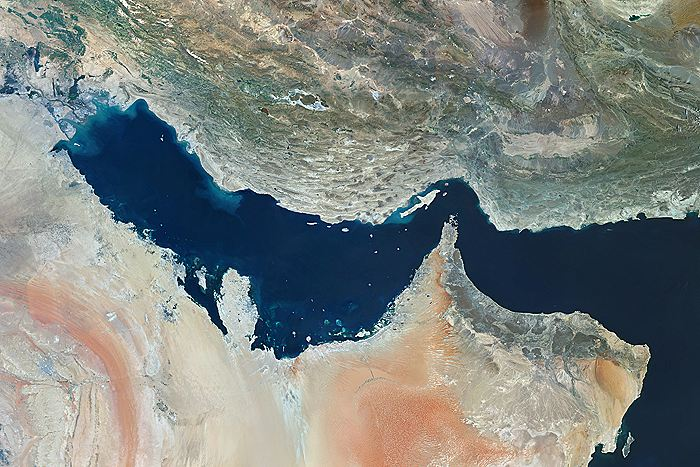
At least 150 oil tankers have halted or anchored inside the Persian Gulf after Iran declared the Strait of Hormuz unsafe for shipping, effectively stopping transit through the corridor, shippers and port operators confirmed on 1 March. The disruption has also pushed major Gulf container terminals to suspend operations and triggered widespread vessel rerouting.
DP World paused activity across its regional terminals, including Jebel Ali in Dubai, after falling debris from intercepted missiles caused a berth fire, the company said. The closure has hit container, breakbulk and project cargo handling, with delays expected to ripple through regional supply chains.
Liner operators began pulling capacity from the area. MSC Mediterranean Shipping Company stopped accepting bookings for worldwide cargo destined for the Middle East until further notice. CMA CGM instructed ships in the region to take shelter and suspended passages through the Suez Canal, diverting vessels around the Cape of Good Hope. Hapag Lloyd suspended all transit through the Strait of Hormuz, advising customers that ships already bound for the region would seek safe anchorage outside the Gulf and that extensive delays should be expected.
The stoppage followed a US-Israeli military operation that began on 28 February, involving strikes on Iranian military infrastructure and leadership targets. Iranian state media reported the death of Supreme Leader Ayatollah Ali Khamenei. The Islamic Revolution Guards Corps then warned the waterway was no longer safe, closing a route that normally carries about 20 million barrels of crude oil a day and around 20% of global LNG trade.
Insurance brokers reported war-risk premiums rising sharply for ships operating in or near the Gulf, with some cover canceled or repriced mid-transit. Industry sources said the Joint War Committee was expected to expand the listed high-risk area in the coming days.
Even if shipping resumes within days or weeks, analysts said the risk premium linked to the corridor would remain permanently higher. Alternative export routes offer limited relief: Saudi Arabia’s East–West pipeline can move about 6.8 million barrels per day, far below typical Hormuz volumes. Forwarders also warned that Africa rerouting adds at least two weeks to transit times and that port congestion could take months to clear after operations restart.
The International Atomic Energy Agency urged restraint to avoid any nuclear safety incident, referencing the risk of strikes near Iran’s nuclear facilities. Israel’s Prime Minister Benjamin Netanyahu said operations would continue “as long as necessary,” while President Donald Trump said bombing would continue “uninterrupted.” Iran vowed an open-ended response without red lines, pointing to a prolonged period of disruption for maritime and logistics networks.