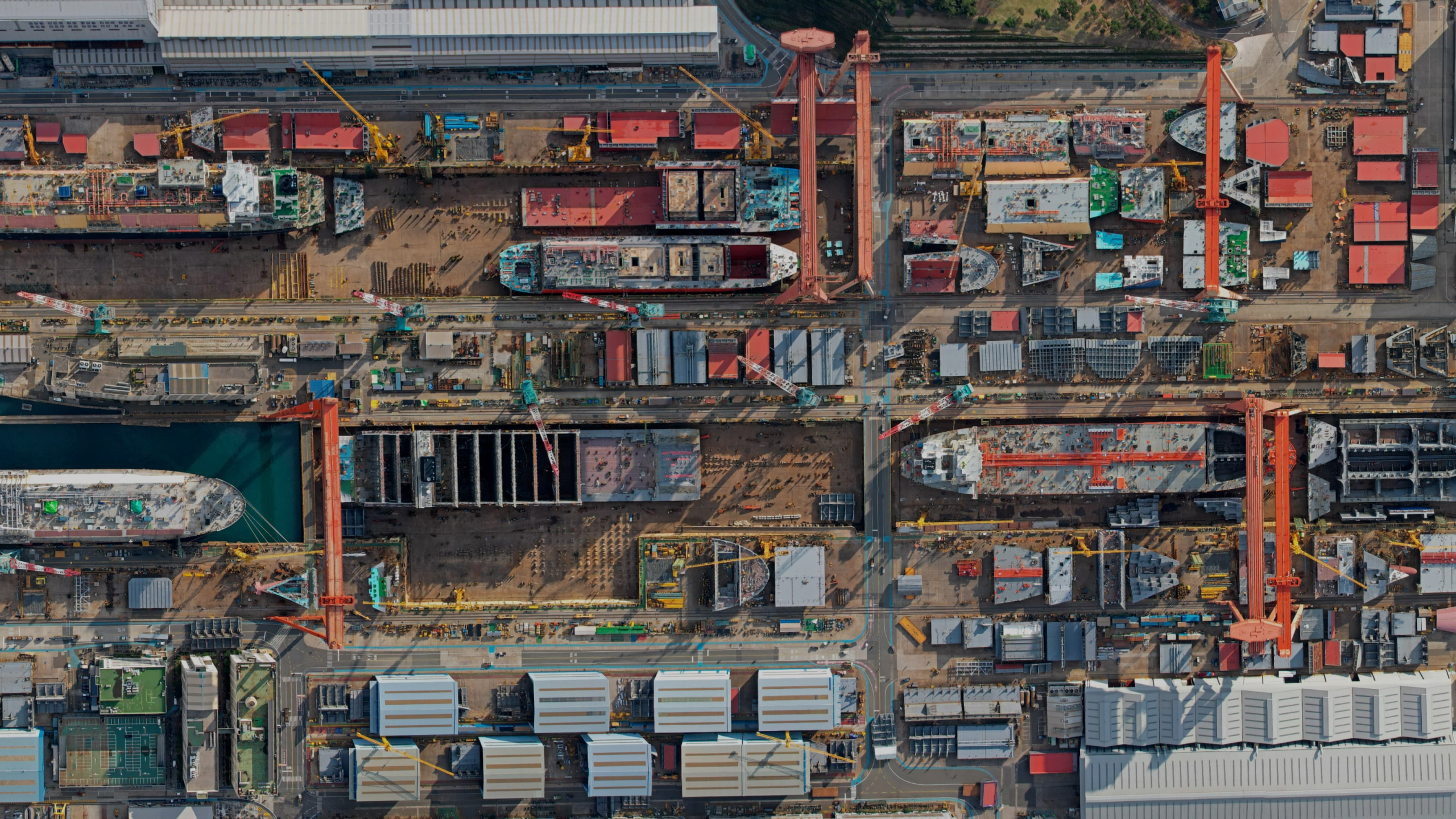
HD Korea Shipbuilding & Offshore Engineering (HD KSOE) has selected Siemens as a preferred partner to build an integrated platform that manages ship design and production as a single, end-to-end data flow across its global shipyard operations.
The planned system is positioned as the core foundation of the “Future of Shipyard” program, which targets completion by 2030. The effort is aimed at addressing long-standing breaks in data handover between engineering and production and establishing a more structured, digitally enabled shipbuilding environment.
Using the Siemens Xcelerator open digital business platform, the initiative is set to create a consistent digital thread of key data from design through production. A unified data backbone is intended to connect design and production in real time and reduce inefficiencies and errors linked to process-to-process data gaps.
Standardized data flows and system interoperability are expected to link domains such as CAD, product lifecycle management, digital manufacturing, automation, and simulation. This structure is intended to allow shipyard work—including planning, construction, expansion, and modification—to be reviewed in a virtual environment before on-site implementation.
The company also plans to broaden the use of model-based engineering and improve collaboration efficiency across organizations and functional teams. Block assembly, welding information, piping, and electrical data are to be managed within an integrated 3D model to improve design accuracy, optimize production planning, and standardize shop-floor operations.
The platform is expected to be applied across commercial and specialized ship types. Planned applications include structured management of equipment and component data, digital model-based performance analysis, lifecycle-oriented maintenance engineering, and technical support frameworks for overseas shipbuilding projects.
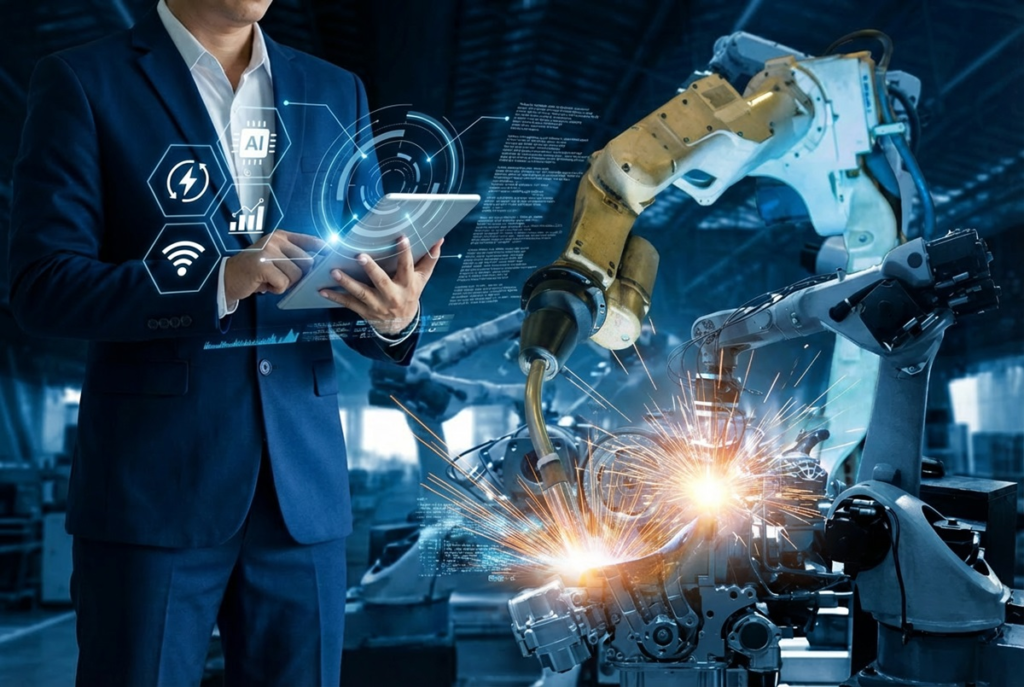
In parallel, the group is working on an Industrial Metaverse-based digital representation of ships and shipyard sites, and on “physical artificial intelligence” intended for complex production environments. The approach applies reinforcement learning using synthetic data and industrial intelligence in a virtual learning environment supported by Siemens Digital Twin technology.
The two companies plan a phased rollout expected to start in 2026, with application to operational vessels targeted from 2028.