Harbour Energy has entered into a $170 million deal to acquire every subsidiary of Waldorf Production and Waldorf Energy Partners, adding oil-weighted production and reinforcing its position in the UK North Sea.
The package is being bought out of administration and will be paid for using Harbour Energy’s existing liquidity. The company said the acquisition will immediately lift free cash flow in a material way and support both the competitiveness and the long-term durability of its UK operations.
The assets are expected to contribute about 20,000 boe per day of output and roughly 35 million boe of 2P reserves to Harbour Energy’s portfolio.
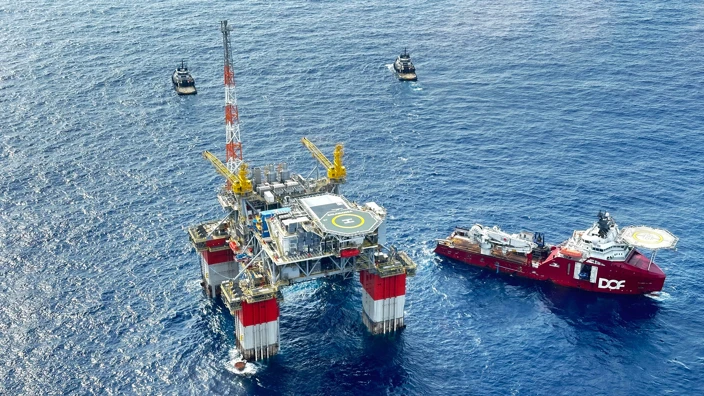
Following completion, Harbour’s operating interest in the Catcher field will rise from 50% to 90%, which the company expects will strengthen the financial position of the joint venture. The deal also brings a 29.5% non-operated stake in the Kraken oil field, giving Harbour Energy a fresh production hub in the Northern North Sea.
By folding Waldorf’s non-operated UK assets into its own organisation, Harbour Energy plans to capture operating synergies alongside a series of financial gains. These benefits include releasing about $350 million in cash that Waldorf has lodged to cover decommissioning obligations, underpinned by Harbour Energy’s investment-grade financial position, as well as taking on Waldorf’s UK tax losses within the ring-fence regime.
The companies aim to close the transaction in 2Q 2026, once regulators have approved the deal and all creditor claims against Waldorf’s subsidiaries have been finally settled.
Scott Barr, Managing Director of Harbour Energy’s UK business unit, said the transaction marks an important step in maintaining the company’s presence in the UK North Sea and builds on earlier measures taken to sustain its position in the basin amid ongoing tax and regulatory pressures. According to Barr, the deal helps to steady the Catcher joint venture, delivers an immediate boost to cash flow, and supports the long-term resilience of the company’s UK operations, the jobs associated with them, and their role in UK energy security. He also noted that the structure offers a way to address decommissioning and funding issues affecting several parties across the UK North Sea.