Equinor ASA and its partners made an oil and gas discovery close to the producing Gullfaks field in the Norwegian North Sea, with preliminary resources estimated at 1.3–3.8 million barrels of oil equivalent (boe), according to the Norwegian Offshore Directorate (NOD).
The find was confirmed in well 33/12-N-3 HH, the first exploration well drilled in production license (PL) 277. The partners were assessing whether the volumes could be tied back to existing Gullfaks infrastructure.
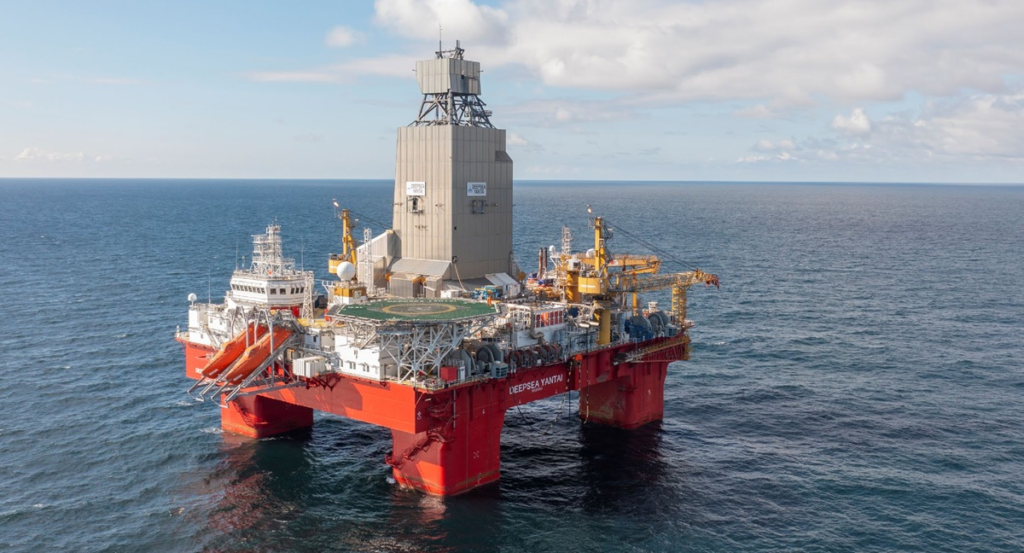
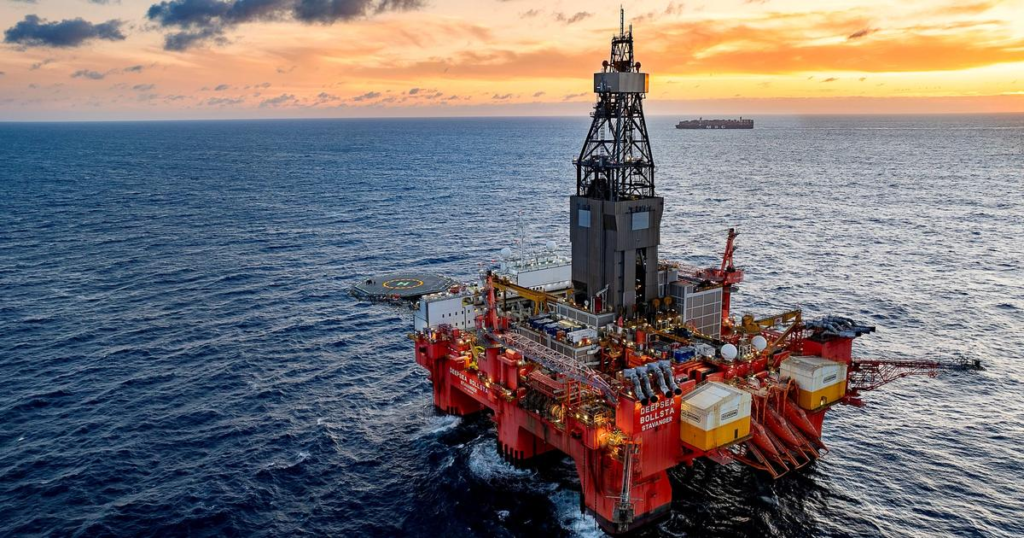
NOD said wells 33/12-N-3 HH (Granat) and 33/12-N-3 GH were drilled alongside an oil development well on the Gullfaks Satellites (33/12-N-3 IH) in production license (PL) 152. A separate well in PL 152 was dry.
The main goal for 33/12-N-3 HH was to prove hydrocarbons in reservoir rocks in the Tarbert Formation, with secondary targets in the Ness and Etive formations. All three units sit within the Middle Jurassic Brent Group, NOD reported.
In sidetrack 33/12-N-3 HHT2, NOD recorded 153 m in the Tarbert Formation, including 58 m of sandstone layers with moderate reservoir quality. The well also encountered 162 m in the Ness Formation with 47 m of sandstone layers described as moderate to good, and 26 m of sandstone layers in the Etive Formation assessed as poor to moderate.
NOD said the Tarbert Formation contained gas, while the Ness and Etive formations were filled with oil/condensate.
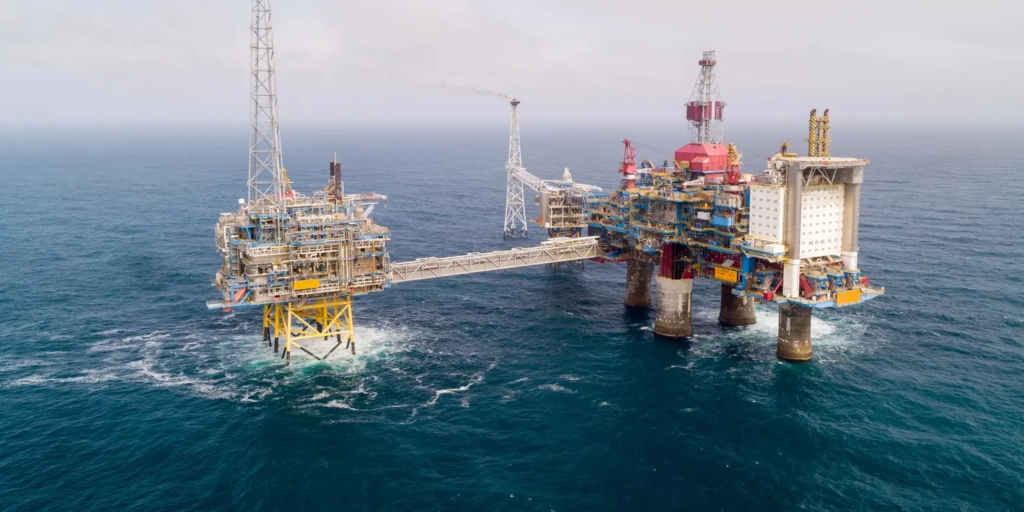
The Equinor ASA-operated Gullfaks field started production in December 1986 and has three integrated processing, drilling and accommodation facilities, NOD noted.