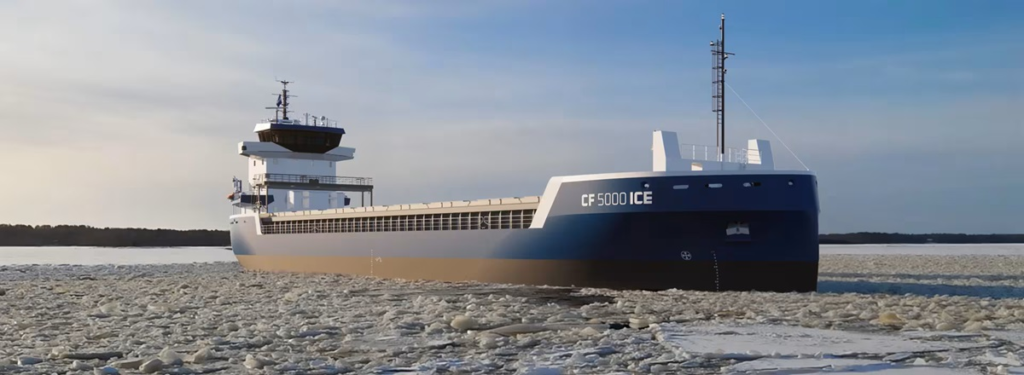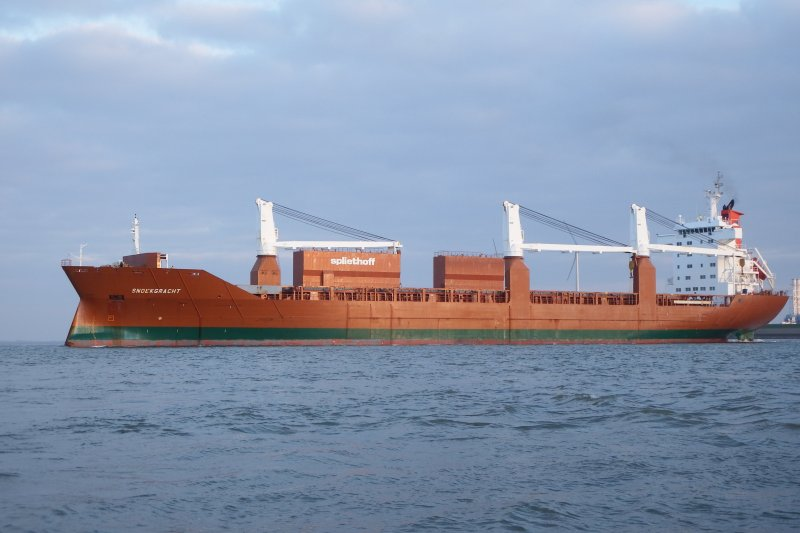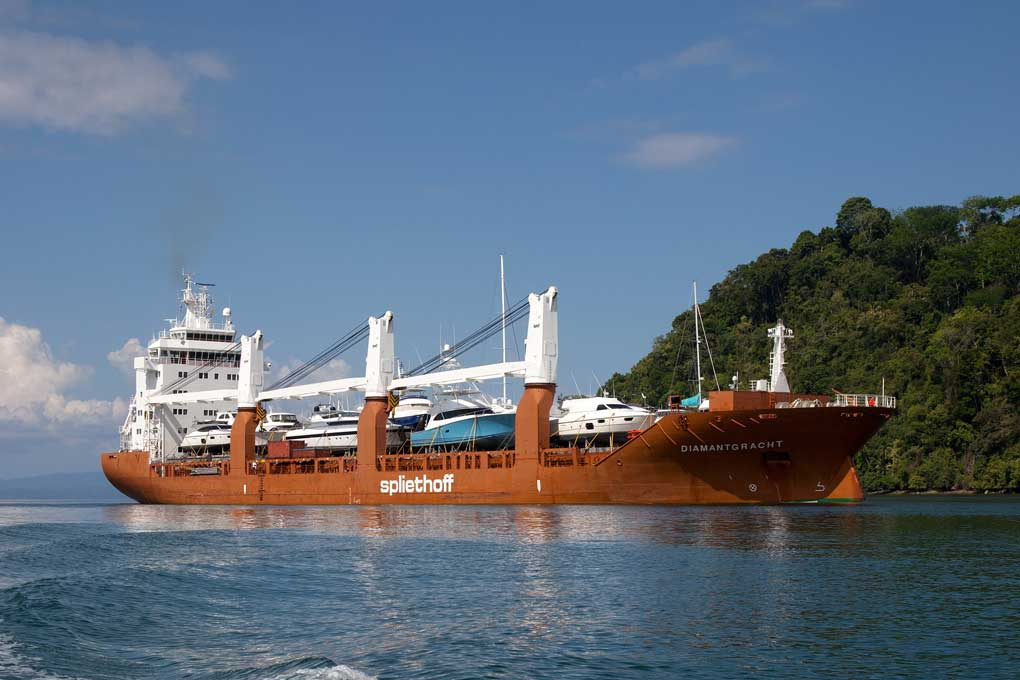
Echandia, a leading Swedish developer of advanced battery systems for maritime use, has secured a deal to supply Spliethoff Group with energy storage solutions for eight newly built cargo vessels. These vessels are currently under construction at Wuhu Shipyard in China, with WE Tech Solutions acting as the system integrator.
The energy storage systems, specifically designed for cargo loading and unloading operations, will help optimize generator efficiency during these demanding tasks. These systems are engineered to handle short yet intense power bursts required for the cargo operations, providing an efficient and reliable solution.
Torbjorn Back, CEO of Echandia, highlighted that this project exemplifies how battery systems can enhance operational efficiency in applications beyond propulsion. “By partnering with Spliethoff, WE Tech Solutions, and Wuhu Shipyard, we’re offering a more energy-efficient approach to cargo handling operations,” Back explained.
Echandia’s LTO battery systems are designed to withstand short, intense operational cycles without the wear and degradation typically seen in other battery types. Unlike other systems that require larger, more costly battery solutions to meet power demands, Echandia’s technology maintains full performance in a compact design. Additionally, these systems are built for long-term reliability, with a projected lifespan of up to 20 years, significantly outlasting other options available on the market.
Each of the eight vessels will be equipped with a dedicated battery system designed specifically for cargo loading and unloading operations. This setup will not only stabilize engine load but also improve fuel efficiency and reduce mechanical wear. Moreover, the battery systems will reduce the vessel’s reliance on shore power, contributing to a more sustainable operation.
These vessels will primarily operate on the Finland–USA trade route, transporting paper and other goods. The first shipment of Echandia’s battery systems is scheduled for April 2027, with the vessels expected to be commissioned by late 2027 or early 2028.