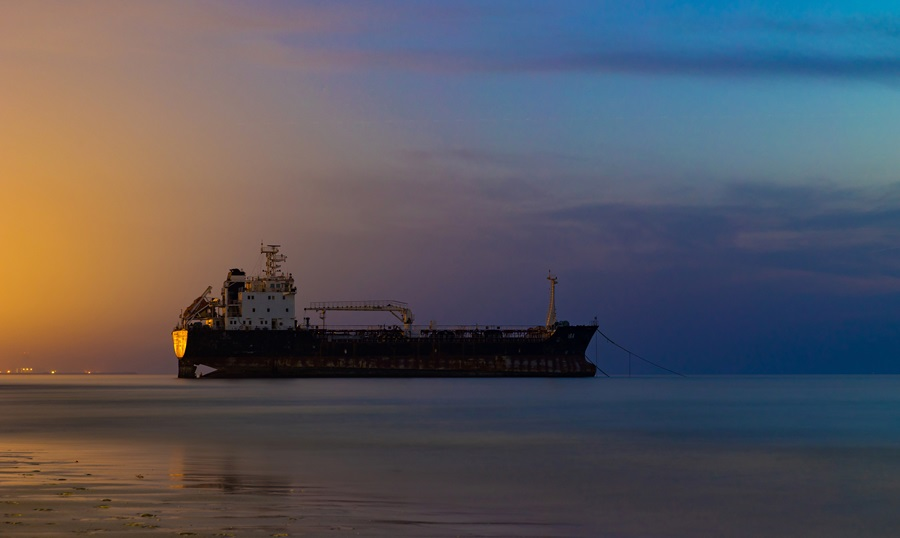
A Reuters investigation has detailed how a “dark fleet” of tankers enabled the Jalisco New Generation Cartel (CJNG) to build a large-scale fuel smuggling operation into Mexico, exploiting loopholes in the U.S. energy and shipping sectors.
According to more than 50 interviews and documents reviewed by Reuters, the cartel moved from small-scale fuel theft to employing tankers since about 2020, a shift which required significant logistics, front companies and corruption at ports. Reuters The scheme involves importers in the U.S. who help procure or transport fuel which is then relabelled—often as “lubricants” or other exempt products—to avoid Mexico’s high tax on imported diesel and gasoline (known as IEPS).
One exporter named in the investigation is Ikon Midstream, a Houston-based fuel trader. Reuters found that Ikon arranged at least five maritime shipments of diesel to Mexico that were declared as additives or lubricants. Reuters In one case a tanker named Torm Agnes picked up Canadian diesel, but upon arrival in Mexico its paperwork described the cargo as a petrochemical for industrial lubricants.
Mexican and U.S. authorities estimate the illegality carries huge cost in lost revenues: one source familiar with the matter told Reuters the trade cost Mexico nearly US $4 billion in 2024 alone. Reuters The fuel is ultimately sold through unlicensed stations, factories and mines at steep discounts compared with legitimate imports, putting pressure on honest companies. Even major players such as Shell reportedly exited the Mexican retail fuel market partly because of competition from cheaper illicit product.
In Mexico a corruption scandal has emerged around the nation’s navy, which oversees many port operations. One tanker seizure in the port of Tampico involved 10 million litres of diesel and led to arrests of officials, business executives and former customs officers.
U.S. officials say the involvement of legitimate-looking companies acting as cover for the smuggling network creates a significant compliance risk for U.S. firms. Former U.S. sanctions official Greg Gatjanis described the cartel’s supply-chain system as posing “an enormous business risk”.
Sources: Reuters