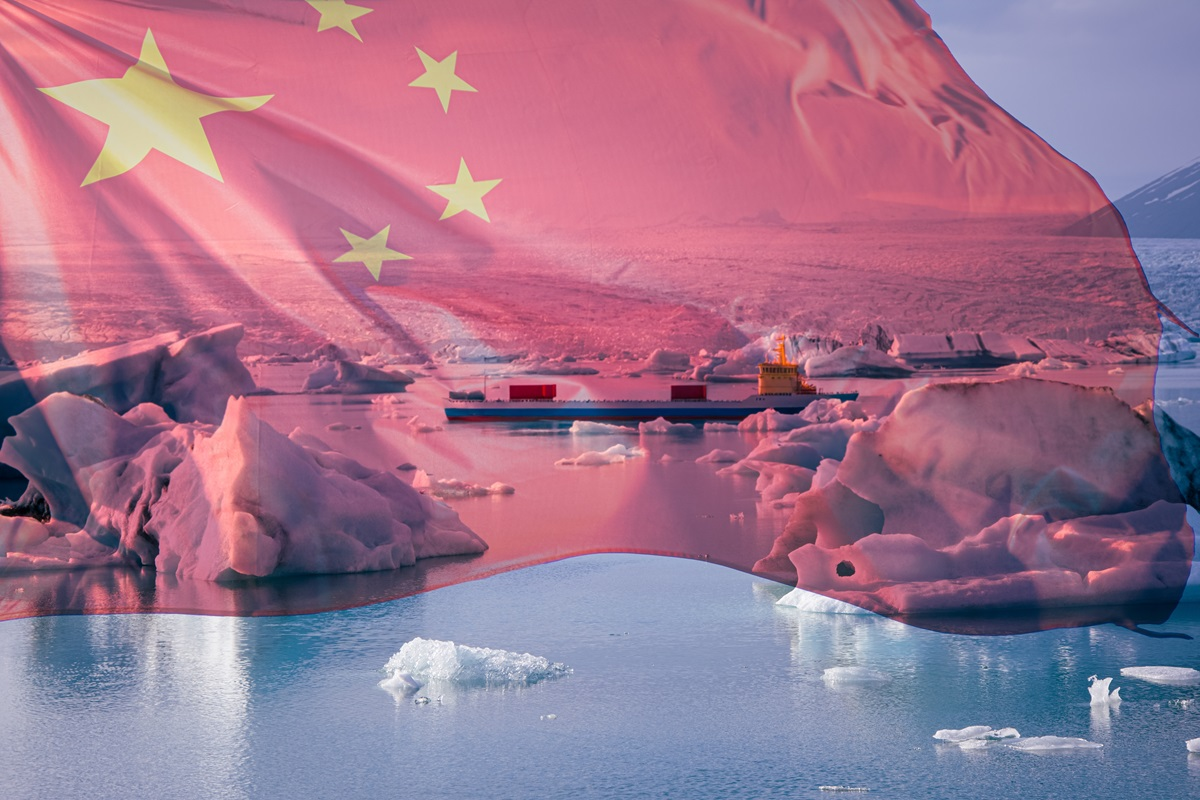
China increased container use of the Northern Sea Route (NSR) in 2025, completing 14 Asia–Europe container voyages. The total rose from 11 voyages in 2024 and seven in 2023, continuing an upward trend in Chinese-led activity on the seasonal Arctic route.
Operators have pointed to the NSR’s shorter distance between northern China and Europe compared with the Suez Canal route, and Chinese carriers have indicated plans to build on 2025’s volumes. NewNew Shipping Line and Sea Legend have signaled an expanded Arctic container offering in 2026, with additional sailings and efforts to improve schedule reliability within the limited summer window.
In 2025, the container season started on 16 July 2025 when NewNew Polar Bear departed Shanghai for Arkhangelsk, and it ended on 30 October 2025 with Xin Xin Tian 2 transiting from Shanghai to Kaliningrad. The navigation window was about three weeks shorter than the previous year because sea ice formed earlier in the eastern sections of the route.
Russia’s state-owned nuclear icebreaker operator Rosatomflot said 2025 was a record year for containerised cargo on the NSR, reporting volumes of about 400,000 tonnes. The company said this represented a 2.6-fold increase versus 2024.
Among the season’s headline voyages, Istanbul Bridge completed what was described as the first direct container connection between China and the United Kingdom via the NSR. The ship made the passage in 20 days, averaging 16.7 knots along the Arctic leg.
Broader NSR traffic also reached a new high in 2025, with authorities reporting 103 transit voyages carrying about 3.2 million tonnes of cargo, dominated by crude oil, liquefied natural gas and bulk commodities. Regular container services have remained limited despite years of discussion: Maersk carried out a one-off 2018 trial with Venta Maersk, but Maersk and most other major Western container lines have repeatedly said they do not plan routine NSR services, citing environmental concerns, infrastructure limits, insurance challenges and uncertain economics. As a result, container activity has been driven mainly by Russian and Chinese interests, backed by Russia’s nuclear-powered icebreakers and state-supported Arctic infrastructure development.