Strategic Context and Deal Structure
The planned merger between Saipem of Italy and Subsea 7 of Norway is structured as a share-swap, giving each company’s shareholders equal stakes in the new entity, Saipem7. The transaction, announced in early 2025 and formalized through a binding agreement in July, is expected by the companies to create one of Europe’s largest energy service groups.
According to corporate disclosures, Saipem7 is projected to hold an order backlog of about €43 billion, generate annual revenues of around €21 billion, and deliver over €2 billion in EBITDA. The companies also stated that they target €300 million in annual cost synergies within three years of completion.
In Italy, the government approved the deal on September 18, 2025, subject to conditions under its “golden power” rules, requiring Saipem to maintain certain strategic activities — such as underwater technology projects — within the country. Both Saipem and Subsea 7 shareholders approved the merger in September 2025. The companies expect the deal to close in the second half of 2026, pending antitrust reviews, including in Brazil.
Objections Filed in Brazil
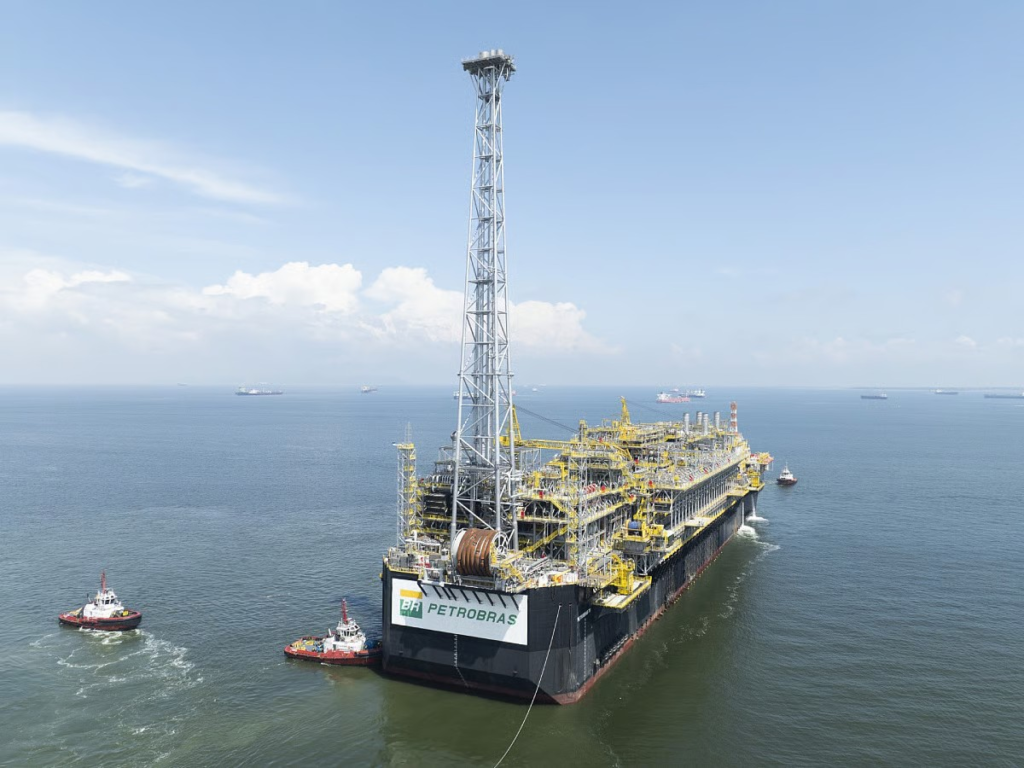
On September 18, 2025, Petrobras, ExxonMobil, and TechnipFMC each submitted petitions to Brazil’s Administrative Council for Economic Defense (CADE), raising objections to the merger.
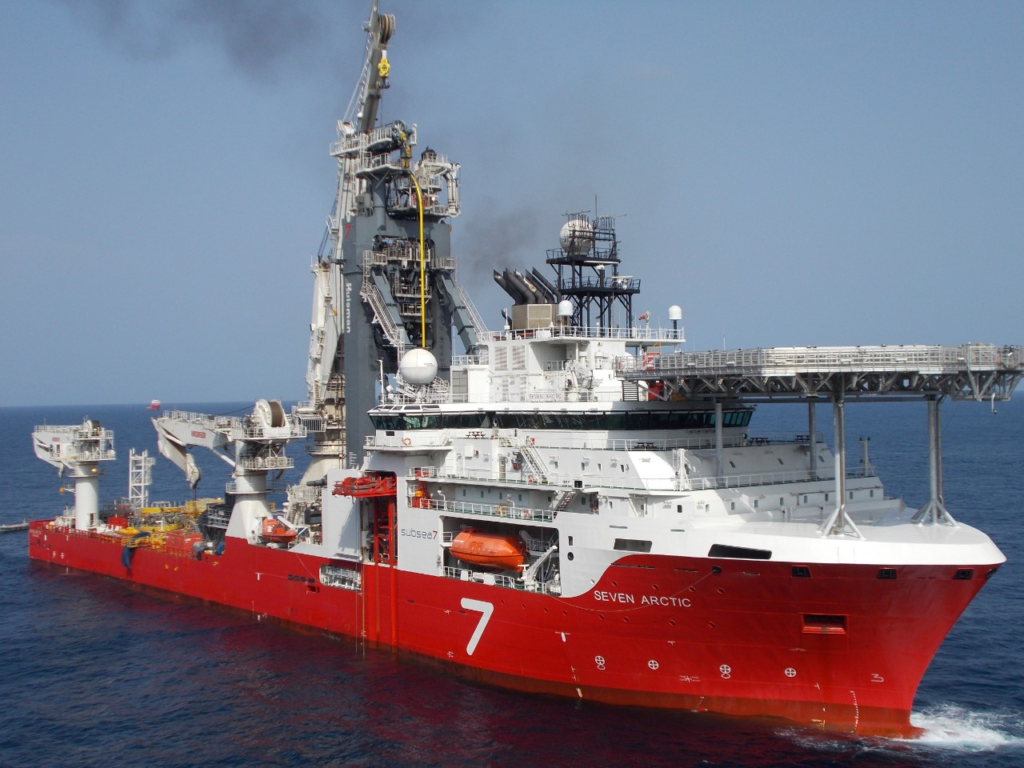
In its filing, Petrobras claimed that the merger could increase concentration risks in subsea engineering, procurement, construction, and installation (EPCI) contracts and in the pipe-laying support vessel (PLSV) market. Petrobras’s petition stated that a large portion of its active subsea contracts and mapped PLSVs are tied to either Saipem or Subsea 7. It also argued that the companies together hold a significant share of the PLSV charter fleet, which, in its view, could result in higher costs in subsea umbilicals, risers, and flowlines (SURF) projects.
TechnipFMC argued in its submission that competition risks should be assessed separately for rigid and flexible pipe installation capacity, warning that these are not interchangeable services. According to TechnipFMC, the combined entity would control a considerable share of the vessels available for large-scale EPCI projects, potentially reducing competitive dynamics in both short-term SURF contracts and long-term PLSV chartering.
ExxonMobil stated that the applicants’ proposed market definition was too broad. The company urged CADE to focus on deepwater rigid pipe installation, where the merged fleet would, in ExxonMobil’s view, gain a dominant position across J-lay, Reel-lay, and S-lay technologies. ExxonMobil further cautioned that vessel utilization levels in 2025 were already very high, which could limit entry opportunities for competitors and increase structural constraints.
The three companies requested that CADE either block the merger or impose remedies — such as asset divestitures or restrictions — to safeguard competition in Brazil’s subsea market.
Brazil’s Deepwater Context
Industry analysts note that Brazil’s deepwater sector is uniquely exposed to competition risks because of vessel scarcity, long procurement cycles, and high fixed costs. These conditions make the market more vulnerable to supplier concentration.
CADE will therefore need to decide whether to adopt the applicants’ broad market definition or the narrower scope suggested by the petitioners. If it agrees with the narrower definition, the merger could be seen as producing excessive concentration, which might lead to remedies such as divestments or limits on vessel deployment.
Potential Outcomes
CADE may approve the merger with conditions, such as divesting certain assets or imposing restrictions on market participation. It could also delay or block the deal if remedies are deemed insufficient.
Even if approved, regulatory obligations and compliance measures may affect Saipem7’s ability to fully realize its projected synergies. The final decision in Brazil will not only shape the country’s subsea services market but also signal how regulators in Latin America may approach future consolidation in specialized offshore industries.