Maryland officials report that rebuilding the Francis Scott Key Bridge is now projected to cost as much as $5.2 billion, with the reopening moved to late 2030, roughly two years later than earlier plans. The Maryland Transportation Authority (MDTA) presented a revised estimate of $4.3 billion to $5.2 billion, citing higher material prices, updated federal resilience requirements and a large pier-protection system intended to prevent another ship impact. The range more than doubles the $1.7 billion estimate released shortly after the collapse, to $1.9 billion.
Acting transportation secretary and MDTA chair Samantha Biddle stated that the project’s importance extends beyond the immediate region. She referenced plans for protective fenders larger than a football field, and noted that the longer main span and increased deck height reflect current ship sizes and engineering standards.
Officials explained that early cost figures were compiled in less than two weeks to secure federal emergency funding. Since that time, inflation and construction-market volatility have intensified, with U.S. highway construction costs rising about 72% over five years, according to federal data.
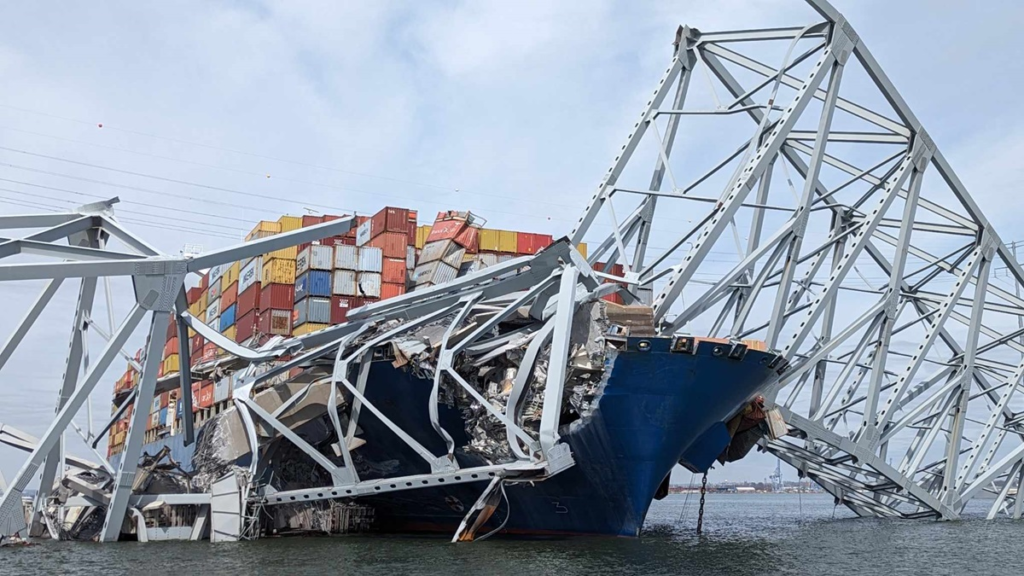
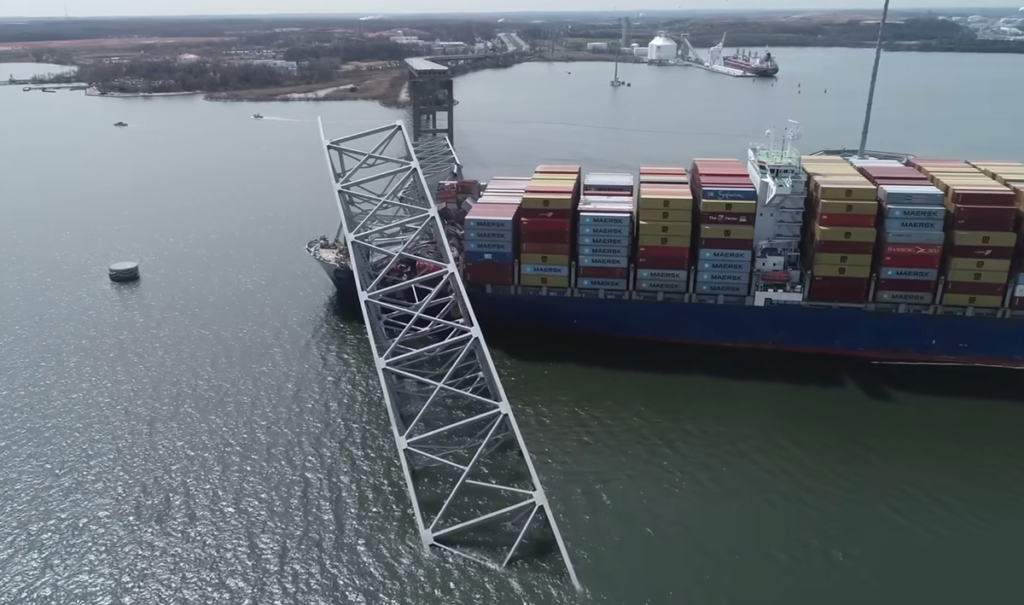
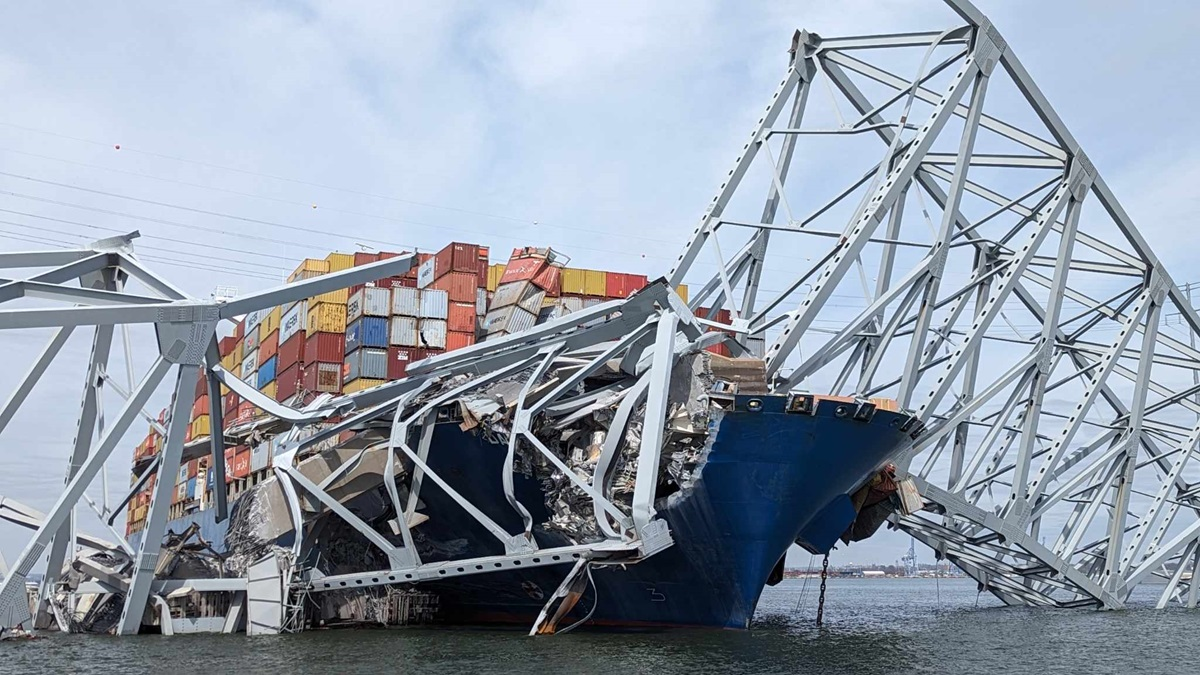
The bridge fell on 26 March 2024, when the containership Dali experienced two electrical failures, lost propulsion and struck a major support pier, resulting in the deaths of six construction workers. Maryland continues legal action against the vessel’s owner and manager, alleging gross negligence, with any recovery intended to offset federal emergency expenditures. Additional cases linked to the incident remain active, and much of the port was closed for many weeks following the collapse.
The National Transportation Safety Board is scheduled to meet today to determine the probable cause of the Dali’s loss of power and the subsequent collapse.