U.S. forces carried out a pre-dawn boarding of the crude oil tanker Olina on 9 January 2026, with U.S. Southern Command saying the vessel was apprehended in the Caribbean Sea “without incident” during an operation conducted with the Department of Homeland Security.
Southern Command said Marines and sailors from Joint Task Force Southern Spear launched from USS Gerald R. Ford and secured the motor/tanker. In the same statement, the command said the action was backed by the U.S. Navy’s Amphibious Ready Group, listing USS Iwo Jima, USS San Antonio, and USS Fort Lauderdale.
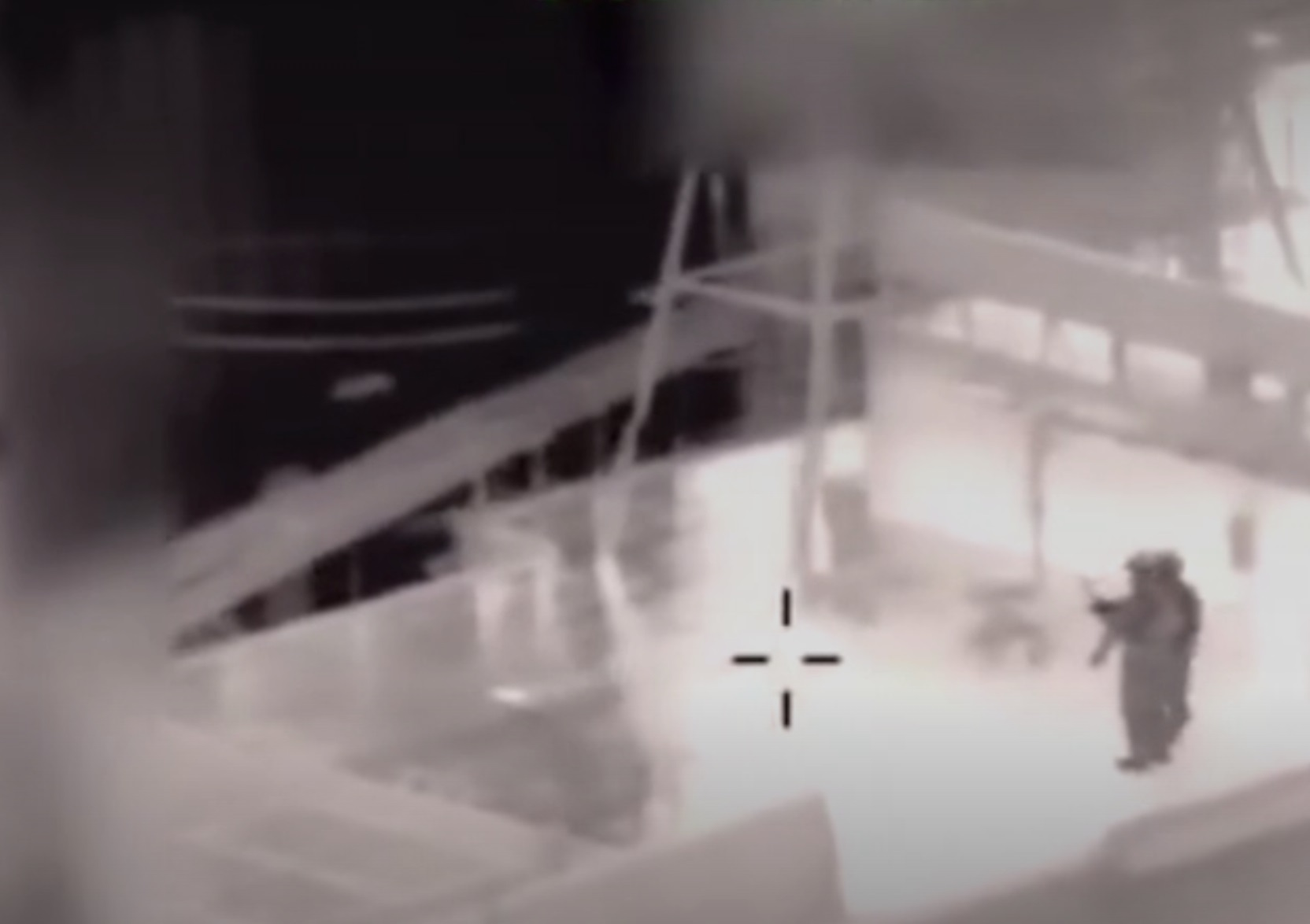
U.S. Homeland Security Secretary Kristi Noem described the ship as another “ghost fleet” tanker suspected of carrying embargoed oil, and said it had departed Venezuela while attempting to evade U.S. forces. She also posted unclassified video of the boarding, which showed a helicopter landing on the vessel and personnel forcing entry into an internal door.
Reuters reported that Olina was previously sanctioned by the United States in January 2025, when it operated under the name Minerva M, and that shipping data showed the tanker was falsely flying the flag of Timor-Leste. An industry source cited by Reuters said the tanker had previously sailed from Venezuela and had returned to the region.
The Olina boarding followed other recent U.S. actions against tankers linked to Venezuelan oil exports. On 7 January 2026, Southern Command said it intercepted the tanker M Sophia before dawn and described it as a “stateless” sanctioned vessel. Panama’s maritime authority later said it had cancelled the ship’s flag on 23 January 2025. Reuters also reported that Bella-1—recently renamed Marinera and described as Russian-flagged—was seized the same day in the North Atlantic near Iceland.
In December 2025, four UN human rights experts criticised the U.S. announcement of a blockade targeting sanctioned oil tankers going into and out of Venezuela, saying unilateral sanctions should not be enforced through an armed blockade.