Qatar’s Ministry of Transport has ordered all vessels within its territorial waters to suspend navigation due to what it described as a “technical GPS fault.” The government said the measure is temporary but did not specify when navigation would resume.
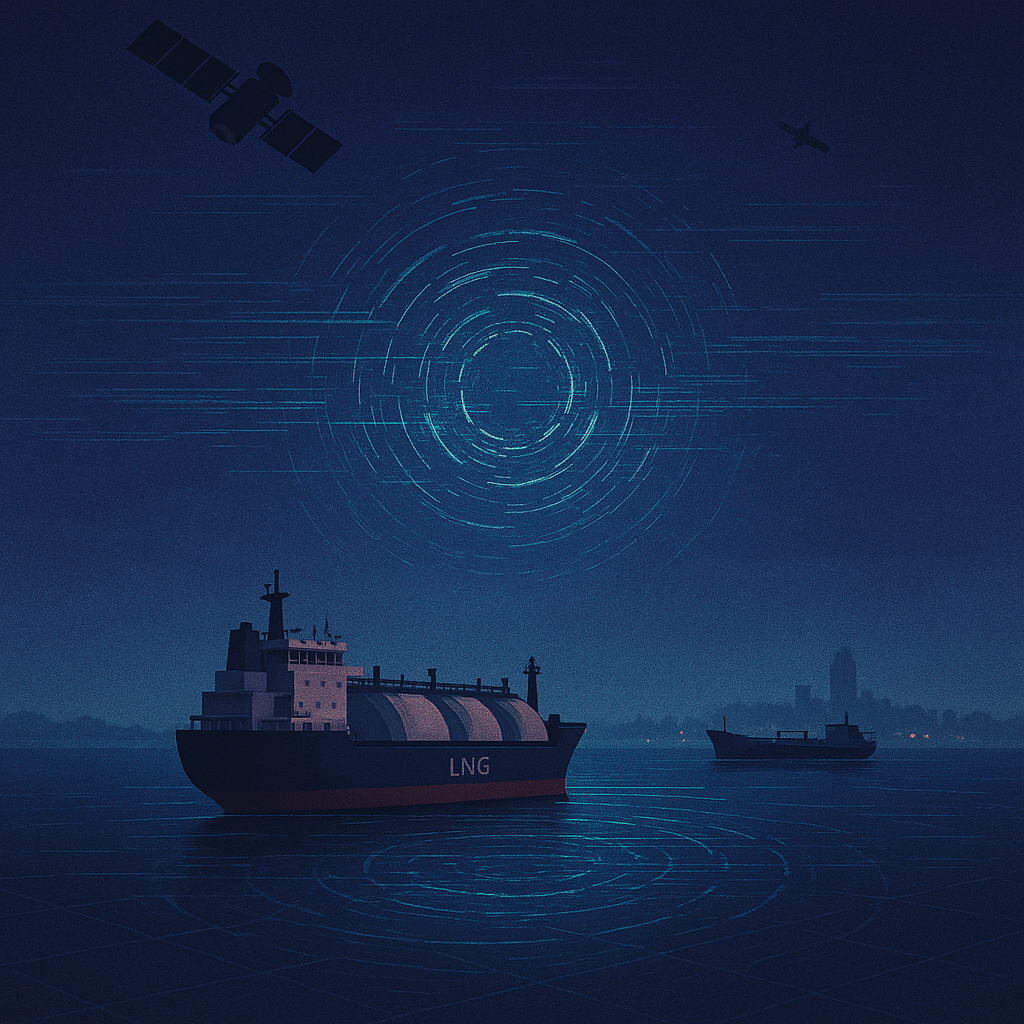
Officials have not disclosed details about the malfunction, but experts suspect interference or spoofing, a form of electronic signal manipulation that misleads GPS systems. Similar disruptions have been reported across the Arabian Gulf in recent months, where vessel and mobile device locations were mistakenly registered as being in neighboring countries.
The rare directive caused confusion among shipping operators. Despite the order, vessel-tracking data indicated that several merchant ships and LNG carriers continued to operate near Doha and Ras Laffan, Qatar’s key industrial ports. LNG exports appeared to proceed as usual, highlighting the country’s heavy reliance on uninterrupted maritime logistics to maintain global gas supplies.
Analysts suggest that the move could reflect growing geopolitical tensions in the Gulf, where electronic interference is sometimes used as a low-visibility pressure tactic. Historically, GPS faults in maritime zones—such as those seen in the Baltic Sea—have caused navigation anomalies but seldom led to full-scale navigation shutdowns.
Qatar’s precautionary suspension underscores the increasing vulnerability of global maritime infrastructure to electronic disruption, a threat that could have broader implications for international shipping security and trade stability.