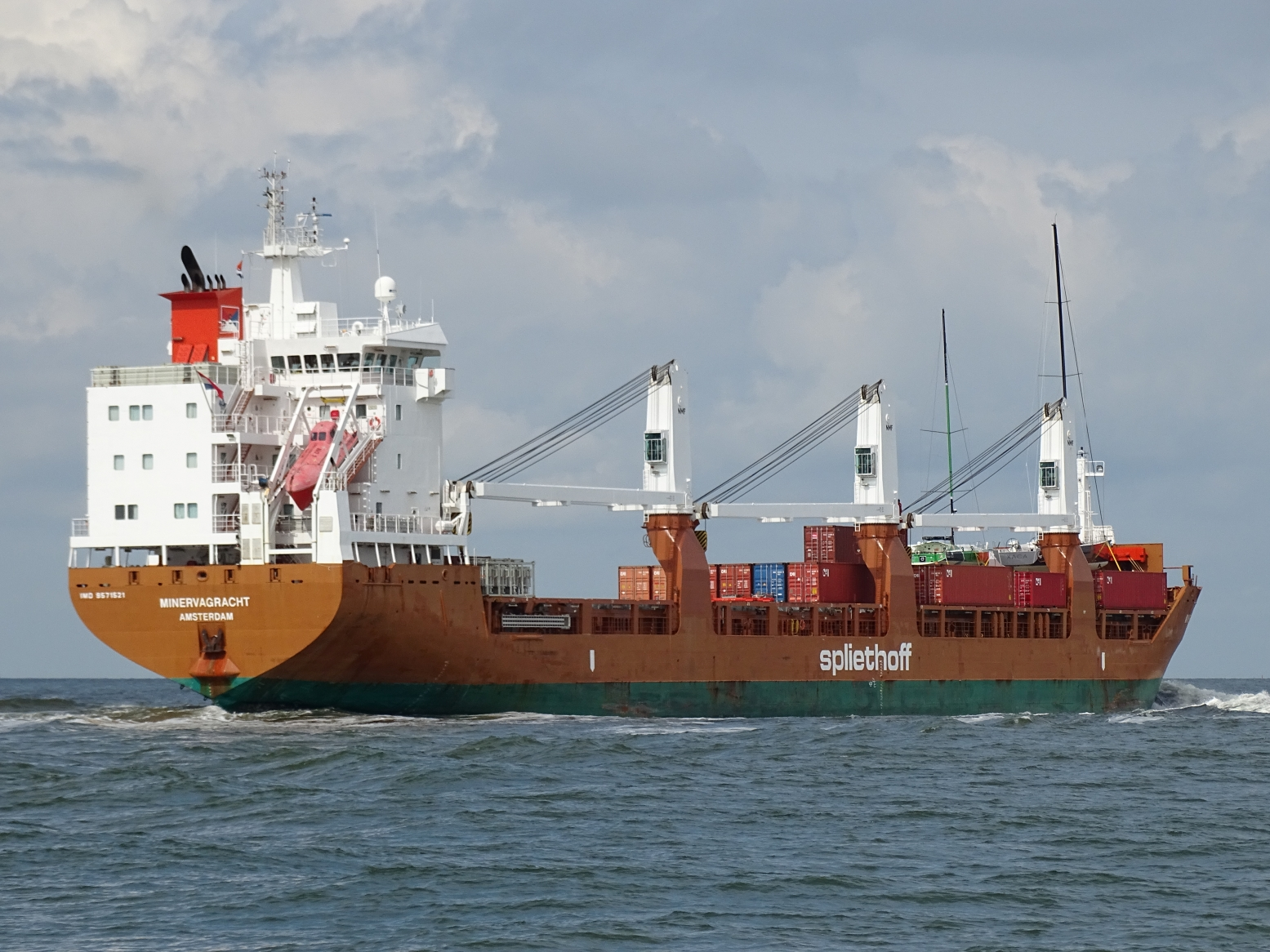
The missile strike on the Dutch-flagged cargo ship Minervagracht in the Gulf of Aden has cast a new spotlight on the growing insecurity of the Red Sea corridor, underscoring the vulnerability of international shipping lanes already strained by conflict and geopolitical rivalry.
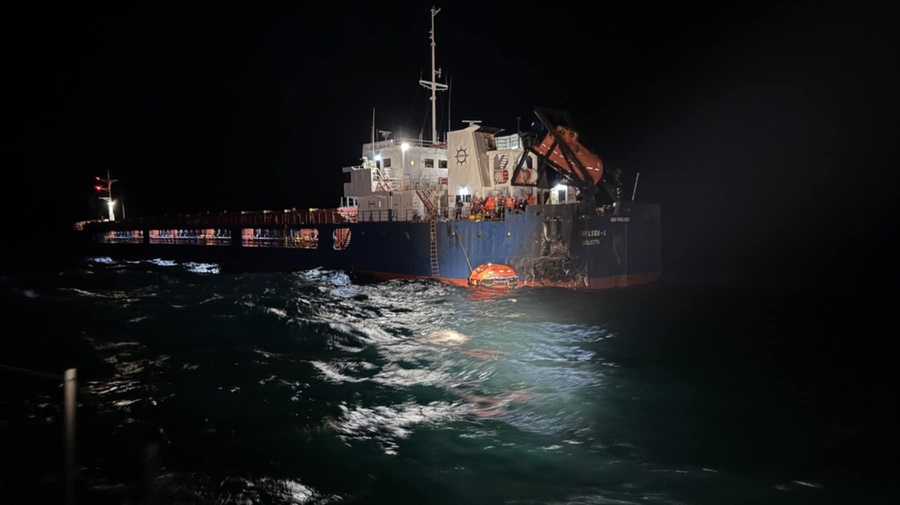
All 19 crew members were successfully evacuated in a joint naval operation involving European warships. Two seafarers sustained injuries; one required air evacuation for treatment in Djibouti, while the other received care at sea. The remainder have since been repatriated. The ship, however, was left unmanned and remains adrift, its hull severely damaged and fires reported onboard. Maritime authorities have warned that the drifting vessel presents a navigational hazard until it can be secured by specialized salvage teams now mobilizing in the region.
Spliethoff, the ship’s owner, confirmed the evacuation and condemned the attack, calling it “an assault on innocent seafarers and a blatant violation of free navigation.” The company also announced that towage and salvage experts are coordinating recovery efforts, though the full extent of the damage raises doubts about whether the vessel can be safely restored.
The incident occurred shortly after Yemen’s Houthi movement claimed responsibility for targeting the Minervagracht, alleging connections to Israeli-linked trade. This claim fits a pattern of Houthis seeking to disrupt shipping routes they associate with Western or Israeli interests, a strategy that has intensified over the past year. Analysts warn that this escalation signals not just opportunistic attacks but a broader strategy aimed at deterring international commercial flows through one of the world’s busiest maritime chokepoints.
The consequences for the shipping industry could be far-reaching. Insurance premiums for vessels transiting the Red Sea and Gulf of Aden are already climbing, and attacks like this are likely to accelerate risk assessments and rerouting decisions. Some operators have begun to avoid the Suez corridor altogether, diverting around the Cape of Good Hope—an option that extends voyages by thousands of nautical miles and adds considerable fuel costs.
Beyond commercial shipping, the strike carries geopolitical weight. It reinforces the Houthis’ capacity to project power beyond Yemen’s borders, targeting not only regional adversaries but also global trade networks. For Western nations and oil majors operating in the area, the attack is a warning that maritime assets remain firmly within the scope of regional conflicts. Naval coalitions have intensified patrols in response, but the sheer size of the sea lanes poses challenges to comprehensive protection.
The fate of the Minervagracht remains uncertain, but its plight is emblematic of a wider crisis. With tensions escalating, maritime stakeholders face a period of heightened volatility where shipping routes once considered secure are now potential flashpoints. As the Red Sea increasingly becomes a theater of geopolitical contestation, the risks borne by global trade may continue to mount.
Third Update on MV MINERVAGRACHT (September 30th, 2025)
Video documenting the Search and Rescue (SAR) operation, which EUNAVFOR ASPIDES successfully concluded.@eu_eeas @ItalianNavy @MarineNationale @NavyGR pic.twitter.com/lxNMr9BHcA
— EUNAVFOR ASPIDES (@EUNAVFORASPIDES) September 30, 2025