1 October 2025 — China has taken a decisive step in the escalating maritime dispute with the United States by revising its maritime regulations to counter upcoming port fees on Chinese vessels. The move underscores Beijing’s determination to shield its shipping sector from what it considers discriminatory U.S. measures and highlights the growing complexities in global supply chain management.
The revised rules, signed by Premier Li Qiang and effective from 28 September, authorize China to impose reciprocal actions against countries that restrict Chinese ships, operators, or crew members. This includes the ability to deny port entry, impose additional charges, or introduce compliance requirements for foreign carriers. Analysts view the update as China’s most direct regulatory response to U.S. maritime policies in recent years.
The United States is preparing to enforce phased service fees on Chinese-owned and Chinese-built vessels calling at U.S. ports. Starting on 14 October, these charges will be gradually expanded over three years. U.S. officials argue the measure is aimed at leveling competition and addressing what they see as Beijing’s structural advantages in shipbuilding and state-backed shipping subsidies. Beijing, however, has condemned the move as protectionist and disruptive to established trade flows.
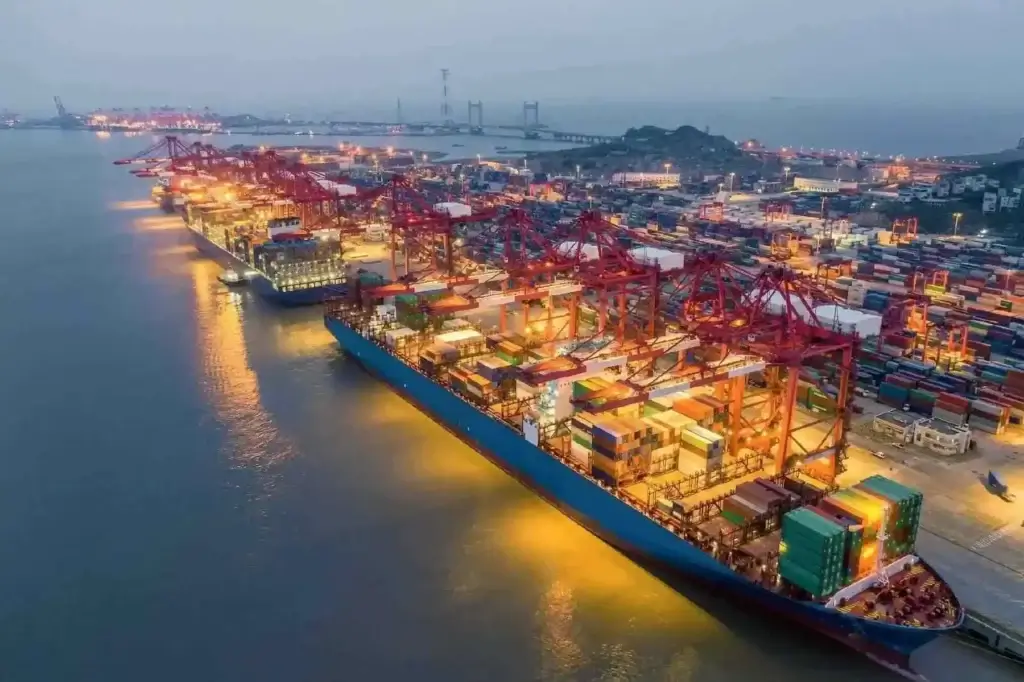
Major container lines have responded cautiously. Hapag-Lloyd, Maersk, and HMM have reassured customers that they will not apply additional surcharges for now, emphasizing service continuity. Some operators have already begun adjusting their fleet strategies, with several Chinese-built ships reportedly redeployed to non-U.S. routes to minimize exposure. Hong Kong-based OOCL, however, has publicly committed to maintaining its service schedules in U.S. ports despite the looming costs.
The new Chinese regulations also place obligations on international shipping platforms operating within its jurisdiction. These companies must provide operational data to Chinese transport authorities, a move that industry experts say could increase compliance burdens and create new uncertainties for foreign logistics providers.
The political context is equally significant. On 19 September, President Xi Jinping engaged in a direct call with U.S. President Donald Trump, warning that unilateral restrictions risk undermining progress made in earlier trade negotiations. Washington has signaled it will proceed regardless, framing the fees as part of broader efforts to secure U.S. economic interests in critical industries, including shipbuilding.
Industry observers note that this regulatory confrontation introduces a new layer of volatility to global shipping, particularly for carriers operating on trans-Pacific routes. With both China and the U.S. digging in, freight operators may face higher costs, rerouted trade flows, and longer-term uncertainty over market access. The situation, analysts say, could reshape carrier strategies for years to come if neither side softens its stance.