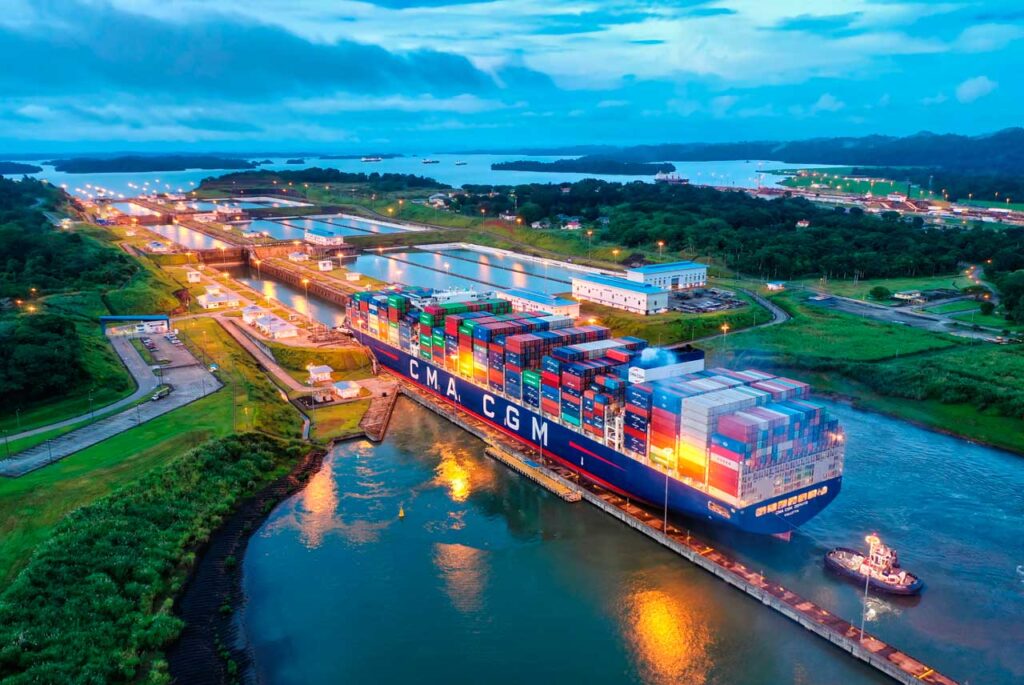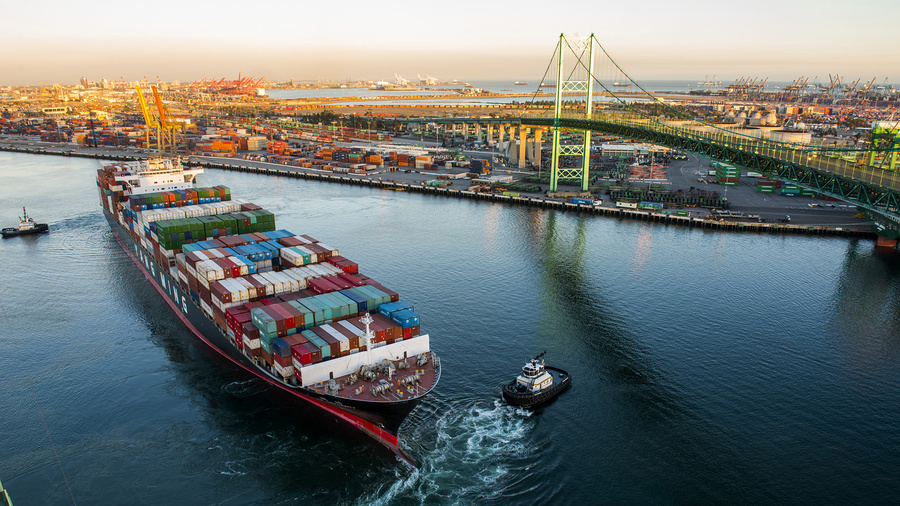
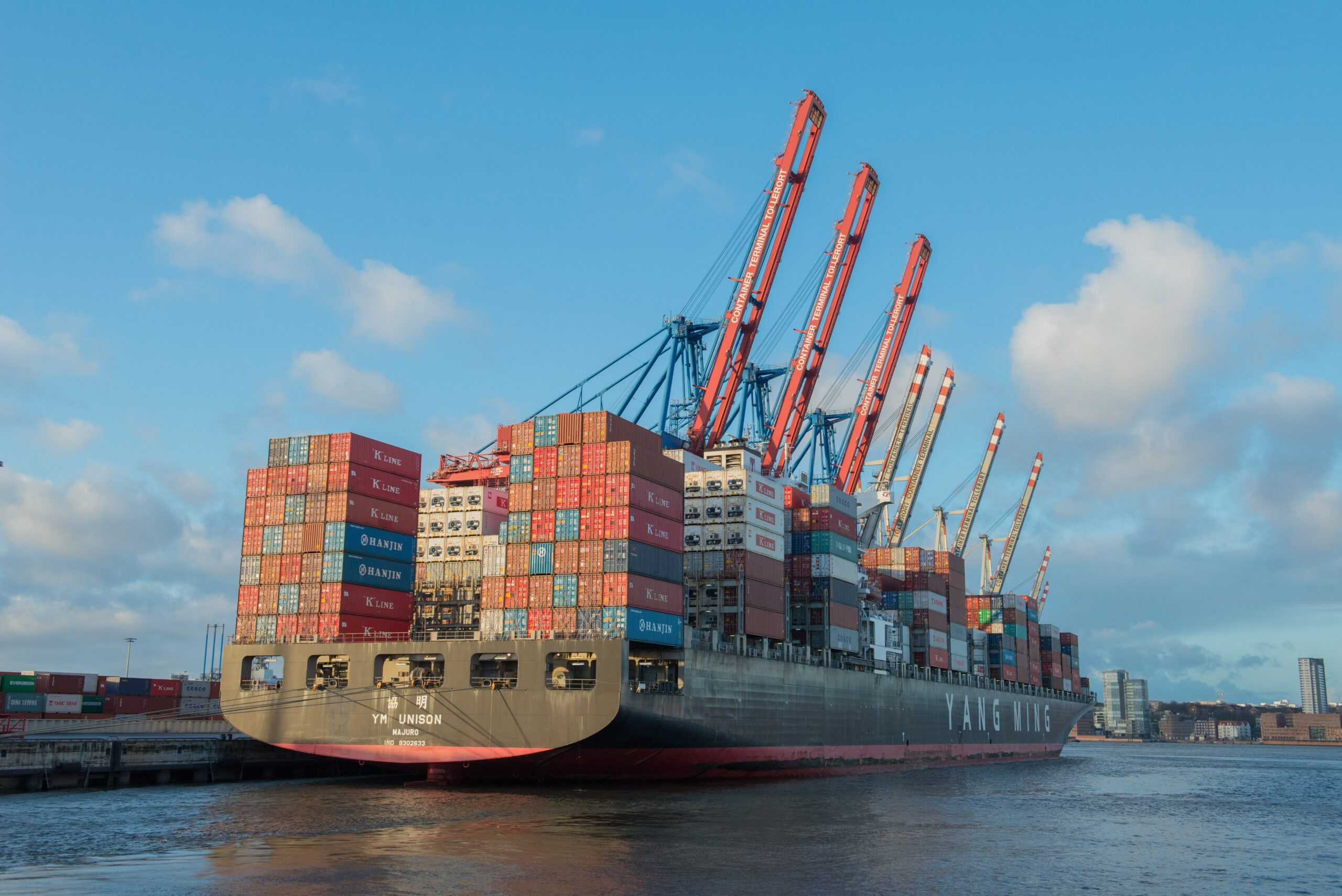
The United Nations Conference on Trade and Development (UNCTAD) has issued a stark warning that global maritime trade is entering a period of unprecedented strain. In its latest Review of Maritime Transport 2025, the UN projects that seaborne trade, which accounts for over 80% of global goods movement, will nearly stall next year, growing by just 0.5%, compared to 2.2% in 2024.
Shipping Routes Under Pressure
UNCTAD’s analysis highlights how geopolitical instability has forced shipping companies to abandon traditional routes. The Suez Canal, once a key artery for global container flows, has seen its traffic collapse by 70% compared with 2023 due to Red Sea security risks. Vessels are now rerouting around the Cape of Good Hope, adding weeks to transit times and escalating fuel and insurance costs. Similarly, vulnerabilities in the Strait of Hormuz are amplifying concerns for both energy and containerized trade.
While overall trade volumes remain sluggish, the UN notes a sharp rise in ton-miles, with cargo distance traveled increasing by 6% in 2024 — three times the pace of volume growth. This means that while goods are not moving in greater numbers, they are traveling much farther, resulting in higher costs, delays, and carbon emissions.
Supply Chain Fragility and Economic Risks
According to the UN, supply chains remain fragile under the weight of volatile freight rates, port congestion, and equipment shortages. Rising operational risks are particularly damaging for developing economies that depend on affordable and predictable shipping to sustain trade competitiveness and food security.
Structural Shifts in Global Shipping
The report also stresses long-term structural changes: decarbonization mandates, emerging shipping alliances, and digitalization are reshaping maritime competition. Without stronger global coordination, UNCTAD warns, these shifts could deepen inequalities between advanced maritime economies and developing nations.
Outlook: Policy Urgency
For UNCTAD, the near-stagnation forecast is more than a temporary downturn — it is a signal of systemic vulnerability. The report calls on governments and industry stakeholders to act swiftly by securing maritime chokepoints, investing in resilient infrastructure, and advancing the energy transition.
Failure to address these issues could leave global trade exposed to prolonged volatility, threatening economic stability and sustainable growth worldwide.