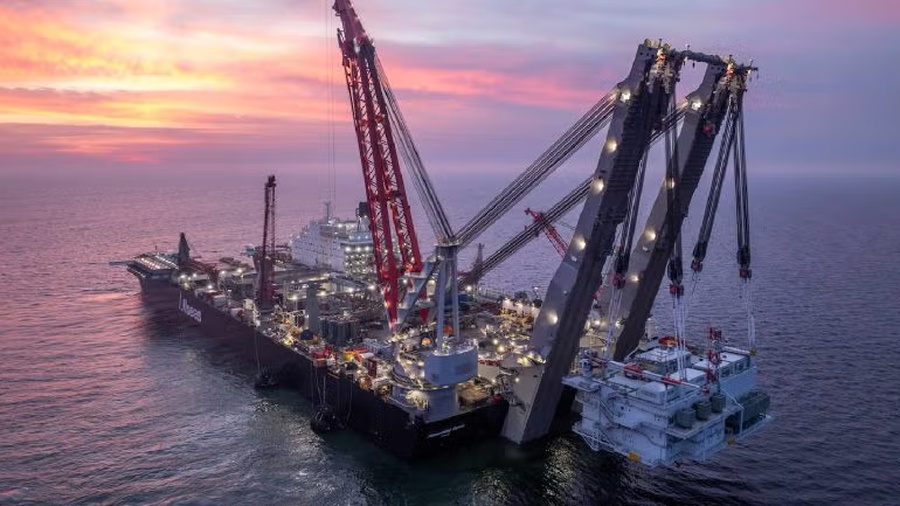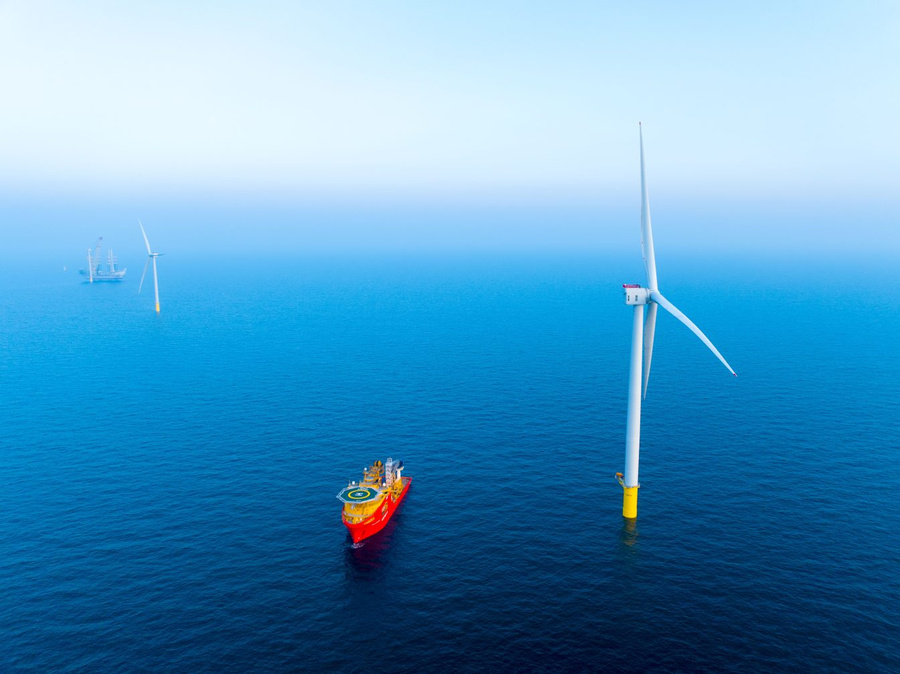
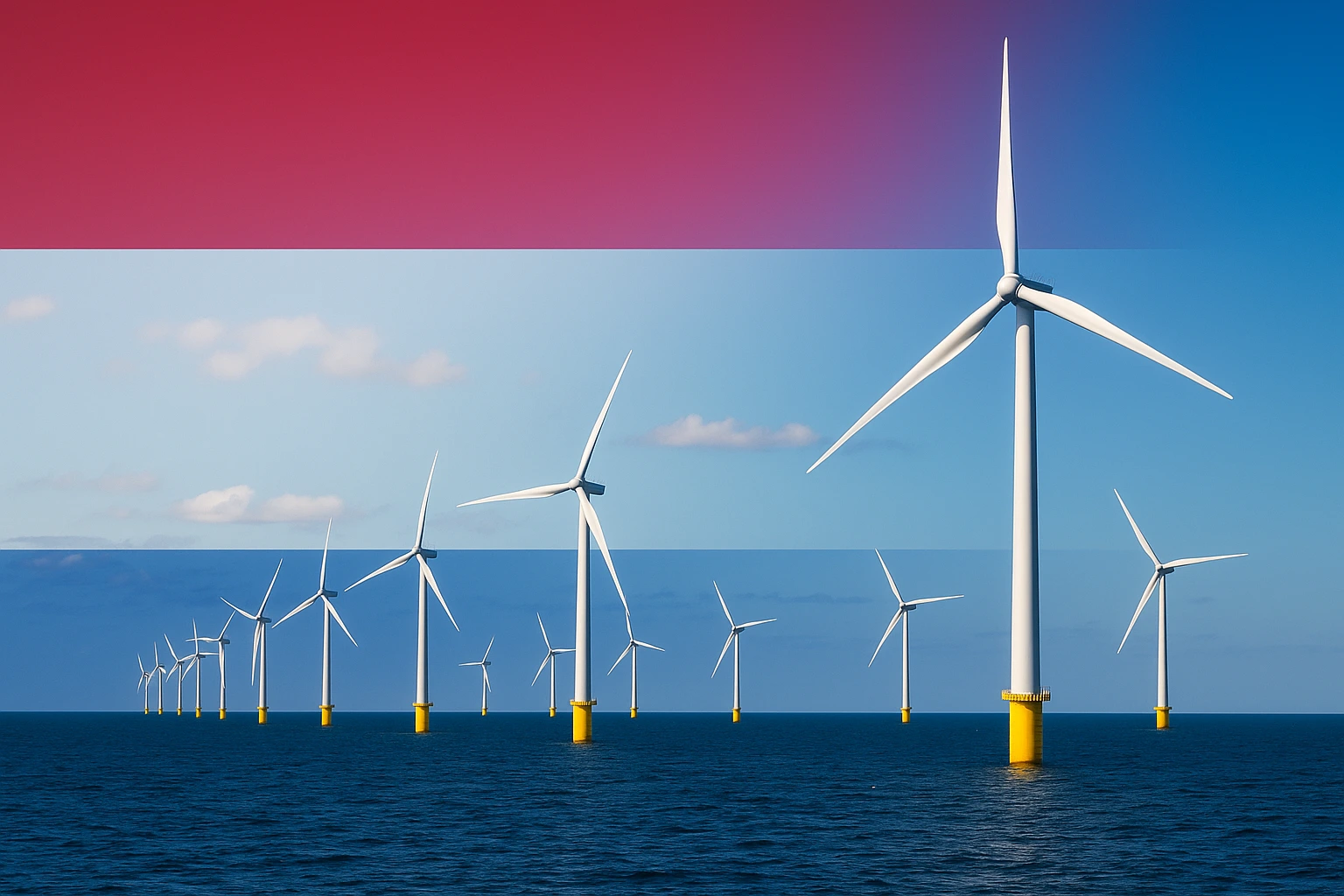
The Dutch cabinet confirmed plans to bring back subsidies for offshore wind projects on the North Sea, Dutch broadcaster NOS reported on Wednesday. Starting next year, nearly €1 billion will be earmarked to ensure the continued construction of wind farms, after recent tenders in neighboring countries collapsed.
Over the past years, the Netherlands auctioned large-scale offshore wind capacity without direct subsidies, positioning itself as a pioneer in subsidy-free development. However, in the United Kingdom, Germany, Belgium, and Denmark, recent tenders failed as developers were unwilling to commit investments under current market conditions.
According to NOS, the key challenge lies in soaring construction costs, which have increased by 30–40% in recent years, coupled with uncertainty about future industrial demand for electricity. Despite these pressures, the Dutch government maintains that offshore wind remains the only viable option for generating large volumes of renewable energy.
National grid operator TenneT has already advanced work on transmission infrastructure for upcoming wind farms. Any delay in project rollout could significantly increase costs for the grid company.
The subsidy plan will be temporary, but the government is preparing new legislation to align its financing framework with systems in Denmark and the UK. This includes the use of “contracts for difference” (CfD), where subsidies apply if electricity prices fall too low, but profits are capped when prices spike.
The final cost to taxpayers remains uncertain, as it will depend on future electricity market prices that determine the payout or clawback under the scheme.