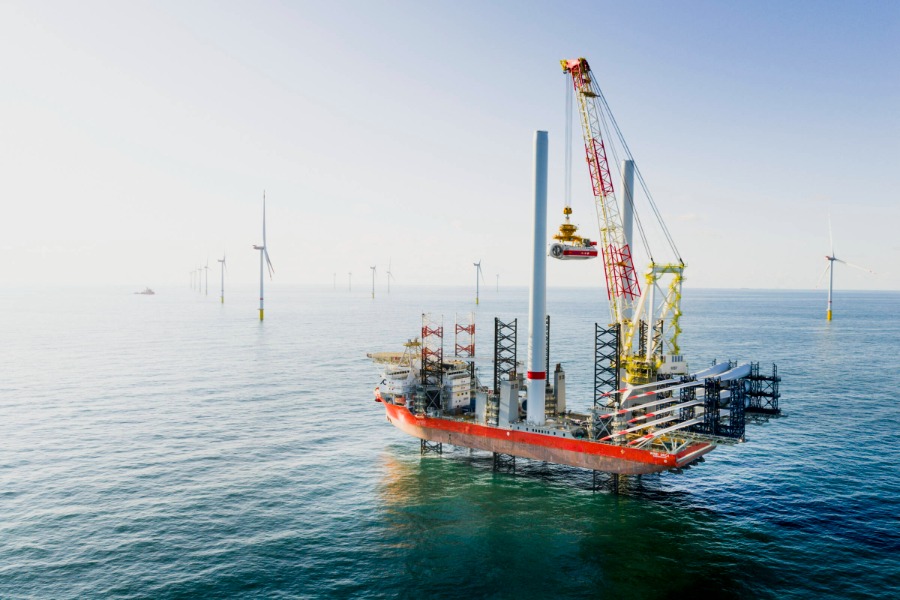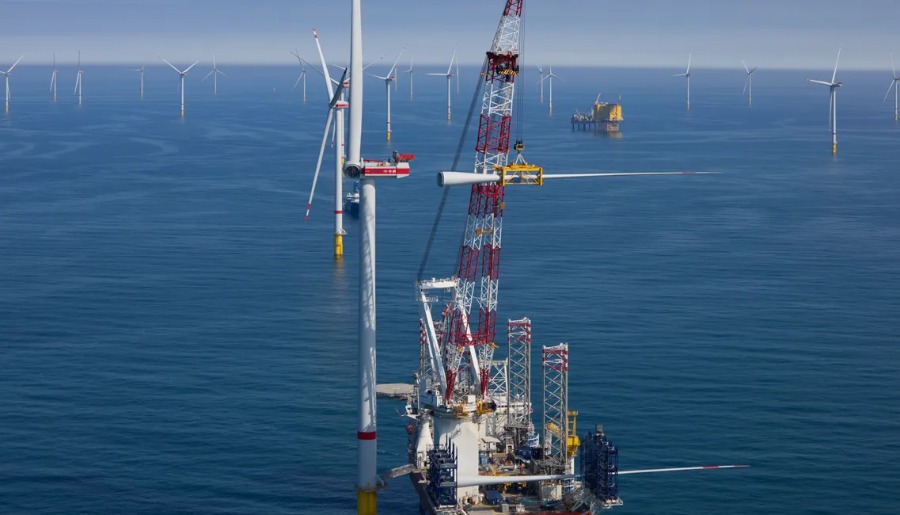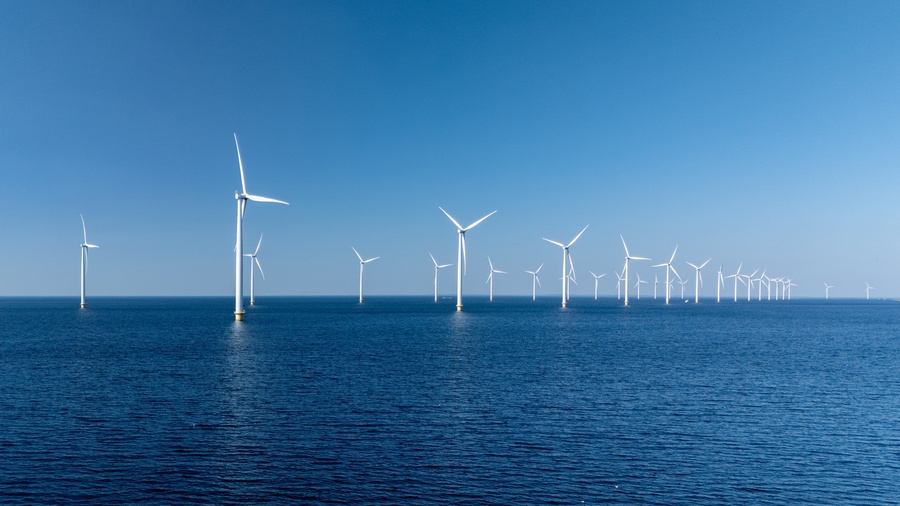

HydePoint, Subsea7 and EnBW have agreed to carry out a joint feasibility study on offshore hydrogen production in the Dutch North Sea, marking a step toward scaling up Europe’s renewable energy integration. The study will investigate the technical and commercial viability of producing green hydrogen at sea in combination with offshore wind projects, focusing particularly on semi-centralized production concepts that combine modular electrolyzer units with larger platform solutions to balance flexibility and cost efficiency. HydePoint, a Norwegian company specializing in offshore hydrogen systems, will bring its expertise in modular electrolyzer technology, while Subsea7 contributes decades of offshore engineering and infrastructure know-how, and EnBW, one of Germany’s largest energy utilities, provides extensive experience in offshore wind development across both Germany and the Netherlands.
Company representatives emphasized the potential impact of the collaboration. HydePoint’s Chief Commercial Officer Nils Magne Reilstad noted that the initiative could enable “flexible and cost-efficient integration of offshore wind energy into the energy system,” supporting Europe’s drive toward net-zero emissions. Subsea7’s Energy Transition Strategy Director Stian Sande underlined that cutting the levelized cost of hydrogen is a major hurdle, adding that shared expertise may help uncover economically viable pathways for large-scale offshore hydrogen production. EnBW’s Head of New Development Offshore Wind, Tina Fuchs, highlighted the role of hydrogen in creating greater energy system flexibility in key markets, especially in Germany and the Netherlands.
The study will examine multiple deployment scenarios in the Dutch North Sea, evaluating design trade-offs between modular and centralized configurations, as well as the logistics of transport, installation and integration with offshore wind platforms. Offshore hydrogen production offers a way to ease pressure on onshore grid infrastructure and utilize surplus wind power more effectively, but challenges remain in terms of capital costs, maintenance in harsh marine environments and establishing market frameworks for cross-border hydrogen trade.
By combining technological innovation with offshore infrastructure expertise, the three companies aim to identify strategies that could lower costs per kilogram of hydrogen and accelerate the wider adoption of green fuels. If successful, the project could strengthen Europe’s ability to meet climate targets, improve energy resilience and demonstrate how offshore hydrogen systems can be scaled to complement the rapid expansion of wind capacity in the North Sea.