WASHINGTON, D.C. — The Jones Act, a 1920 law requiring vessels in U.S. domestic trade to be U.S.-built, -owned, -flagged, and -crewed, is facing a significant reform proposal. On August 1, Representatives Ed Case (D-Hawaii) and Jim Moylan (R-Guam) introduced the Merchant Marine Allies Partnership Act, which would grant trusted allies such as South Korea and Japan exemptions from some of the act’s strictest provisions.
The bill would allow allied-built ships to operate between U.S. ports without full Jones Act compliance, reduce the 50% import tariff on major repairs carried out in allied shipyards, and, under specific conditions, permit foreign crews in U.S. coastal operations. Proponents argue the measure would modernize outdated maritime rules, curb reliance on Chinese shipyards, and strengthen industrial partnerships with nations sharing U.S. security interests.
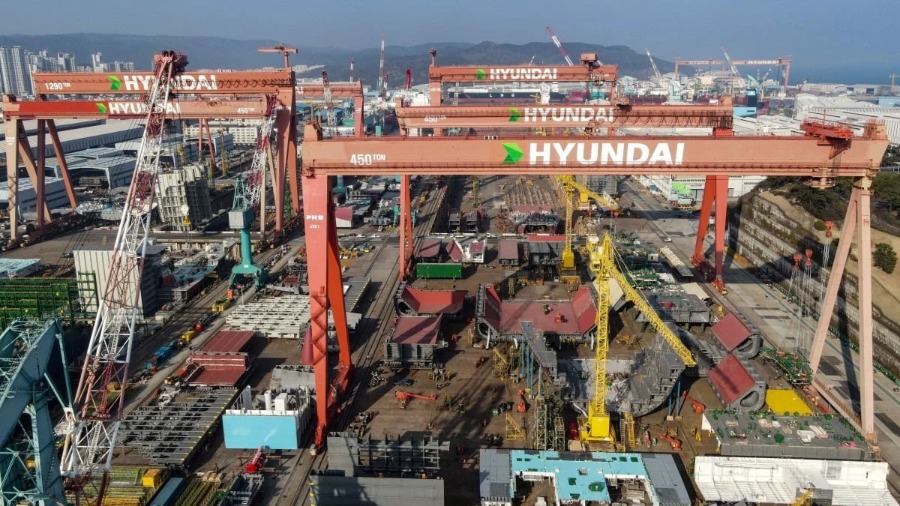
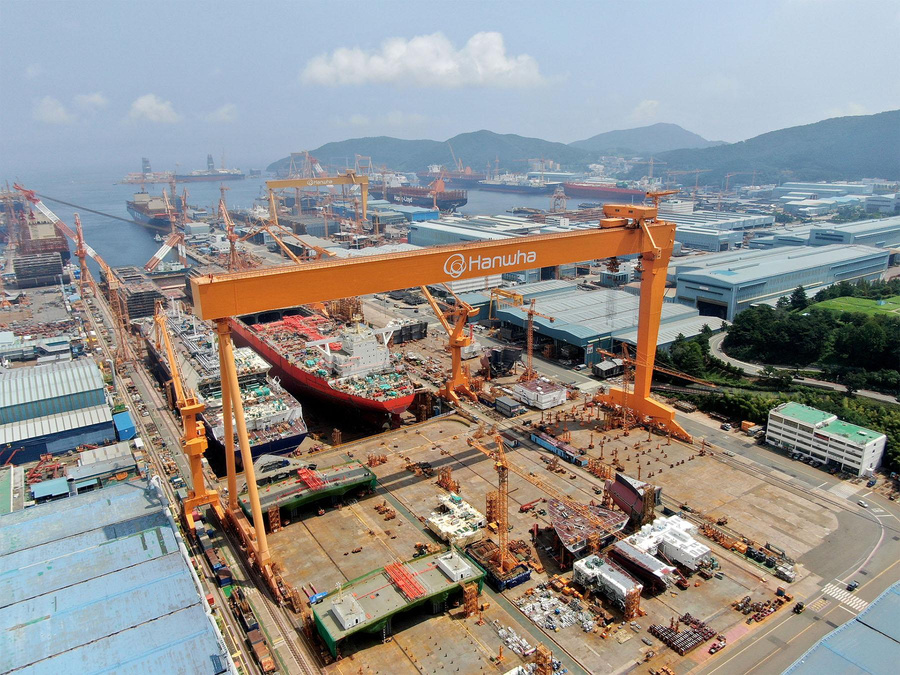
The proposal is closely linked to the Korea–U.S. Make American Shipbuilding Great Again (MASGA) initiative, a multi-billion-dollar program aimed at revitalizing U.S. shipyards through technology transfer, workforce training, and joint projects. Recent contracts, such as HD Hyundai Heavy Industries securing U.S. Navy repair work, highlight the potential for expanded cooperation if regulatory barriers are eased.
Market analysts estimate the changes could reduce vessel acquisition costs and lead times by 25–30%, improving competitiveness on routes like Hawaii, Alaska, and Puerto Rico. LNG-capable, fuel-efficient ship designs from allied yards could also accelerate the transition to greener fleets in line with international decarbonization goals.
Industry reactions are mixed, with some U.S. carriers welcoming access to advanced allied designs while unions and domestic shipbuilders warn of potential job losses. Supporters insist the bill preserves the Jones Act’s core protections while enabling alliance-driven shipbuilding to counter China’s dominance and reinforce U.S. supply chain resilience.