South Korea asked for tariff relief on shipbuilding materials and proposed policy support for Hanwha’s Philly Shipyard during talks with Pennsylvania officials on Wednesday, as Seoul moved to align its U.S. investment plans with a broader effort to expand U.S. shipbuilding.
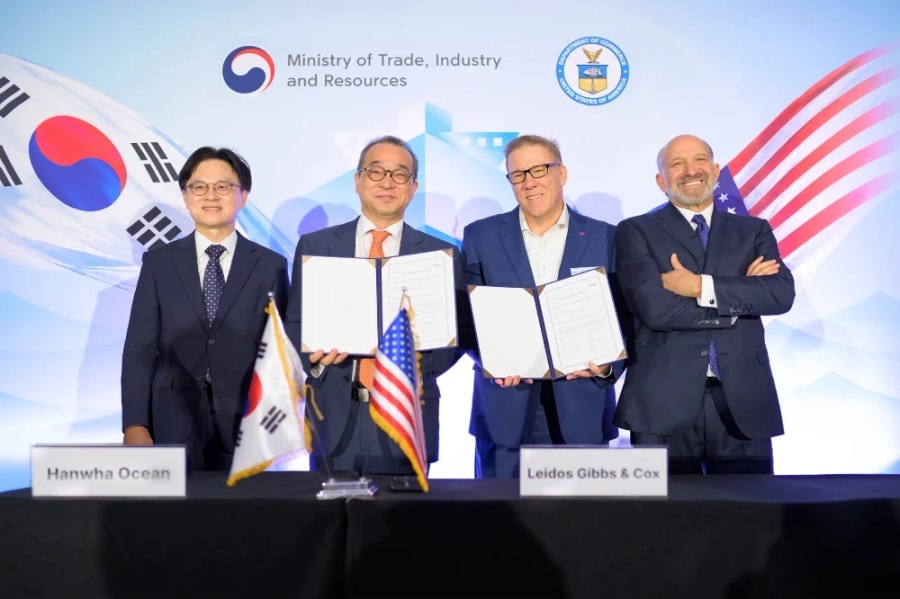
The meeting brought together South Korea’s Ministry of Trade, Industry, and Resources and Pennsylvania’s secretary of economic development, Rick Singer. South Korea presented a set of measures aimed at supporting the shipyard’s expansion and building a wider shipbuilding cluster around the facility.
One of the main proposals was to make Hanwha’s yard the anchor of a Maritime Prosperity Zone, a concept included in the White House plan released last month to revitalize U.S. shipbuilding. The framework would provide tax incentives and other support for shipbuilding-related industries operating in those zones.
At the federal level, South Korea also sought possible tariff exemptions for shipbuilding materials, including steel and components that could be exported from South Korea for ships to be built in the United States.
For Pennsylvania, Seoul proposed several actions to help speed up the yard’s planned growth. These included shorter administrative procedures for expansion permits, advance support for transport and power infrastructure, and measures to help with labor costs.
Park Dong-il, Director General for Industrial Policy, said South Korea looked forward to continuing the discussions as it worked to finalize details of the $150 billion Make American Shipbuilding Great Again, or MASGA, initiative. He said Korean shipbuilders were reviewing business projects that could include expanding production capacity, training talent, and strengthening supply chains.
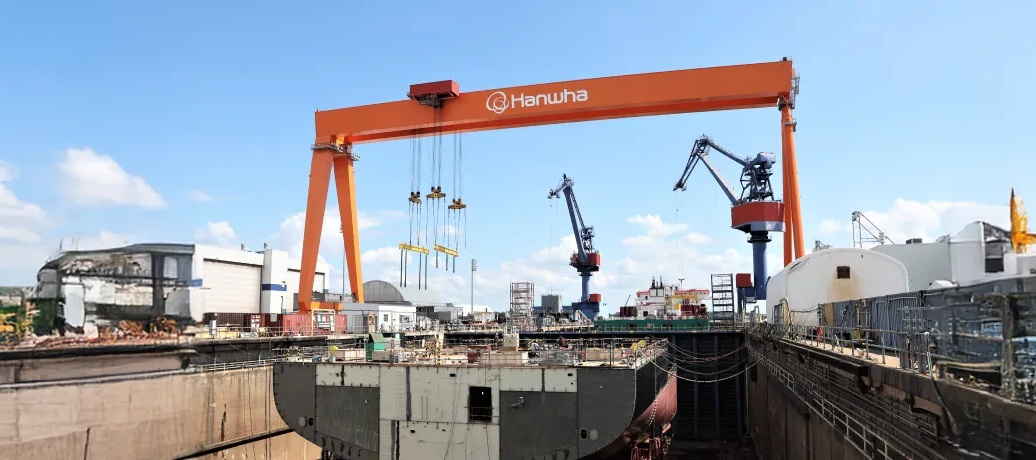
Hanwha acquired Philly Shipyard at the end of 2024 and has since outlined a broad expansion plan. The company said it would complete an LNG carrier at the yard for sister company Hanwha Shipping. That was followed by an announcement from Hanwha Shipping that it planned to build 10 MR tankers at the yard for transporting products under the U.S. flag and in the Jones Act trade.
In the medium term, the yard plans to raise output to 10 ships a year from its current capacity of 1.5 ships annually. The shipyard is finishing the final two MARAD training ships, recently carried out sea trials for the rock ship being built for Great Lakes Dredge and Dock Company, and has started work on three containerships for Matson.