Seafarers working on vessels covered by IBF agreements can now refuse voyages through the Middle East Gulf, including the Strait of Hormuz, after the area’s threat level was raised to the highest category.
Under the arrangement announced by the International Transport Workers’ Federation, crew members who decide not to enter the zone are entitled to company-paid repatriation and payment equal to two months of basic wages.
The measures also increase financial protection for those who continue to operate in the area. The ITF said seafarers in the zone will receive higher pay, while compensation will be doubled in cases where a crew member is killed or disabled during service there.
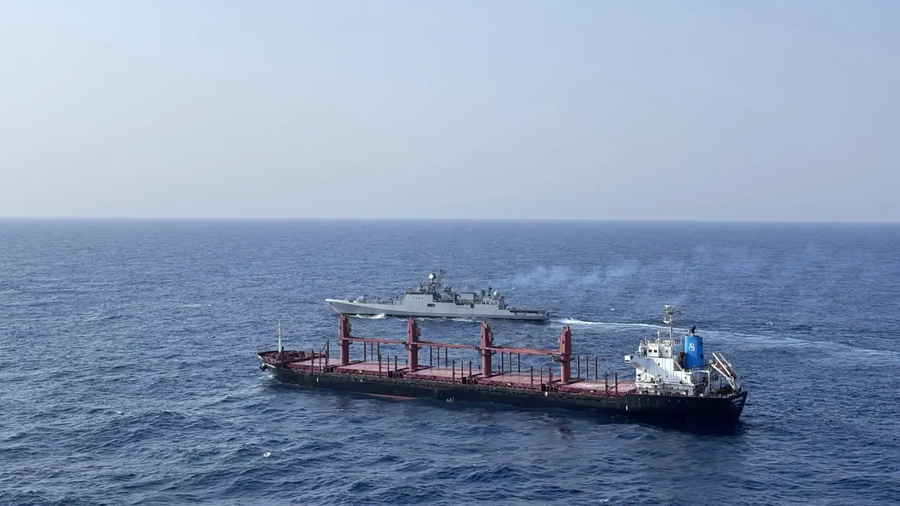
The move came as security conditions in the region worsened. Since 28 February, at least nine ships have been damaged in attacks, and at least one seafarer has been killed.
Roughly 300 vessels are anchored on either side of the Strait of Hormuz, highlighting the uncertainty facing shipowners and operators as tensions involving the United States and Iran intensify.
The Strait of Hormuz remains a critical route for oil and energy cargo moving between the Persian Gulf and the Gulf of Oman. Any disruption there can affect wider trade patterns and global energy supply chains.
The rules apply to ships operating under IBF contracts, which cover a substantial share of the world merchant fleet.
ITF General Secretary Stephen Cotton said the decision was aimed at protecting seafarers in waters that have become increasingly dangerous. He said the designation gives crews under IBF agreements important safeguards when their vessels are sent into the region.
Cotton also said the measures reflect the harsh conditions maritime workers face, adding that no one should be compelled to risk death or serious injury while moving cargo that supports the global economy.