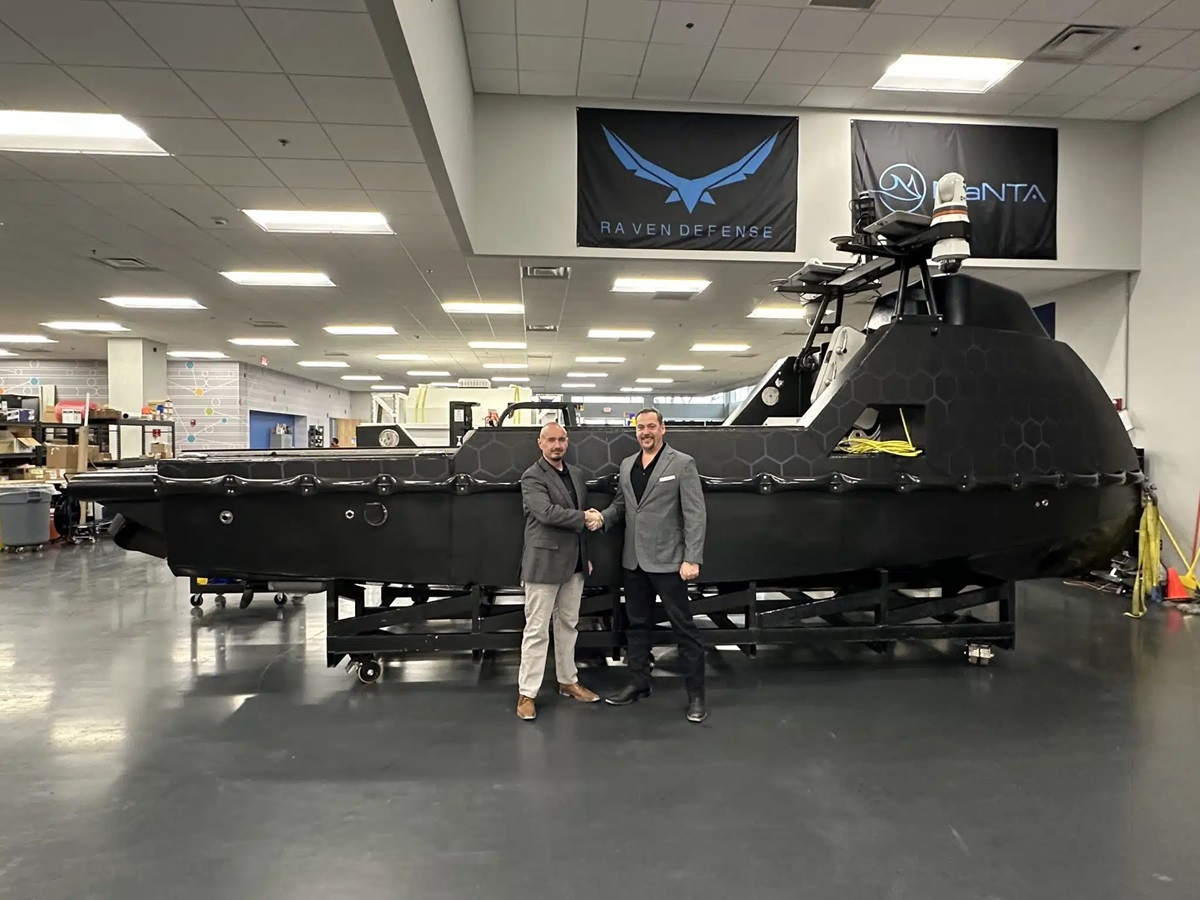
Janus Marine & Defense has entered a strategic partnership with Raven Defense Corporation to support U.S. Navy, commercial shipping and offshore operations in the Caribbean and Gulf of America with a technology-led “wall of steel” concept.
South Carolina-headquartered Janus Marine & Defense, which specialises in marine autonomy, is joining forces with New Mexico-based Raven Defense Corporation, described as a US Department of War RF Systems contractor. The company positions the agreement as a way to protect offshore energy infrastructure, ports, and critical maritime corridors while reducing reliance on manned vessels.
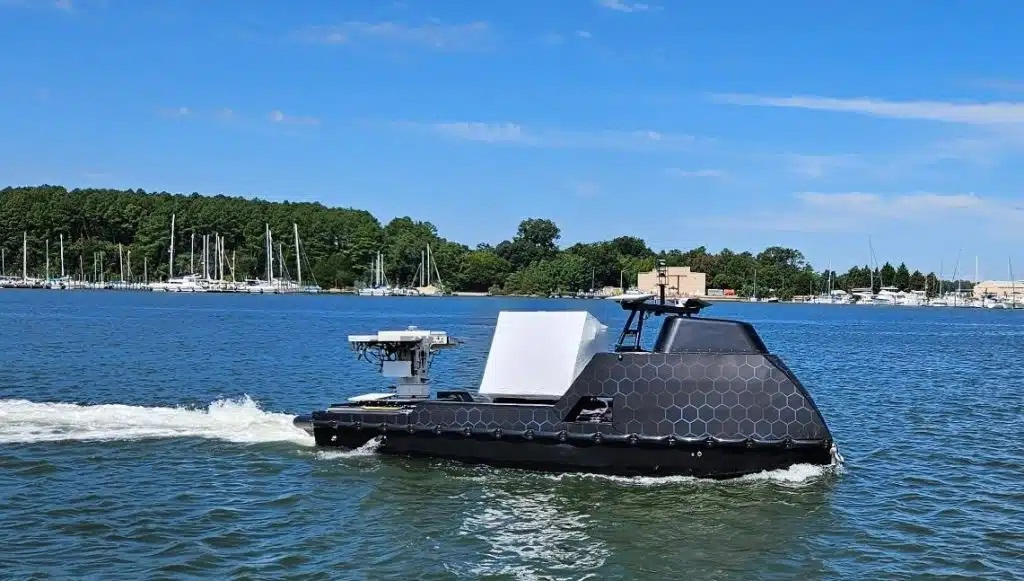
Janus CEO Jack Dougherty said the Gulf of America is seeing a “massive increase” in naval and commercial shipping and offshore activity, driving demand for updated protection of assets and people. He said the intent is to use technology to take pressure off U.S. security forces in a contested, high-risk maritime environment, combining autonomous surface and subsurface vessels with satellite communications, air drones, ISR and electronic warfare capabilities.
Dougherty added that Janus’ background draws on over a decade of contracting experience leading and operating Unmanned Surface Vessels in defence and security operations, starting with an autonomous mine-hunting unit in 2014 in the U.S. 5th Fleet.
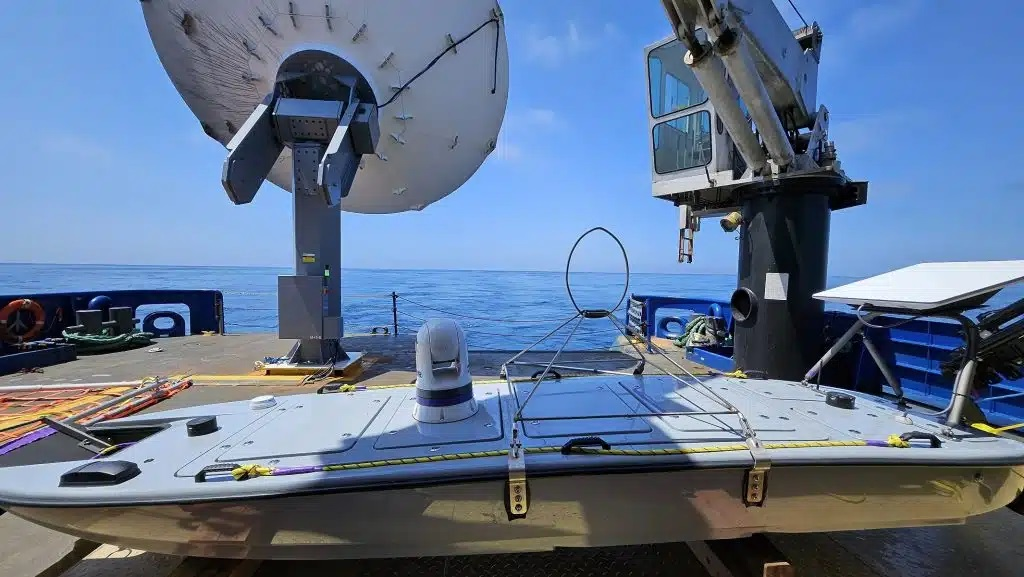
Raven CEO Chris Patscheck said the joint approach is built around persistent, intelligent and unmanned maritime security. He said the solution integrates persistent ISR, autonomous patrol, rapid interception and remote operations center support, and is intended for the threat environment facing offshore energy operators. The partnership also cites unmanned water and air drones, advanced signal detection methods and cybersecurity to deliver continuous and pervasive coverage.