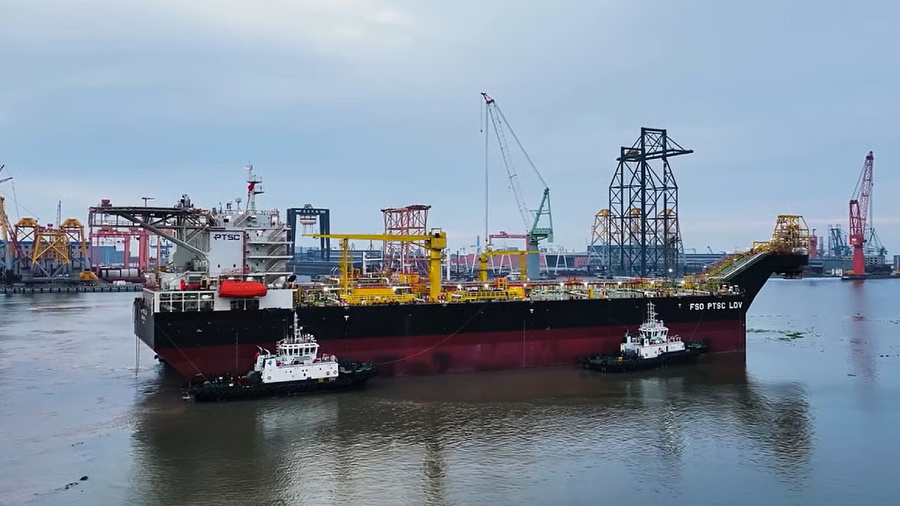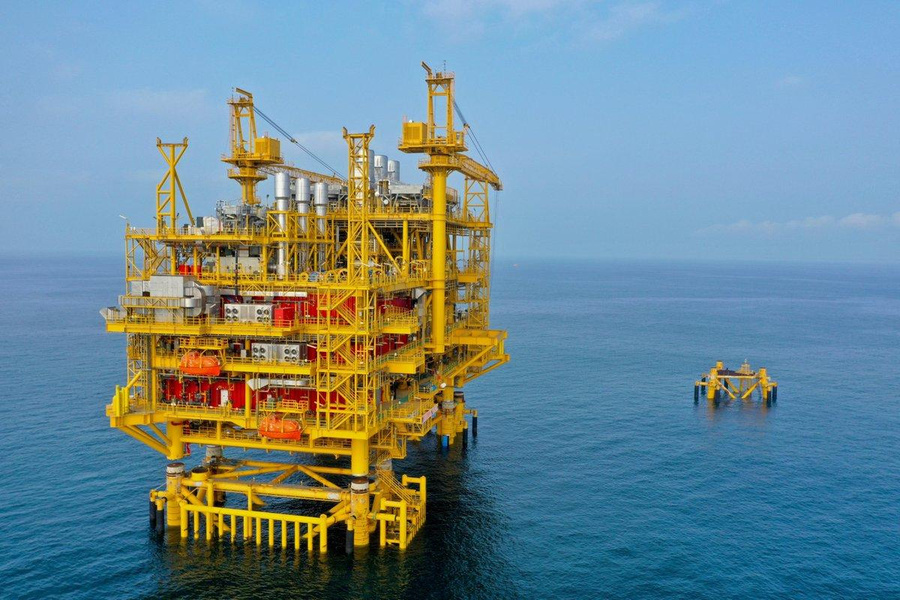
Akrake Petroleum, a wholly owned subsidiary of Lime Petroleum—which is 89.74% owned by Singapore’s Rex International—says it is close to completing the remaining work needed to hook up a mobile offshore production unit and a floating storage and offloading unit at Benin’s offshore Sèmè field, shut in since the late 1990s.
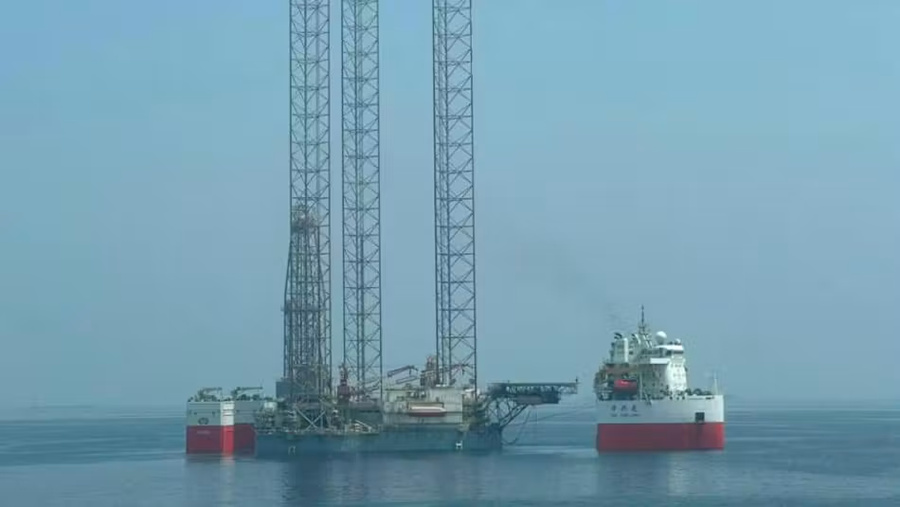
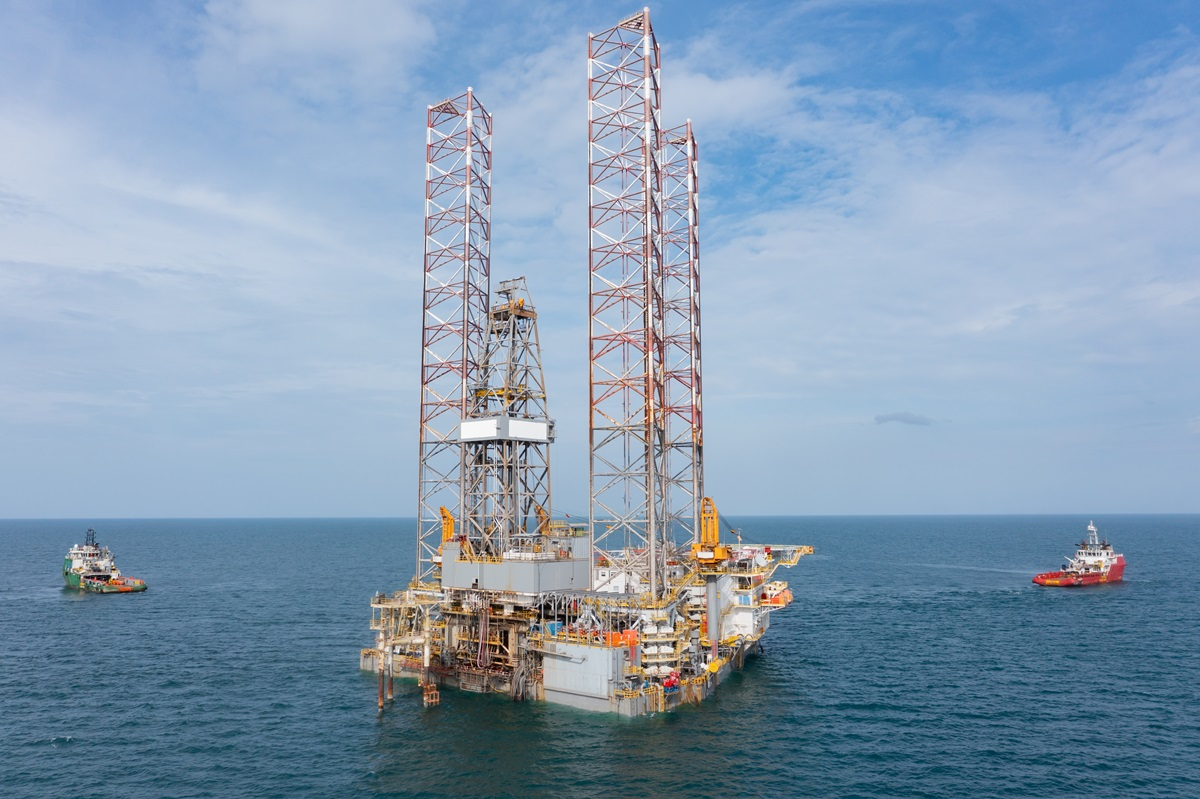
The company reports that final hook-up activities for the MOPU Stella Energy 1 and the FSO Kristina are advancing, and it has now finished drilling the AK-2H production well. The well is part of a three-well programme launched in August 2025, when drilling began using Borr Drilling’s jack-up rig Gerd to support the plan to bring the Block 1 development back into service.
Akrake previously flagged technical challenges that delayed the start-up from the 4Q 2025 schedule. Following the slippage, the operator expected the Block 1 field to return to production in late January 2026.
For AK-2H, Akrake says the horizontal section totals 1,405 m through the reservoir interval, including roughly 950 m of oil-saturated reservoir sandstone in the Abeokuta Formation (Cretaceous), informally labelled H6. The remaining drilled length is described as non-reservoir shale, and the operator says no water-bearing sand was found. The well path was geo-steered with logging-while-drilling tools to keep the borehole within the oil-bearing sandstone.
The operator adds that the reservoir quality aligns with expectations, citing average porosity above 19% and average oil saturation above 70%. The reservoir section has been completed with screens fitted with autonomous inflow control valves, which the company says help keep the well open and limit sand entry, while reducing water production to maximise oil output.
Akrake has said the well is expected to be ready for production in early February 2026. An electrical submersible pump is now being installed above the screens.
Sèmè was discovered by Union Oil in 1969 and later developed by Norway’s Saga Petroleum. Production stopped in the late 1990s amid low oil prices. The Block 1 field covers 551 sq km in shallow water depths of 20–30 m and produced about 22 million barrels of oil between 1982 and 1998.