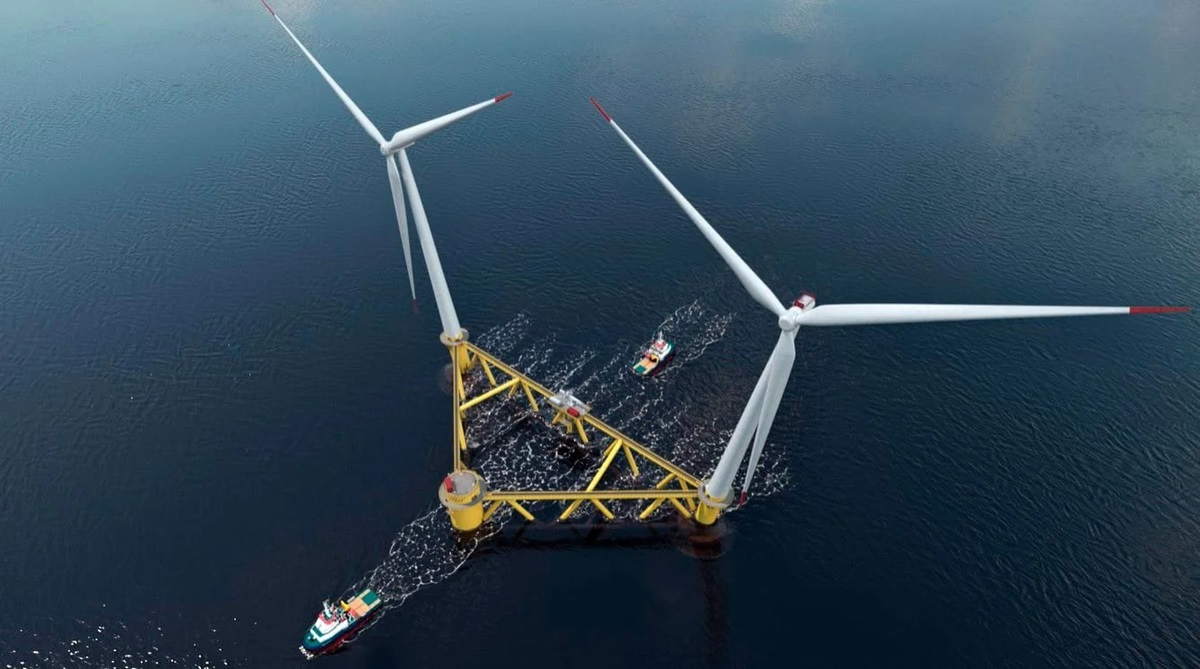
Hexicon AB (publ) has recognised an impairment linked to the UK-based TwinHub floating offshore wind project, with a net effect of SEK 115 million on the Group after related adjustments.
The company attributed the write-down to a combination of significantly higher inflation and supply-chain costs that have, over time, weakened the project’s financial viability. Since early 2024, Hexicon has focused on divesting TwinHub to a strategic party seeking to enter the floating offshore wind sector, but said recent market developments have made it difficult to secure terms that would generate material proceeds.
The impairment includes SEK 127 million of capitalised intangible assets and goodwill. Other adjustments, including revised deferred tax effects, provide a positive impact of SEK 12 million, resulting in the net SEK 115 million effect. The company said divestment remains a priority as the project continues to entail ongoing costs and liabilities.
The charge also triggered a corresponding impairment of shareholder loans and accrued interest in Hexicon Holding AB, the wholly owned subsidiary that holds the majority of the Group’s project portfolio.
On 15 December 2025, the subsidiary’s board resolved to prepare a statement under Chapter 25 of the Swedish Companies Act to assess the impact on equity and whether it had fallen below one-half of the registered share capital. Completed on 30 January 2026 and reviewed by the auditor, it concluded the remaining projects have sufficient surplus values for equity to amount to at least the registered share capital. As a result, no control shareholders’ meeting is required at the subsidiary level, and no further impairment is required at Hexicon’s parent-company level.
CEO Marcus Thor said the impairment was “clearly disappointing” and followed several years of efforts to achieve an orderly exit from TwinHub, adding that other projects in the portfolio have increased in value and that investment focus remains on the most valuable and promising assets as the portfolio moves towards commercialisation.