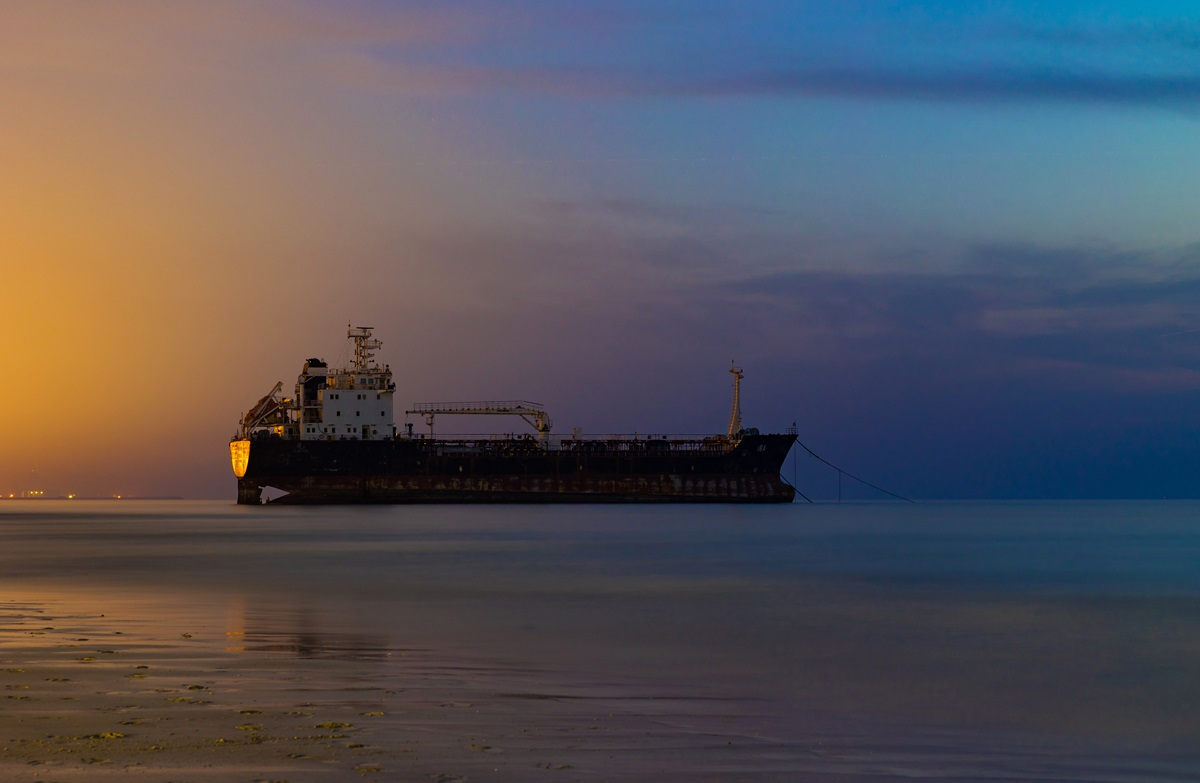
Russia has issued a sharp warning to London as the UK considers joining European partners in targeting the “shadow fleet” of tankers that move Russian crude from Baltic ports to Asian buyers. These ships routinely pass close to the British Isles and can spend several days within range of British military assets, prompting discussions in London and EU capitals about tightening maritime enforcement.
One option under consideration is a coordinated effort to stop and inspect tankers that sail without a recognised flag or clear legal status. Supporters of this approach argue that boarding and questioning such stateless vessels could help uphold existing maritime rules on the shadow-fleet side of the trade and make it harder for Moscow to channel oil revenues through opaque shipping networks. Russia, for its part, has denounced the idea as a step back towards “piracy.”
Operations against Russia-linked tankers are not without precedent. In late 2024, Finnish personnel carried out a boarding of the tanker Eagle S following a suspected subsea cable incident. In October 2025, French authorities similarly boarded the tanker Pushpa (Boracay) after flagging it as suspicious. Earlier this month, U.S. forces boarded and seized the stateless tanker Bella 1 (Marinera), which had attempted to shift into the Russian flag registry. That seizure prompted a diplomatic protest from Moscow, which says Washington is still holding two Russian crewmembers from the vessel.
Germany has recently illustrated how a broader European interdiction campaign might function. Last week, German officials questioned the inbound shadow-fleet tanker Arcusat about its insurance arrangements and flag status. After that contact, the vessel abandoned its intended Baltic route and altered course towards the Russian Arctic instead. A wider effort that also involved the UK would extend the reach of such checks to tankers approaching Russia’s western oil export terminals.
UK foreign secretary Yvette Cooper has been briefed on interdiction practices at sea. Last week she embarked on the Finnish Border Guard vessel Turva, which had taken part in the stop of a Russia-linked freighter late in the previous month. After observing a fast-roping boarding drill, she told Politico that the UK is prepared to work with allies on tougher enforcement measures directed at the shadow fleet, while declining to detail how any such operations might be carried out.
Moscow’s response to these signals has been openly hostile. Russia’s ambassador to the UK, Andrey Kelin, condemned the idea of UK participation in boarding operations and said that tankers in the shadow fleet could in future be accompanied by Russian state vessels. Speaking to the Russian outlet Izvestia, he compared the proposals to a return to the age of Edward Teach—better known as the pirate Blackbeard—and claimed that Britain is no longer the “ruler of the seas,” warning that any hostile actions would meet with consequences.