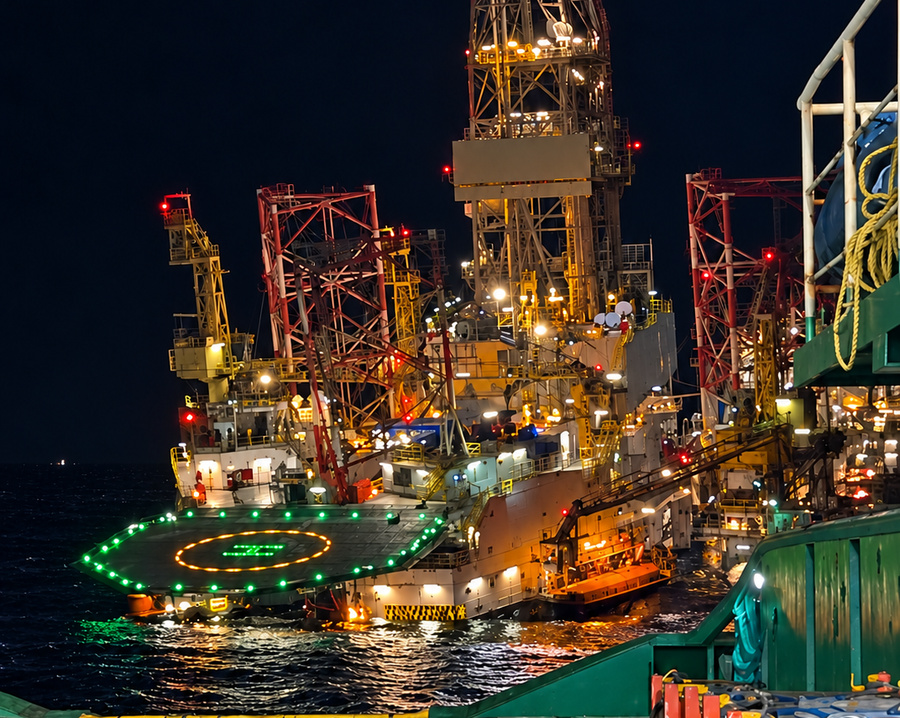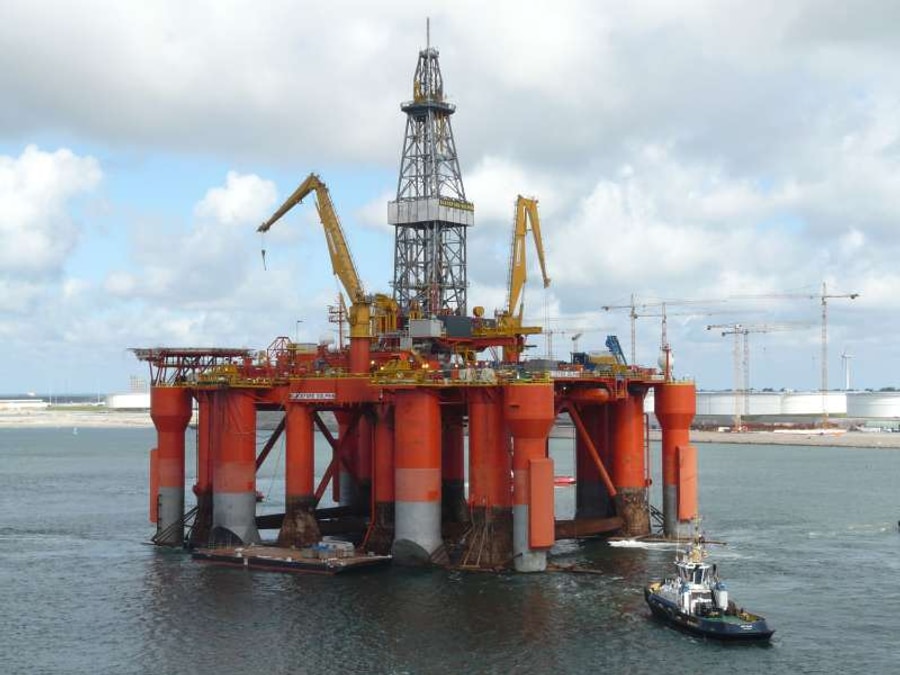
Petrobras has suspended drilling at the Morpho exploration well in Brazil’s Foz do Amazonas Basin after synthetic-based drilling mud escaped from auxiliary lines on an offshore rig in the environmentally sensitive area.
The incident was registered on Sunday, 4 January, at a location around 175 km off Amapá state, when two auxiliary lines linking the rig to the well lost containment. Company documentation indicates that about 15 m³ (15,000 litres) of the mud were discharged in the early hours of the day.
Petrobras said the loss of fluid was quickly contained and isolated, and that the affected lines will be retrieved to the surface for inspection and repair. The company stressed that neither the rig nor the well has suffered damage and that both remain in a safe condition for operations.
According to the operator, the product used in the well complies with authorised toxicity limits, is biodegradable and, in the company’s assessment, does not present risks to people, the surrounding environment or the safety of the drilling programme.
Federal environmental agency Ibama has been formally notified by Petrobras and is monitoring the incident while investigating its causes. Drilling at Morpho has been suspended for a period of up to 15 days, with local reports indicating a potential delay of roughly 10–15 days in the overall schedule.
Morpho is the first well to be drilled in the Amazon River Mouth (Foz do Amazonas) Basin and is the initial location in a seven-well exploration campaign planned by Petrobras on Brazil’s equatorial margin. At this stage, the company holds authorisation only to assess potential oil accumulations in the area, which has an estimated resource potential of 6.2bn boe.
Drilling operations at Morpho began in October, with the well originally expected to take around five months to complete before the temporary interruption caused by the fluid loss.
Within Petrobras’ portfolio, the Foz do Amazonas Basin ranks as its leading new offshore exploration area, with geology comparable to neighbouring Guyana, where ExxonMobil is developing major offshore finds. The state-controlled company spent years in the licensing process and only obtained approval from Ibama following prolonged political support from regional authorities and President Luiz Inácio Lula da Silva.
Environmental organisations and Indigenous groups have opposed the drilling plans, warning that any spill in the area could severely affect Amapá’s coastline, including extensive protected mangrove zones and fishing communities that depend on coastal resources.