According to Reuters, Venezuela’s state oil company PDVSA is shutting in crude production as a U.S. oil embargo and tanker blockade freeze exports and leave storage almost full, adding pressure on an interim government that took office after President Nicolas Maduro and his wife were seized by U.S. forces on Saturday amid threats of further military action from Washington.
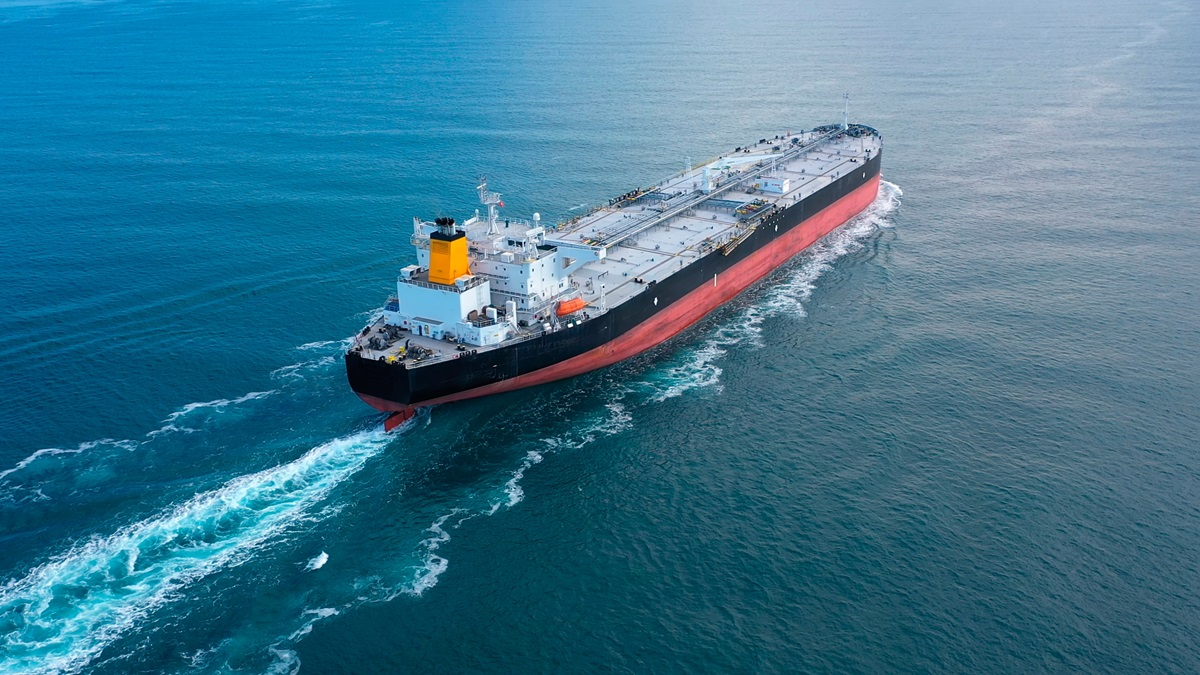
Reuters reports that U.S. President Donald Trump declared the oil embargo “fully in force” as part of the U.S.-supervised transition. Sanctions on tankers and the seizure of two crude cargoes last month have stalled exports, the OPEC member’s main source of hard currency. Ship data cited by Reuters shows that shipments by Chevron that had still been moving to the United States under a U.S. license also stopped for that route on Thursday.
Sources told Reuters that PDVSA is taking fields and groups of wells offline as extra-heavy crude builds up onshore and supplies of the light oil and naphtha used as diluents run short. The firm has requested output cuts at joint ventures, including China National Petroleum Corporation (CNPC)’s Petrolera Sinovensa, Chevron-linked Petropiar and Petroboscan, and Petromonagas, while Petromangas, previously operated with Russian state company Roszarubezhneft, is now run solely by PDVSA.
At Sinovensa, Reuters reports that crews on Sunday were preparing to shut as many as 10 clusters of wells because of the crude overhang and diluent shortage. Part of Sinovensa’s production normally goes to China as debt repayment, but LSEG shipping data quoted by Reuters show two supertankers under the Chinese flag that had been heading to Venezuela to load halted their approach late in December. Staff at Petromonagas began reducing output late last week and expect to keep it down until diluent flows through pipelines resume.
According to Reuters, Chevron still has room to store barrels, especially at Petropiar, and loading continues there, but its vessels have not left Venezuelan waters since Thursday and limited capacity at Petroboscan could eventually force cuts. PDVSA and CNPC did not respond to Reuters’ requests for comment, while Chevron said only that it is operating in full compliance with applicable laws.
Even though recent U.S. strikes did not hit PDVSA facilities, the company is struggling to keep operations stable under the ship blockade and forced price discounts, workers told Reuters. The report adds that IT systems remain only partly restored after a December cyberattack, raising the risk that production curbs spill into refining and domestic fuel supplies. Since late December, PDVSA has been using tankers as floating storage and slowing loadings at its main export hub, the Jose terminal; ship-tracking firm TankerTrackers.com reported no tankers alongside at Jose on Sunday for export or local supply.
Reuters notes that PDVSA increased imports of naphtha and light oil in the second half of last year to dilute its extra-heavy crude, but by December, it was struggling to receive Russian cargoes because of the U.S. blockade. Based on preliminary ship-movement data, Reuters reports that Venezuela pumped roughly 1.1 million barrels per day of crude in November, exporting close to 950,000 barrels per day, before U.S. measures pushed exports down to about 500,000 barrels per day last month. Oil minister Delcy Rodriguez, now interim president, had said last month that Venezuela would keep producing and exporting despite U.S. actions, but the tightening embargo is testing that pledge.
Source: Reuters