Russian forces carried out renewed long-range attacks across Ukraine in late December 2025, hitting energy facilities and port infrastructure in the Odesa region and causing widespread disruption.
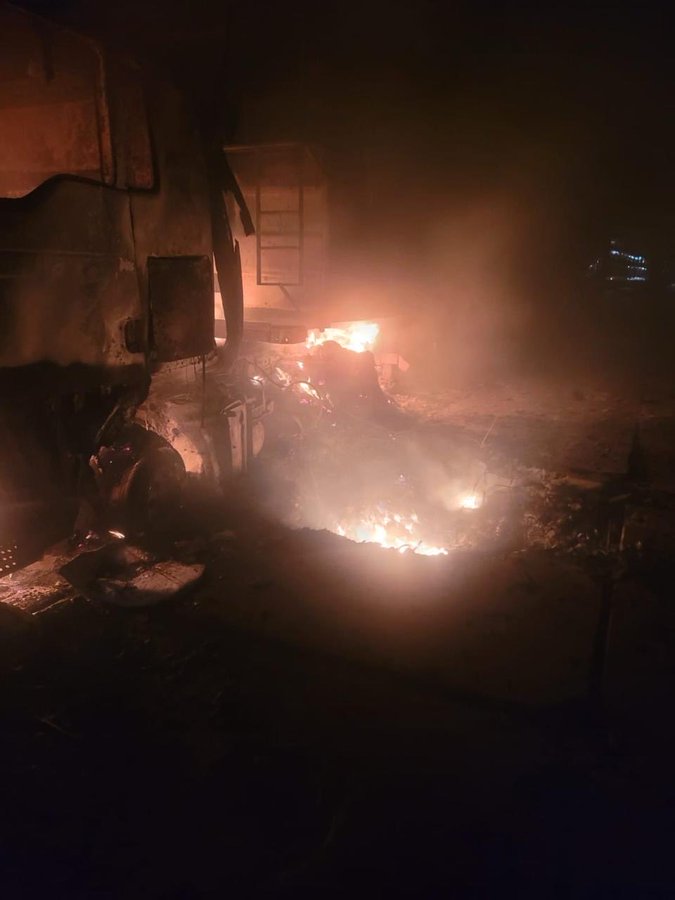
According to Ukraine’s deputy prime minister for restoration and minister for communities and territories development, Oleksii Kuleba, drones struck port infrastructure in the Odesa region overnight into 26 December 2025. The attack damaged multiple vessels and a barge, while fires broke out at impact sites. Emergency services were deployed, and port workers began assessing damage amid partial power outages.
Kuleba said that grain elevators and warehouses operated by civilian companies were also hit during the strikes. Repair crews continued restoration work while critical port operations relied on backup power supplies.
The Odesa region had already been under sustained pressure earlier in the week. Ukrainian authorities reported that a separate attack triggered a fire at the port of Pivdennyi, leaving more than 120,000 electricity customers without power. Critical infrastructure remained operational using emergency systems while repairs progressed.
On 27 December 2025, Ukrainian president Volodymyr Zelenskyy said Russia launched another large-scale overnight assault, deploying nearly 500 drones and around 40 missiles, including Kinzhal systems. He stated that Kyiv was among the main targets, with energy facilities and civilian infrastructure hit. Several residential buildings were damaged, and electricity and heating supplies were temporarily unavailable in parts of the capital.
Firefighting and emergency response operations continued while energy workers began repairs where security conditions allowed. At other sites, crews remained in shelters until air raid alerts were lifted.
Ukraine’s foreign minister Andrii Sybiha said the strikes deliberately targeted civilian and energy infrastructure during winter conditions, worsening the humanitarian impact. Sweden’s foreign minister, Maria Malmer Stenergard, also condemned the attacks, stating they demonstrated Russia’s lack of intent to pursue peace.