World crude oil supply is set to be about 800,000 bpd higher in 2026 than in 2025, with Brazil, Guyana and Argentina together providing close to half of that extra volume, according to the U.S. Energy Information Administration’s (EIA) December Short-Term Energy Outlook.
Since 2023, most incremental crude has come from producers outside the OPEC+ alliance, the EIA says. Coordinated OPEC+ cuts largely offset non-OPEC additions in 2024, but global production is estimated to have climbed by about 2.2 MMbpd in 2025. Of that, non-OPEC countries supplied roughly 1.7 MMbpd, with Brazil, Guyana and Argentina contributing around 28% of the worldwide increase.
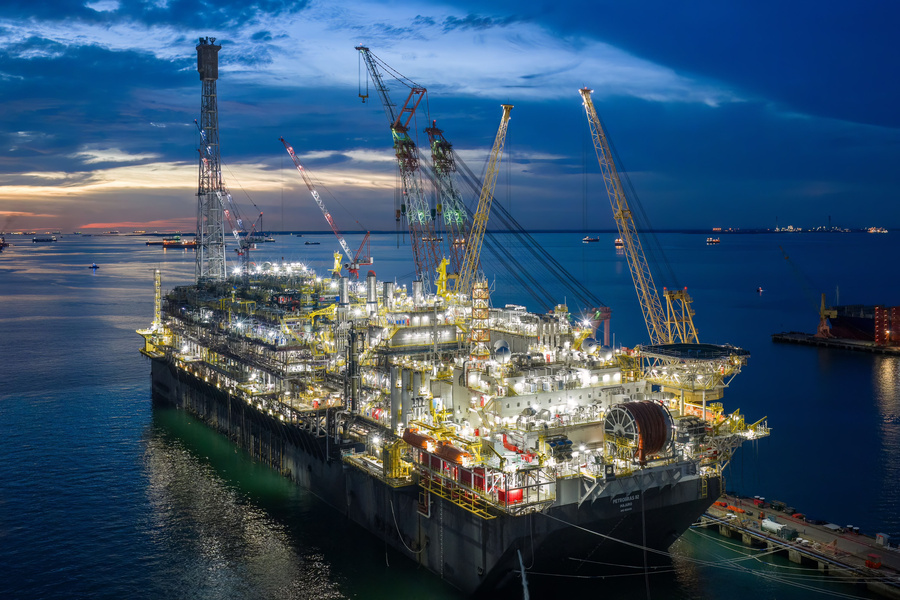
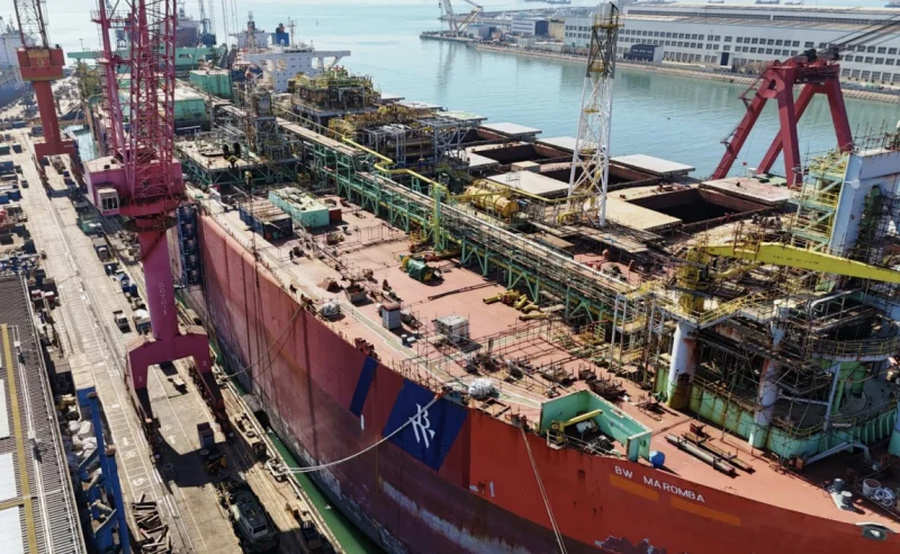
Brazil’s crude output has jumped in 2025 as new FPSOs have started up on deepwater projects. National production moved above 4.0 MMbpd for the first time in October, helped by the October start of Equinor’s Bacalhau field and capacity that was added earlier in the year. The EIA expects Brazilian crude production to average about 4.0 MMbpd in 2026, supported by two further FPSOs scheduled to come online at Petrobras’ Buzios field.
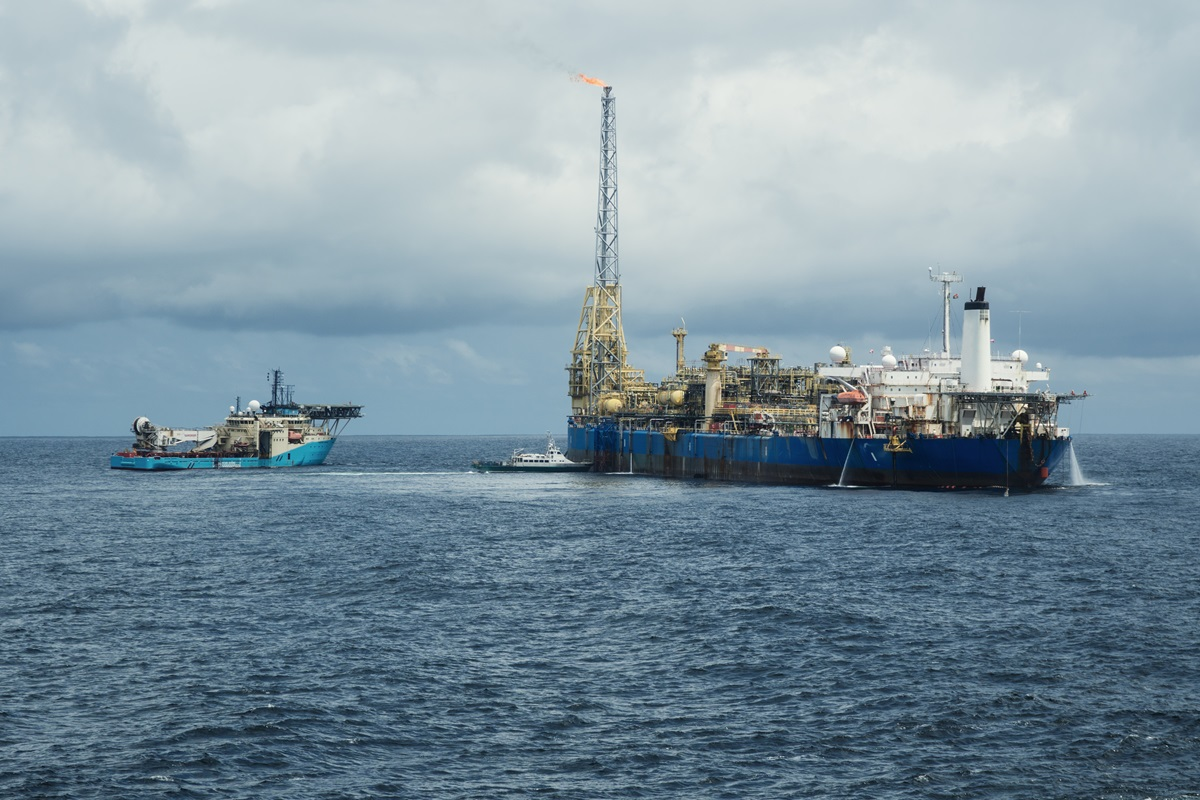
Guyana remains one of the fastest-growing oil producers globally, with supply having expanded to nearly ten times its 2020 level. Output in 2025 is estimated to have averaged about 750,000 bpd, driven by developments in the Stabroek Block operated by ExxonMobil with partners Hess and CNOOC. The EIA notes that ExxonMobil’s Yellowtail project reached full capacity in late 2025, pushing national production above 900,000 bpd in November. Start-up of the Uaru project in 2026 is expected to add a further 250,000 bpd and support Guyana in lifting output beyond 1.0 MMbpd by 2027.
In Argentina, higher crude volumes are being led by the Vaca Muerta shale play, described as one of the few unconventional oil basins outside the United States producing at scale. Argentine production is forecast to increase from about 740,000 bpd in 2025 to roughly 810,000 bpd in 2026, with Vaca Muerta providing more than 60% of national output.
According to the EIA, combined growth from Brazil, Guyana and Argentina will continue to play a central role in global supply balances as non-OPEC production expands into 2026.