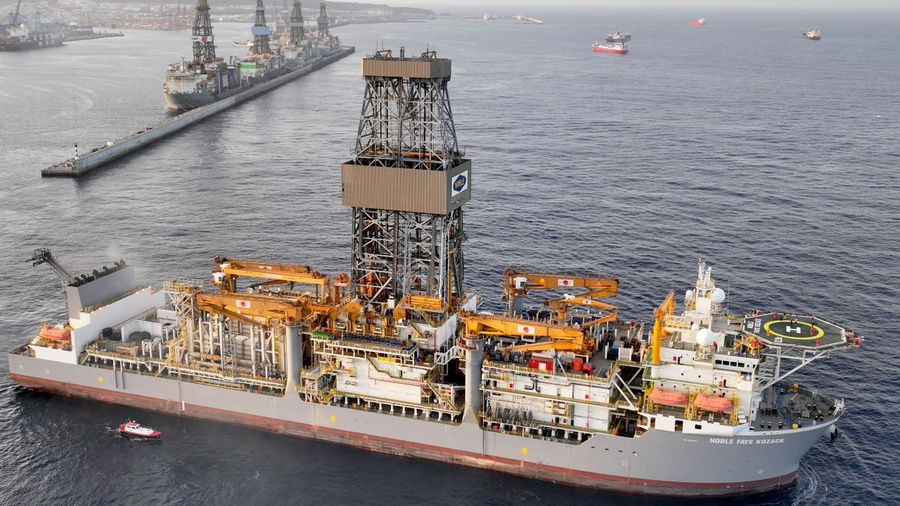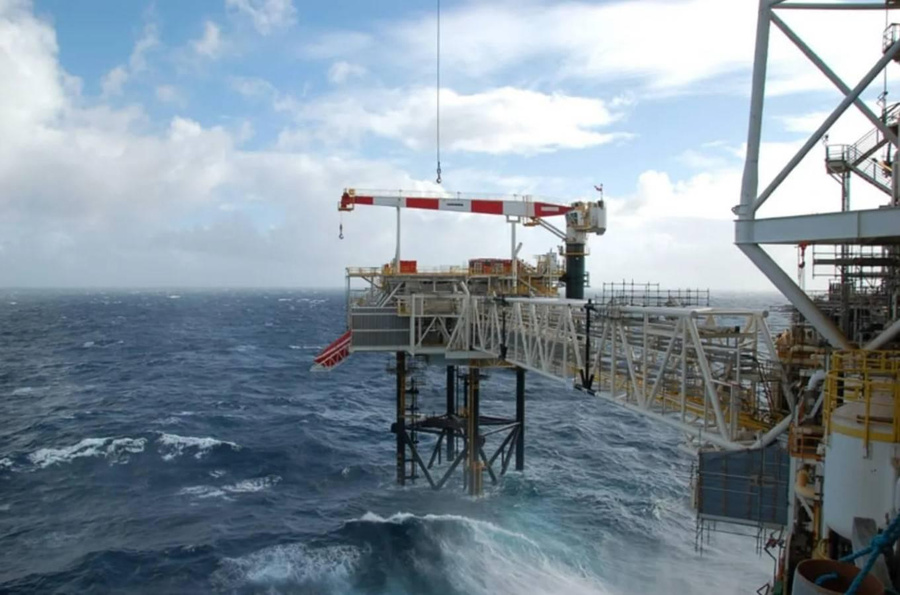
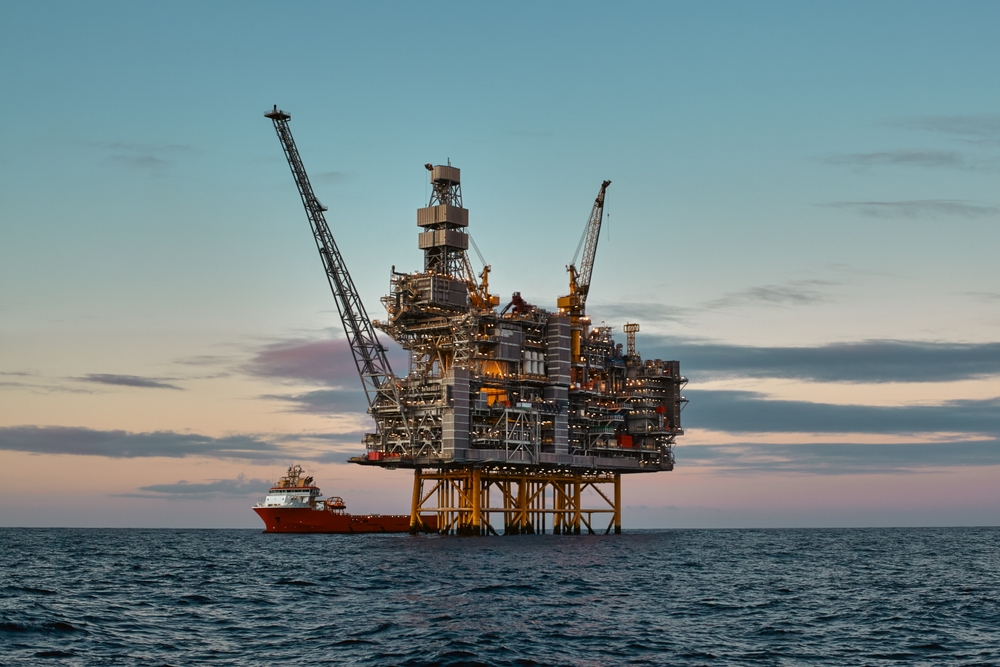
The U.S. Department of the Interior on 7 November announced an offshore leasing plan under President Donald Trump’s One Big Beautiful Bill Act, launching the first oil and gas lease sale in the Gulf of America and proposing another in Alaska’s Cook Inlet.
The announcement begins a schedule of 30 lease sales in the Gulf and six in Alaska, according to the Bureau of Ocean Energy Management (BOEM). The measures form part of the administration’s effort to strengthen domestic energy production and reduce dependence on foreign sources.
BOEM Acting Director Matt Giacona said that the president’s signing of the One Big Beautiful Bill Act “marked the beginning of a new chapter for oil and gas development in the Gulf of America and Alaska’s Cook Inlet.” He added that BOEM is now implementing a congressionally mandated leasing plan designed to support offshore resource development “for decades to come.”
80 Million Acres in the Gulf of America
The first sale, officially named Big Beautiful Gulf 1, will make about 80 million acres available for leasing across the Gulf of America. The total Gulf region covers roughly 160 million acres, with an estimated 29.6 billion barrels of undiscovered, technically recoverable oil and 54.8 trillion cubic feet of natural gas.
According to the Interior Department, the sale supports the goals of the president’s executive order Unleashing American Energy, which calls for expanding domestic production and reducing reliance on imports.
BOEM set a 12.5% royalty rate—the lowest allowed by law—for both shallow- and deep-water tracts to attract interest from operators. Environmentally sensitive areas, including the Flower Garden Banks National Marine Sanctuary and regions beyond the U.S. Exclusive Economic Zone, will remain closed to leasing.
Alaska’s Cook Inlet Sale Proposed
At the same time, BOEM issued a proposed notice of sale for Big Beautiful Cook Inlet 1, which would open about 1 million acres in Alaska’s Cook Inlet to leasing. It is the first of six sales required by the One Big Beautiful Bill, scheduled annually from 2026 to 2028 and again from 2030 to 2032.
The proposed Cook Inlet sale follows the same structure as the Gulf plan, including the 12.5% royalty rate. The Interior Department stated that proceeds from lease sales, rentals, and royalties will primarily go to the U.S. Treasury’s General Fund, while a portion will be shared with Gulf Coast states to support coastal restoration and hurricane protection.
Energy Policy During Shutdown
The announcements came during an ongoing federal government shutdown, which began on 1 October. The Interior Department continues to process oil and gas permits during the shutdown, classifying them as essential to national energy security, while most renewable energy programs have been paused.
During his first term, President Trump also maintained oil and gas permitting during the 34-day shutdown of 2018–2019. By contrast, the Obama administration halted drilling permits and canceled at least one lease sale during the 2013 shutdown.
Environmental organizations criticized the decision to prioritize fossil fuel permitting, saying it favors oil and gas interests.
Energy Secretary Chris Wright attributed the shutdown to Democratic opposition to a Republican short-term funding proposal. In a social media post, he stated that his department remains focused on providing “affordable, reliable, and secure energy” for Americans.