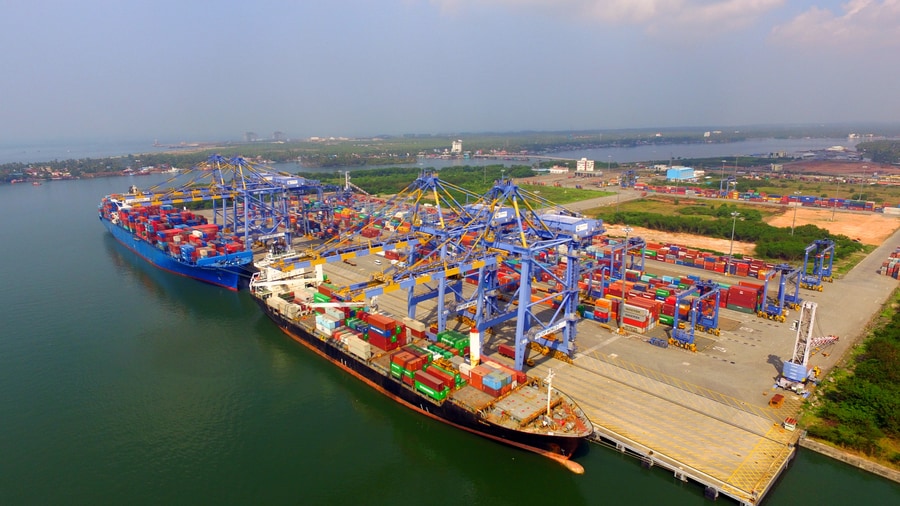

India has officially launched its first national container carrier, Bharat Container Shipping Line (BCL), marking what Prime Minister Narendra Modi called a “new era of maritime confidence.” The launch, announced during India Maritime Week 2025 in Mumbai (27–31 October), is part of the government’s Maritime India Vision 2047, a long-term plan to strengthen domestic shipping and reduce dependence on foreign carriers.
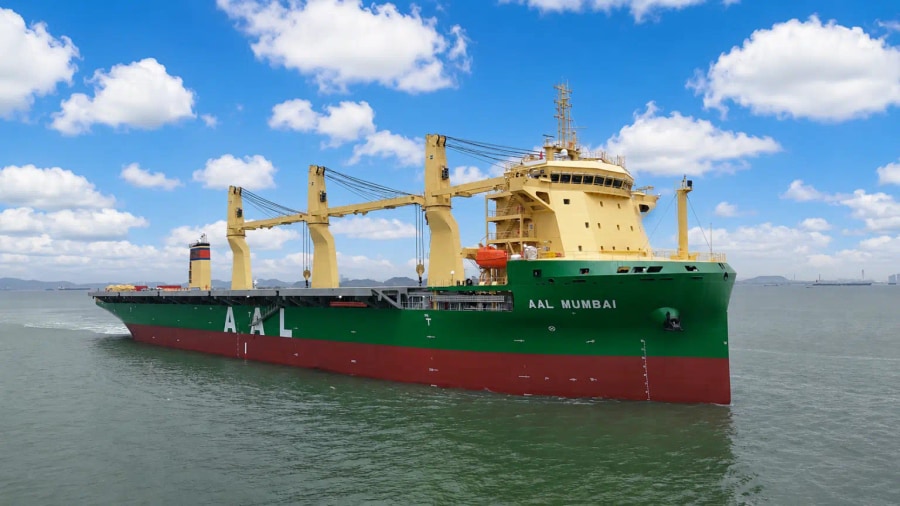
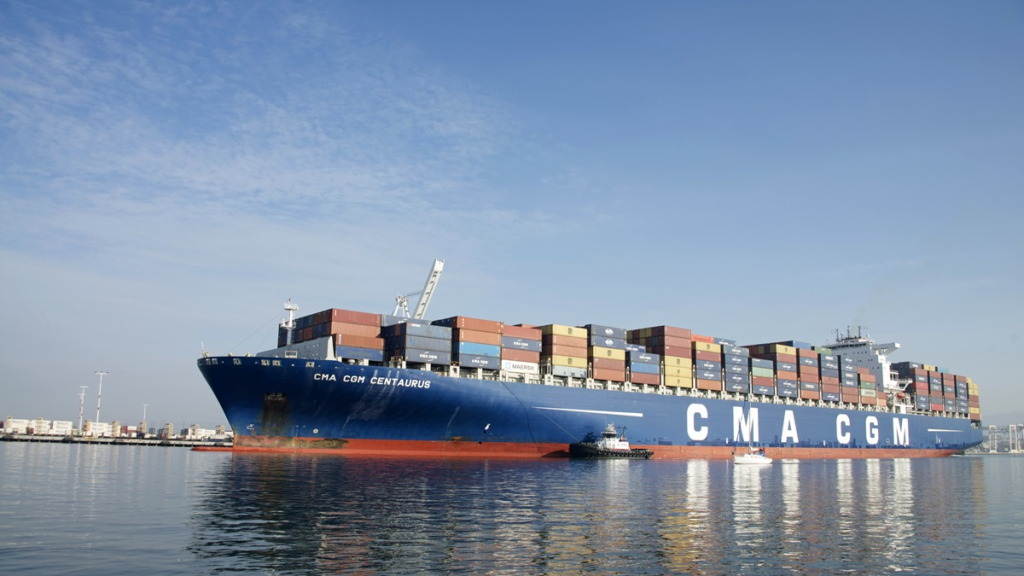
BCL begins operations with a fleet of 51 vessels of various sizes and ages, backed by a $6.9 billion investment under the Maritime Development Fund. The company is expected to expand to 100 ships over time. The initiative follows a public–private partnership model designed to integrate ports, shipping, rail, and road infrastructure to cut logistics costs for exporters and importers.
The Shipping Corporation of India (SCI) will oversee vessel operations and chartering, while the Container Corporation of India (CONCOR) will provide inland logistics and rail connectivity. Both firms are listed on the National Stock Exchange and the Bombay Stock Exchange. Initial services will cover Asia, West Asia, and the Red Sea, before expanding to Europe and the US.
During the Global Maritime CEO Forum, Modi said the launch of BCL was central to building maritime self-sufficiency in India’s economy. He confirmed vessel orders worth $26 billion for 437 ships, including 60 oil and gas carriers valued at $5.7 billion, 100 eco-friendly tugs under the Green Tug Programme, and 11 dredgers for the Dredging Corporation of India.
Industry reactions have been positive, though concerns remain about the lack of long-term private-sector loans for ship and port financing. Freight forwarder DahNay said: “The introduction of a domestic container line aims to enhance trade security, stabilize freight costs, and ensure more predictable access to vessel capacity for Indian exporters.”
SCI plans to expand its fleet to 216 vessels by 2047, aligning with India’s long-term maritime goals, while CONCOR continues to develop its logistics network and intermodal transport services.
The establishment of Bharat Container Shipping Line is viewed as a cornerstone of India’s logistics modernisation strategy, aiming to boost national shipping capacity and capture a larger share of containerised trade currently dominated by foreign lines.