The European Investment Bank (EIB) has signed a €500 million green loan with Iberdrola to finance the 315 MW Windanker offshore wind farm in the German Baltic Sea. The funding is guaranteed by Cesce, Spain’s export credit agency, marking the first use of a new guarantee framework jointly developed by EIB and Cesce to support green projects led by Spanish companies abroad.
Located in Mecklenburg-Vorpommern, the project is Iberdrola’s third major offshore wind development in the German Baltic region and forms part of its Baltic Hub strategy. Once operational, Windanker will provide renewable electricity to about 600,000 people annually, according to Iberdrola’s estimates, supporting Europe’s clean energy transition and energy security objectives.
The project contributes to the EIB Group’s TechEU programme, which aims to mobilise €250 billion in investments by 2027 for innovation across Europe, including cleantech initiatives that promote sustainable technologies.
José Sainz Armada, Iberdrola’s Chief Finance, Control and Corporate Development Officer, said the financing strengthens the company’s financial structure, diversifies its funding sources, and reflects the confidence of EIB and Cesce, enabling continued promotion of projects such as Windanker in line with Iberdrola’s transformation plan.
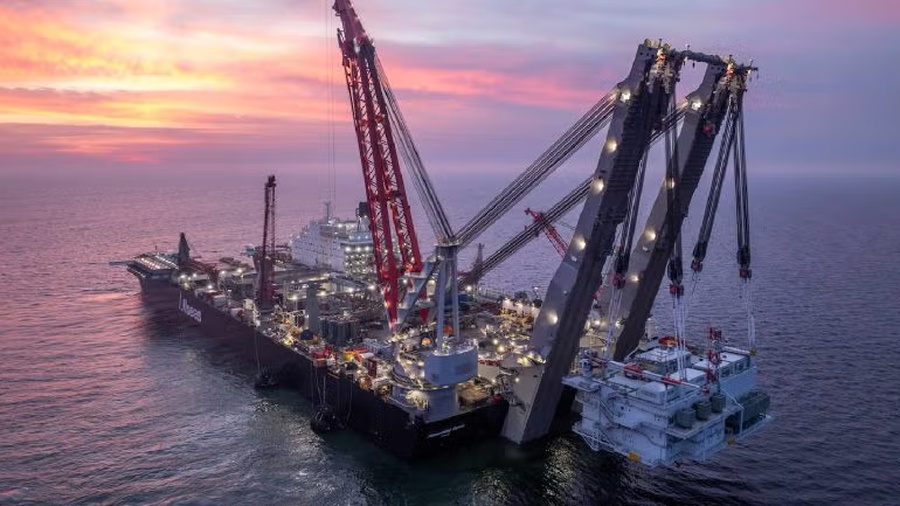
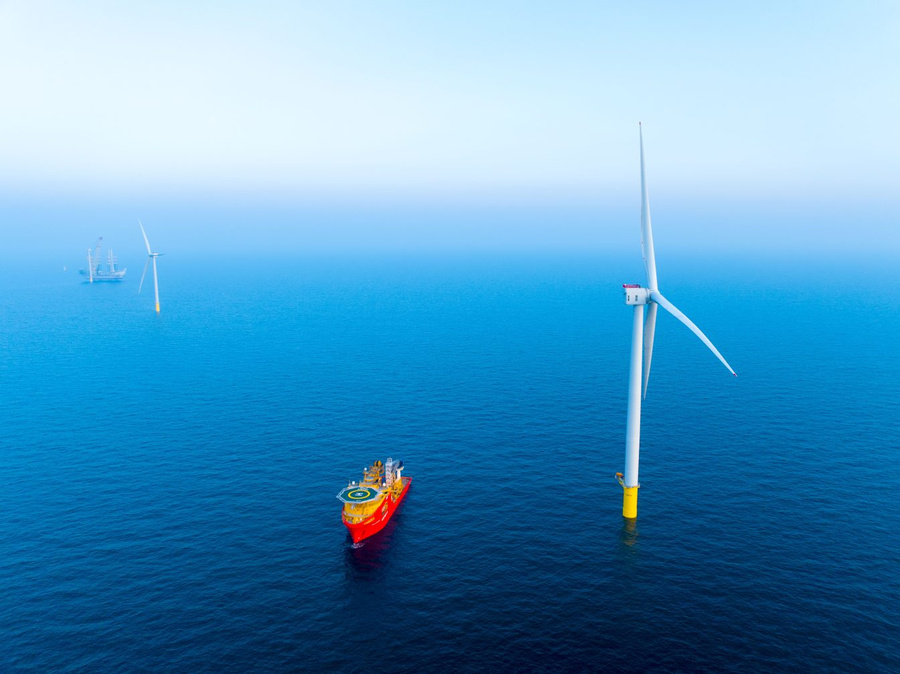
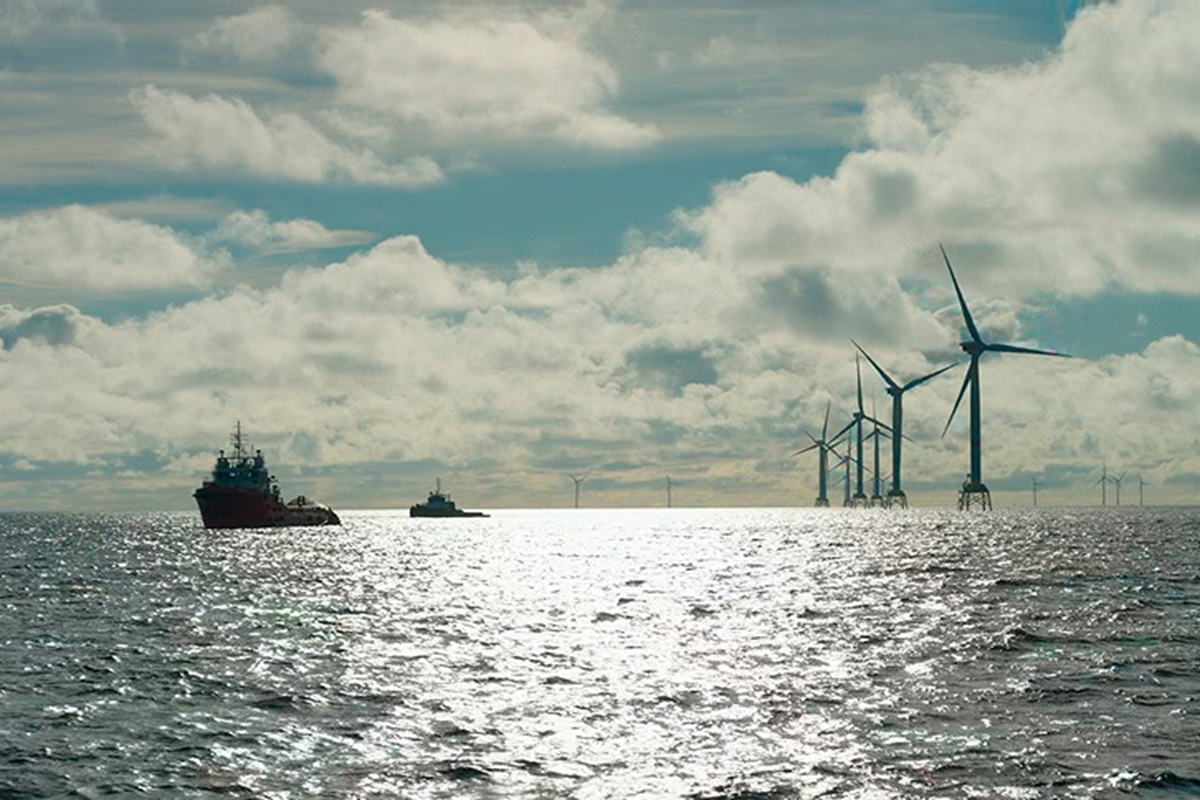
Construction began in October 2025 with the installation of the first monopile by Van Oord’s heavy-lift vessel Svanen. The offshore site lies 38 km northeast of Rügen in Germany’s exclusive economic zone of the Baltic Sea. The farm will feature 21 Siemens Gamesa SG 14-236 DD turbines, each with a capacity of up to 15 MW. Turbine installation is planned for 2026, and full commissioning is expected in the fourth quarter of 2026.
The project will create around 2,200 person-years of employment during construction and maintain approximately 160 permanent jobs once operational. Most roles will focus on technical and green skills, supporting local expertise and regional economic growth.
Windanker supports Germany’s National Energy and Climate Plan and the EU’s REPowerEU strategy by helping reduce carbon emissions by an estimated 672,000 tons of CO2 annually and advancing the goal of achieving an 80% renewable electricity share by 2030.