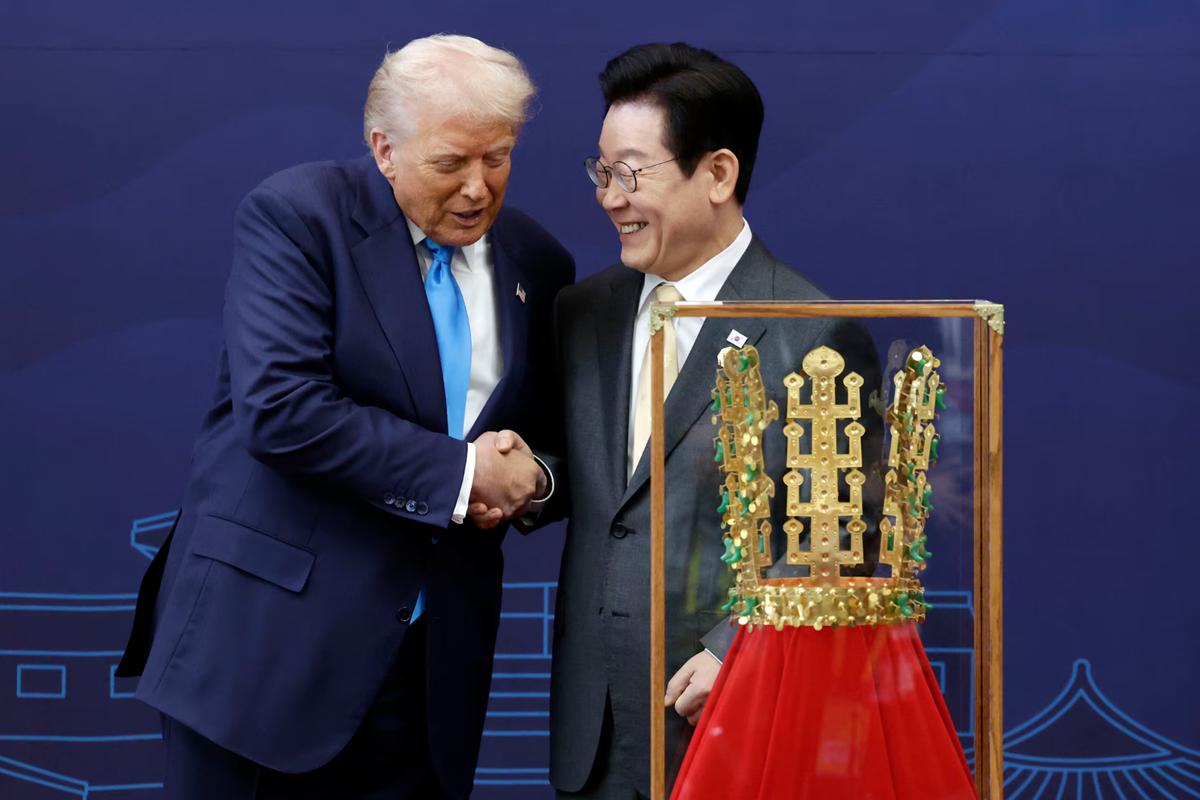
October 30, 2025, Seoul – U.S. President Donald Trump has announced that South Korea has been granted approval to construct a nuclear-powered submarine at a shipyard in Philadelphia. This decision follows discussions between Trump and South Korean President Lee Jae Myung during their October 29 summit, held as part of the Asia-Pacific Economic Cooperation (APEC) meetings. Trump shared the news on his Truth Social account, stating that South Korea will replace its diesel-powered submarines with more agile, advanced nuclear-powered submarines.
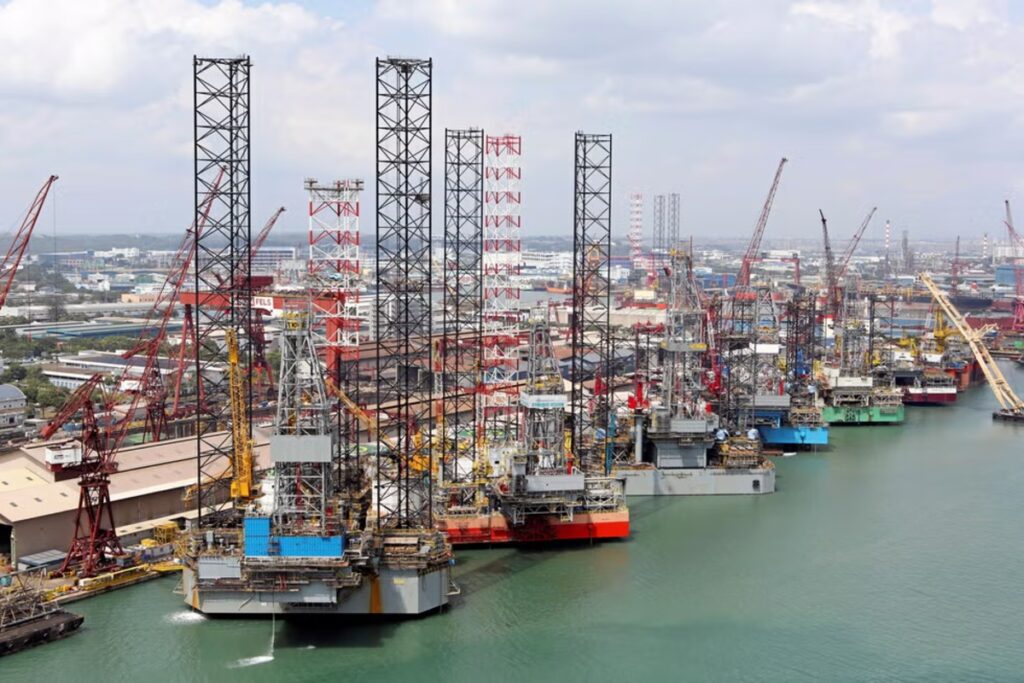
The Philadelphia shipyard, now owned by South Korea’s Hanwha Group, has become a symbol of growing cooperation between the two countries in shipbuilding. Trump remarked that “shipbuilding in our country will soon make a big comeback,” underscoring the significance of this partnership in strengthening U.S.-South Korea relations. However, the decision faces significant technical challenges, as Hanwha Philly Shipyard, a commercial shipbuilder, has never constructed a submarine, let alone a nuclear-powered one. Since its inception in 2003, the shipyard has delivered 30 commercial vessels, including container vessels, product tankers, and repair vessels, but has not delivered any military-grade submarines.
Trump emphasized that the approval for South Korea’s nuclear submarine construction was granted due to the strong U.S.-South Korea military alliance. However, there are several hurdles, such as the need for South Korea to secure enriched uranium for the nuclear-powered submarine. Currently, under the U.S.-South Korea nuclear energy pact, South Korea is allowed to enrich uranium to a level below 20%. Still, it requires U.S. consent to obtain uranium fuel suitable for powering a submarine.
Despite these challenges, Trump believes this move will significantly enhance South Korea’s military capabilities, as diesel-powered submarines are limited in underwater endurance and stealth compared to nuclear-powered submarines. South Korea had expressed concerns that its current fleet of diesel-powered submarines restricts its ability to track North Korean or Chinese submarines effectively.
Trump also announced on his social media account that South Korea has agreed to pay $350 billion in exchange for a tariff reduction, and to purchase U.S. oil and gas “in vast quantities,” adding that investments from South Korean companies will exceed $600 billion.
In addition to the focus on nuclear submarine construction, the U.S. and South Korea are working together to revitalize the U.S. shipbuilding industry. Trump has emphasized the importance of this effort, highlighting that the deal will benefit both American workers and the economies of both nations, while strengthening their shared security.