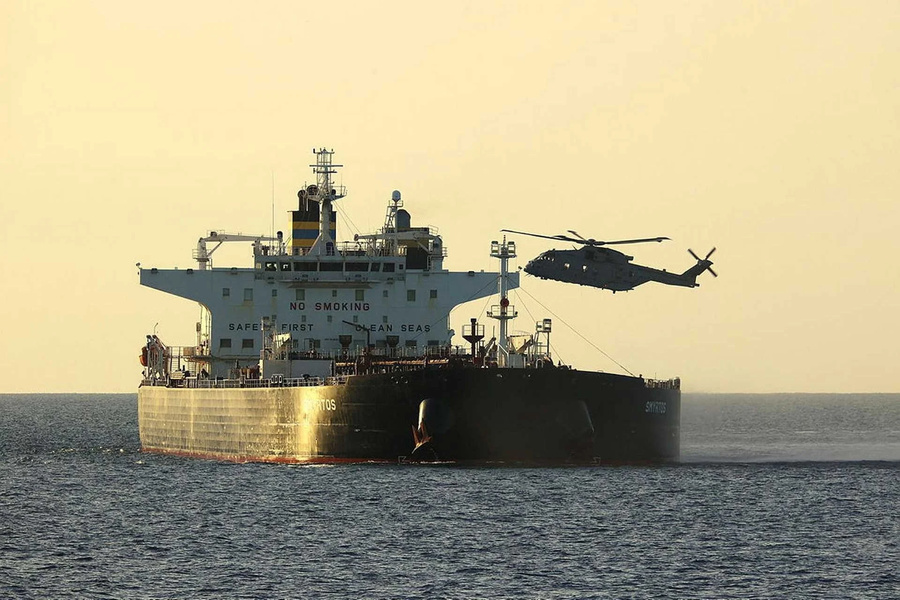
The National Iranian Tanker Company (NITC) fleet has reverted to its standard “dark” operations after an unusual three-day period in which dozens of its vessels briefly transmitted Automatic Identification System (AIS) data — a rare moment of transparency for Iran’s shadow shipping network.
Between 12 and 14 October 2025, approximately 52 of 88 Iran-flagged tankers were observed broadcasting AIS signals. Maritime analytics platforms recorded vessel positions ranging from Kharg Island in the Persian Gulf to the Singapore Strait and Malaysia’s Exclusive Economic Zone (EEZ) — an area frequently associated with ship-to-ship (STS) oil transfers.
By 17 October, nearly all Iranian tankers had once again switched off their AIS transponders, with only a single vessel remaining visible. The reason for this short-lived period of visibility remains unclear. Analysts suggest it could have been a technical adjustment, a deliberate policy test, or an operational response to recent sanctions developments.
Experts note that Iran’s return to dark operations underscores how sanctions-evasion tactics remain central to its maritime export strategy. Turning off AIS makes it far more difficult for regulators and intelligence agencies to trace crude oil shipments, assess trade flows, and enforce embargoes.
The episode highlights the continuing challenge faced by the maritime community in monitoring “shadow fleets” — tankers operating under opaque ownership, often transferring oil mid-sea to conceal origin and destination. Despite advances in satellite tracking, such covert operations continue to undermine global shipping transparency.