The White House has issued a 34-page Maritime Action Plan aimed at strengthening the U.S. merchant fleet and expanding domestic shipbuilding and repair capacity. The document follows an executive order signed by the U.S. President in April 2025 and is framed as a response to what the plan describes as an “insufficient strategic focus on the maritime domain.”
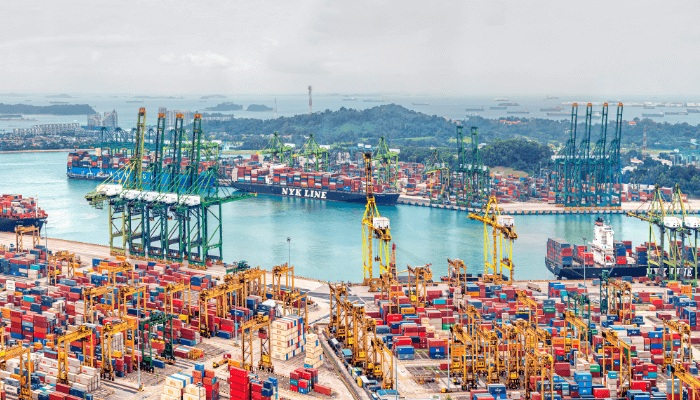
A central element is a proposed funding approach that would place a uniform fee on foreign-built vessels calling at U.S. ports. The plan says a charge based on tonnage could generate large sums over a decade, with illustrations ranging from $66 billion over 10 years at $0.01 per tonne to nearly $1.5 trillion over 10 years at $0.25 per tonne. The plan states the proceeds would flow into a newly created Maintenance Trust Fund intended to support long-term investment in shipbuilding capacity, fleet growth, and workforce development. It also assigns the Office of Management and Budget, working with the Department of Transportation, to submit legislative proposals for a dependable funding mechanism to implement the plan’s initiatives.
Beyond port fees, the plan proposes a land port maintenance tax to address what it calls infrastructure funding gaps at land ports. The suggested level is a “moderate” charge equal to 0.125% of the value of goods entering the U.S. through land ports, described as comparable to the existing port maintenance tax. The plan argues that current incentives can encourage moving imported cargo to nearby ports for transshipment into the United States. Up to 10% of the funds raised would be directed into a Land Port Maintenance Trust Fund.
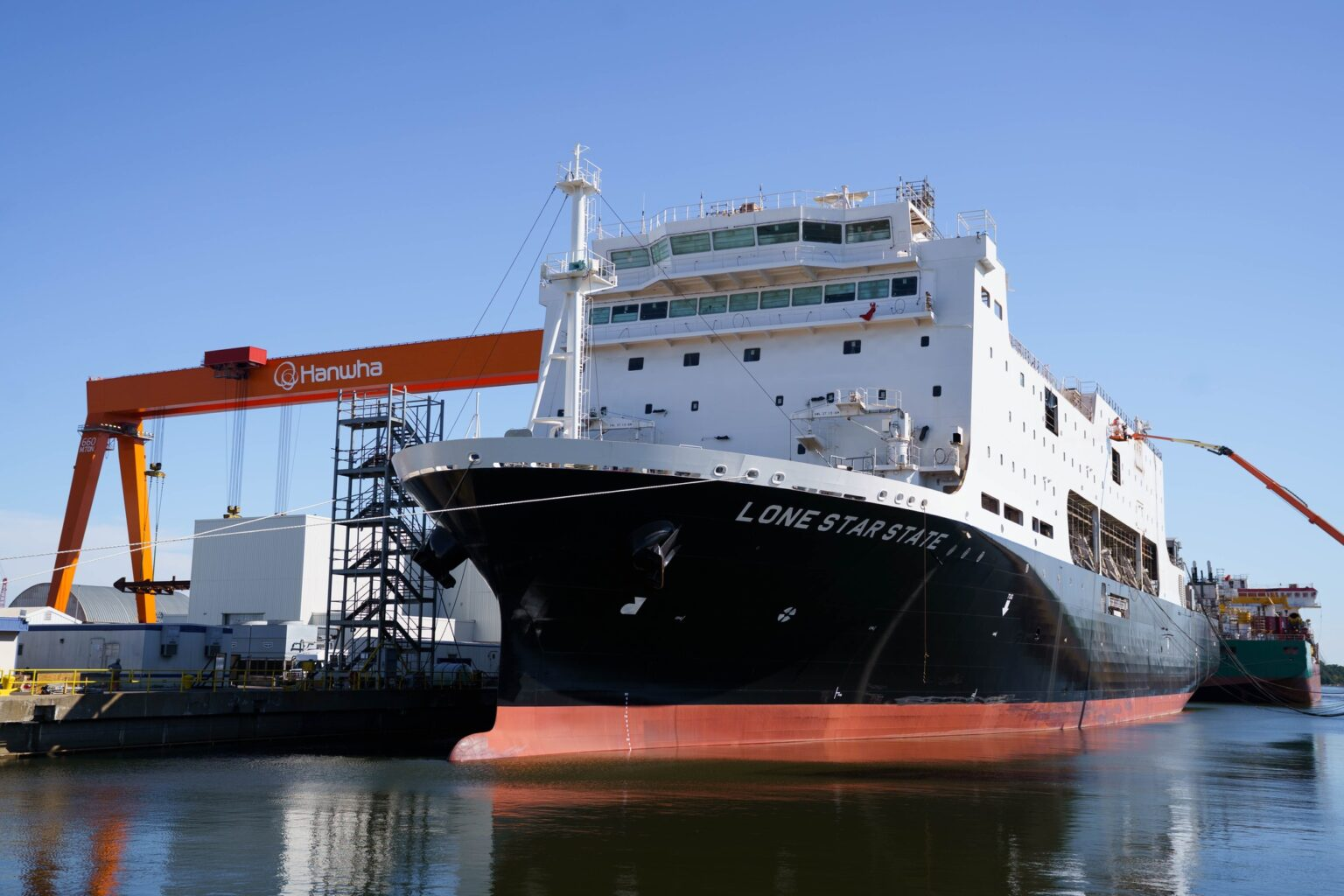
On policy and market measures, the plan calls for a U.S. maritime priority policy and broader cargo priority transportation requirements. As a transitional step, it encourages foreign-built vessels to reflag under the U.S. flag to bolster international trade and transportation capacity. The plan also promotes the concept of “Maritime Prosperity Zones” to stimulate investment, alongside incentive packages that include shipyard support, tax relief, and loan programs. It further advocates forming a U.S. strategic merchant fleet and using international partnerships to reduce reliance on suppliers the plan characterizes as unreliable.
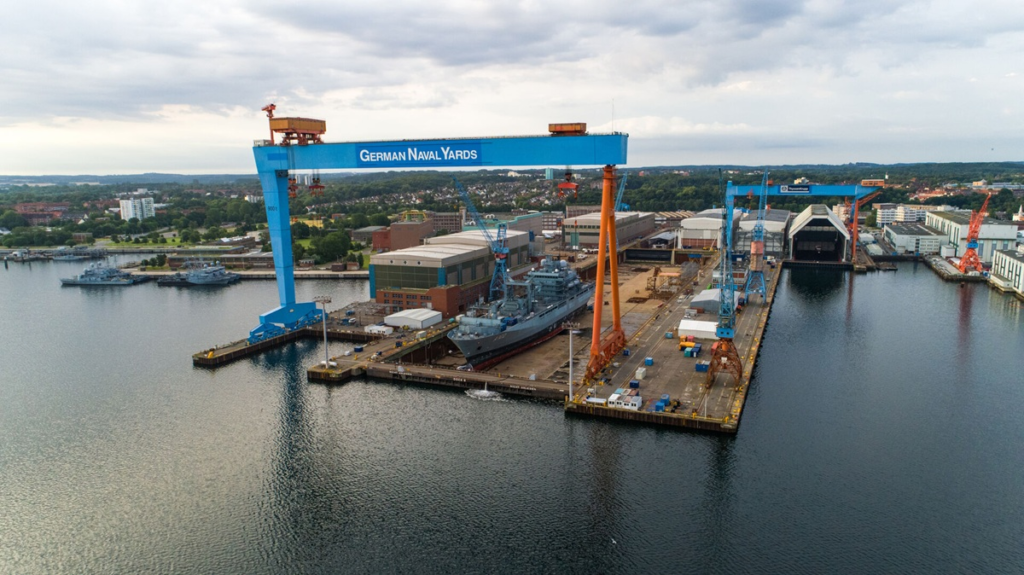
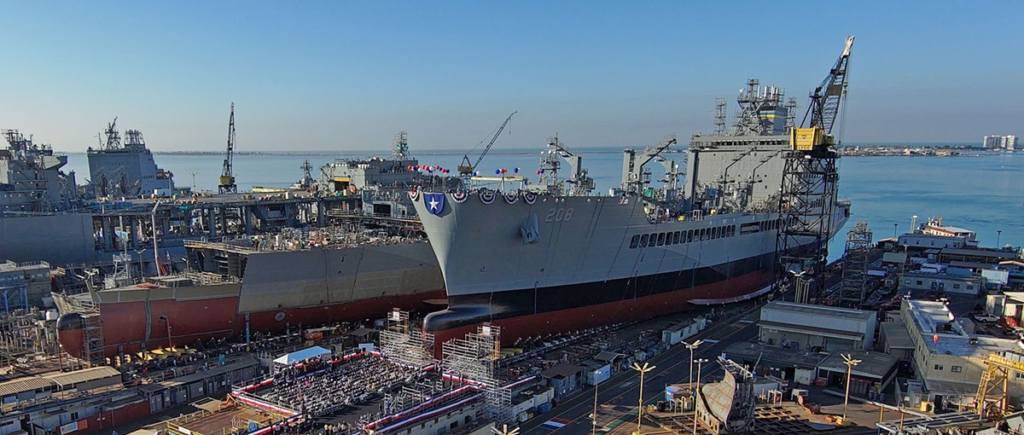
The plan links these actions to an assessment that the U.S.-flag fleet is shrinking and that shipbuilding and repair capacity is not sufficient. It cites an inventory of 66 shipyards, stating that 8 are active, 11 have shipbuilding slipways, 22 focus on dry dock repair, and 25 conduct superstructure repair. In its introduction, the plan says the U.S. cannot currently scale domestic shipbuilding to meet national priorities and warns that this creates security and supply chain dependency concerns.
While emphasizing investment, the plan also argues that funding alone will not deliver the outcome it seeks. It calls for faster build cycles and lower costs through modernization of government procurement processes and streamlined regulation, alongside workforce expansion through education and training, and measures intended to protect the maritime industrial base.