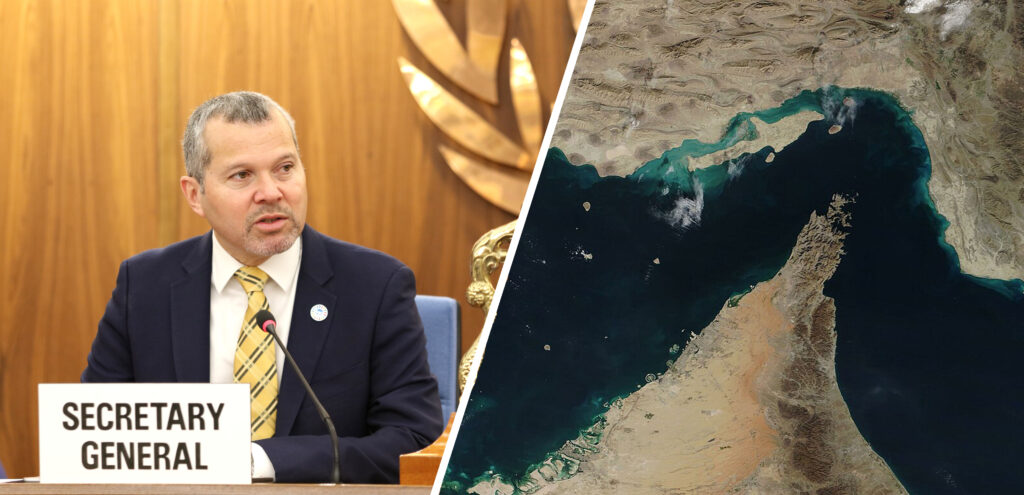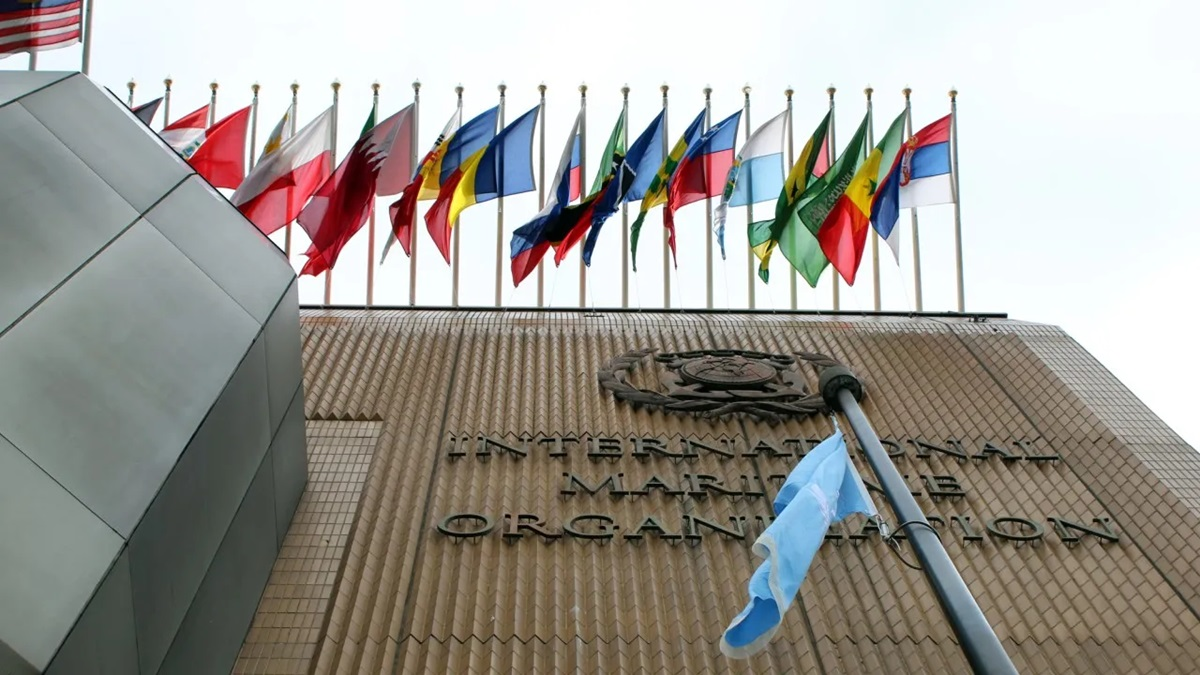
Russia has missed out on returning to the International Maritime Organization (IMO) Council after receiving 47 votes during the 132nd IMO Assembly, held in London on 27–28 November 2025. The total fell short of the 113 votes required for the election.
The result placed Russia 22nd in the Category (c) contest, below Ghana, Kenya, and Oman, and outside the 20 available seats. Its vote count also declined from 51 in 2024, signalling reduced support from IMO member states.
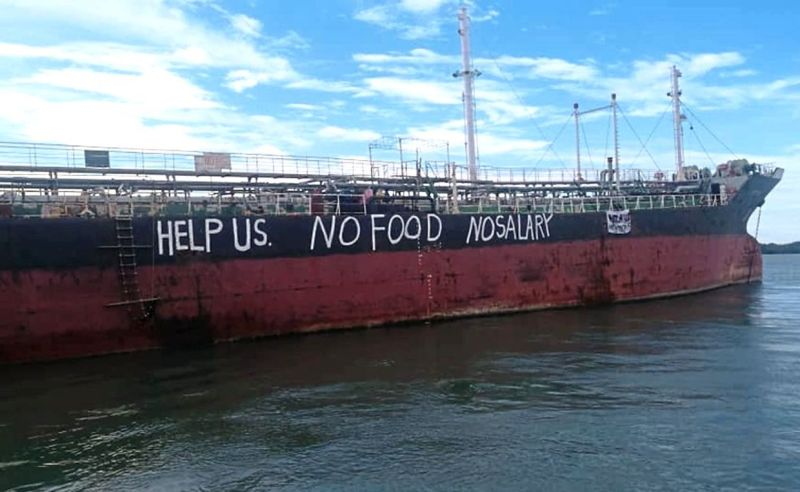
Ahead of the assembly, several delegations — including Ukraine, the United Kingdom, and Norway — had raised concerns about Russia’s continued use of “shadow fleet” tankers to bypass the G7 oil price cap and the country’s repeated interruptions of Black Sea grain corridor operations. These issues framed much of the discussion around Russia’s candidacy.
Although Russia will continue to join technical work as an observer, the absence of a Council seat means it will not participate in voting on upcoming measures. These include regulations linked to the revised 2025 IMO GHG Strategy, which aims for net-zero emissions “by or around 2050,” as well as updates to SOLAS and MARPOL covering cyber-risk management and autonomous vessel operations.
Industry groups responded to the stability of the newly elected Council. BIMCO stated that a dependable regulatory body supports progress on decarbonisation and safety. Reporting from Lloyd’s List and Reuters Maritime noted that Russia’s lower vote share reflects continued pressure over its maritime practices.
Looking ahead, Russia may seek engagement through regional or bilateral channels, but its prospects for regaining a Council seat will likely depend on measurable changes in its commercial and naval behaviour, particularly in relation to sanctions compliance and the safe operation of vessels in conflict-affected waters.