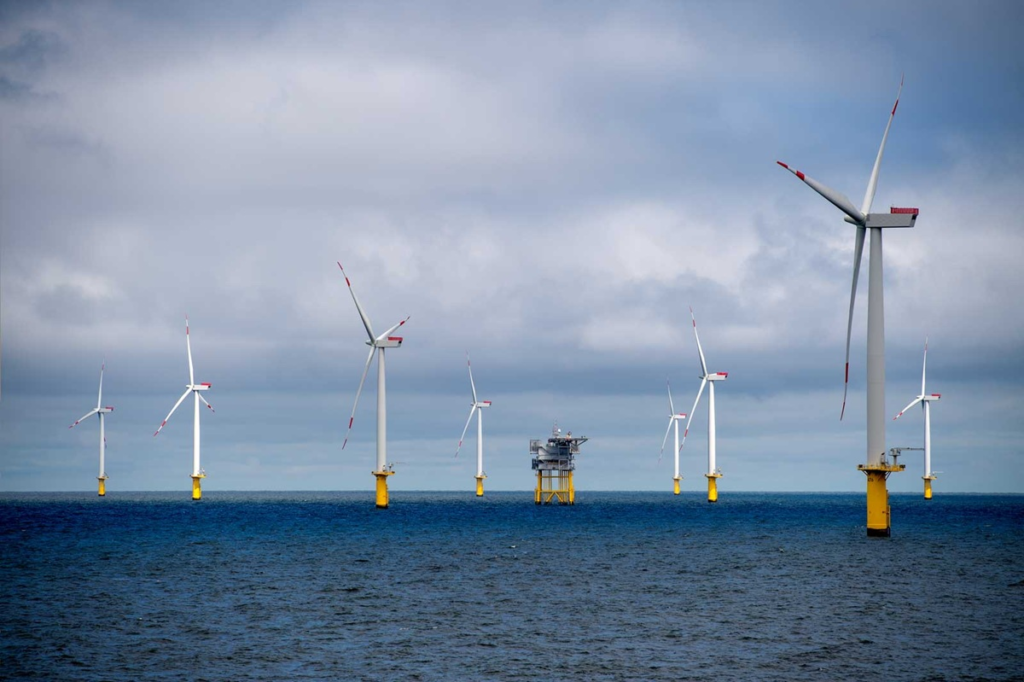
The Netherlands Enterprise Agency (RVO) confirmed that no companies have submitted applications to build and operate a new offshore wind farm at the Nederwiek I-A site in the North Sea. The absence of bids reflects growing cost pressures and a slowdown in electricity demand, straining the nation’s offshore wind development plans.
According to the Ministry of Climate Policy and Green Growth (KGG), this outcome had been anticipated. The ministry plans to hold a new tender round in 2026, incorporating measures from the Offshore Wind Energy Action Plan to support future projects.
Offshore wind energy has experienced substantial growth in recent years, with developers operating subsidy-free since 2018, driven by technological advances and larger-scale projects. However, rising construction expenses and delayed industrial decarbonization have made long-term electricity contracts harder to secure. This has led to greater financial risk and reduced investment interest among developers.
Similar challenges have appeared across Europe. Countries such as Germany, Denmark, the United Kingdom, and Belgium have seen limited participation in recent offshore wind tenders, forcing some to postpone permit rounds. In the case of Nederwiek I-A, tender rules were already adjusted to align with current market conditions, yet investor appetite remained weak.
In response, the government is implementing new financial mechanisms to prevent stagnation in offshore wind development. The Offshore Wind Energy Action Plan, presented by the Minister of Climate Policy and Green Growth on 16 September 2025, includes fiscal measures to encourage project construction and stimulate demand for renewable power.
For 2026, the government intends to issue permits for 2 gigawatts (GW) of new offshore capacity through a subsidy-based tender. A total of €948 million from the Climate Fund has been earmarked for this initiative. By January 2026, the ministry will identify eligible sites, tender schedules, and maximum subsidy levels.
In addition, a new financial support model is being developed. Under this system, the government would guarantee a minimum electricity price through direct contracts with developers. If market prices fall below the agreed level, the state compensates the difference; if prices rise, excess profits return to the government.
These efforts aim to maintain progress toward national energy independence and industrial competitiveness while ensuring continued reductions in CO₂ emissions through offshore wind power.